




Key Takeaways:
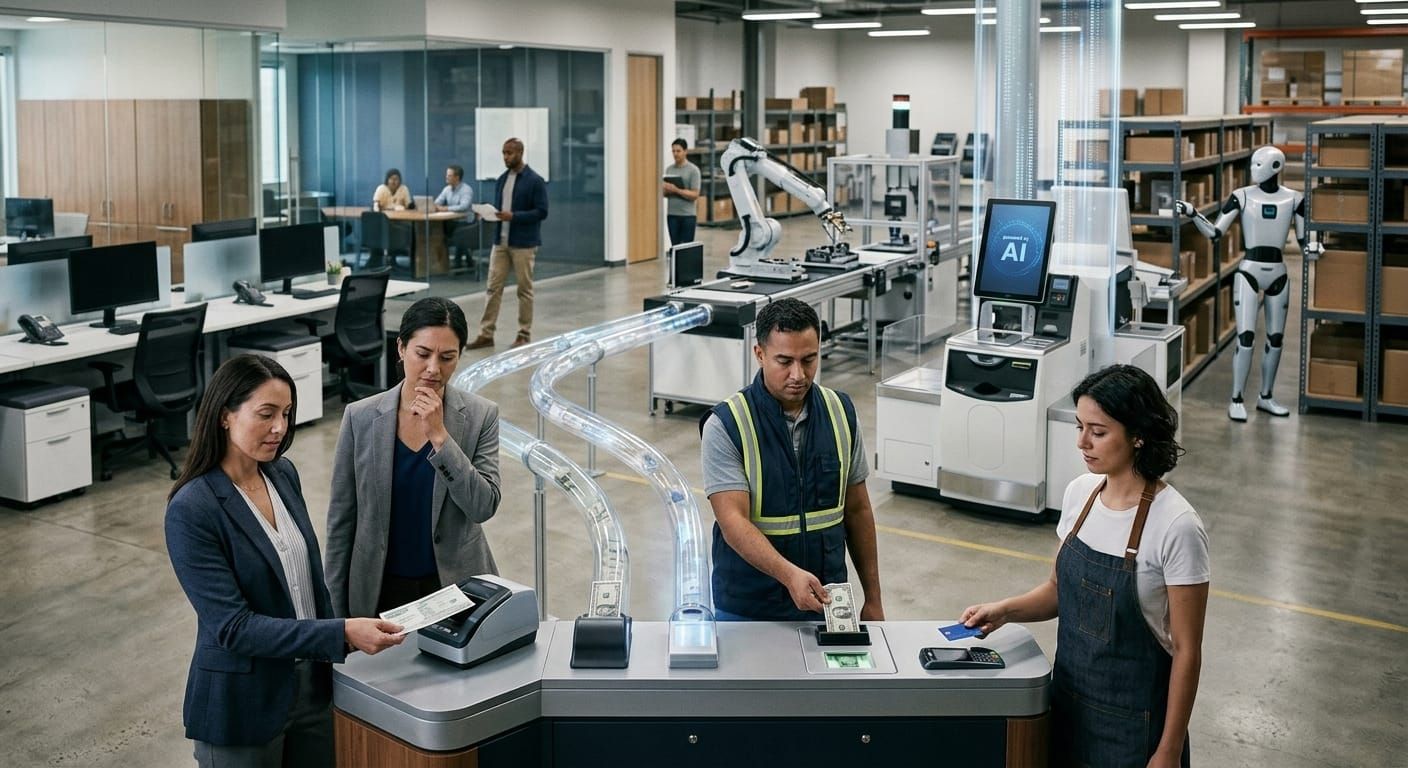
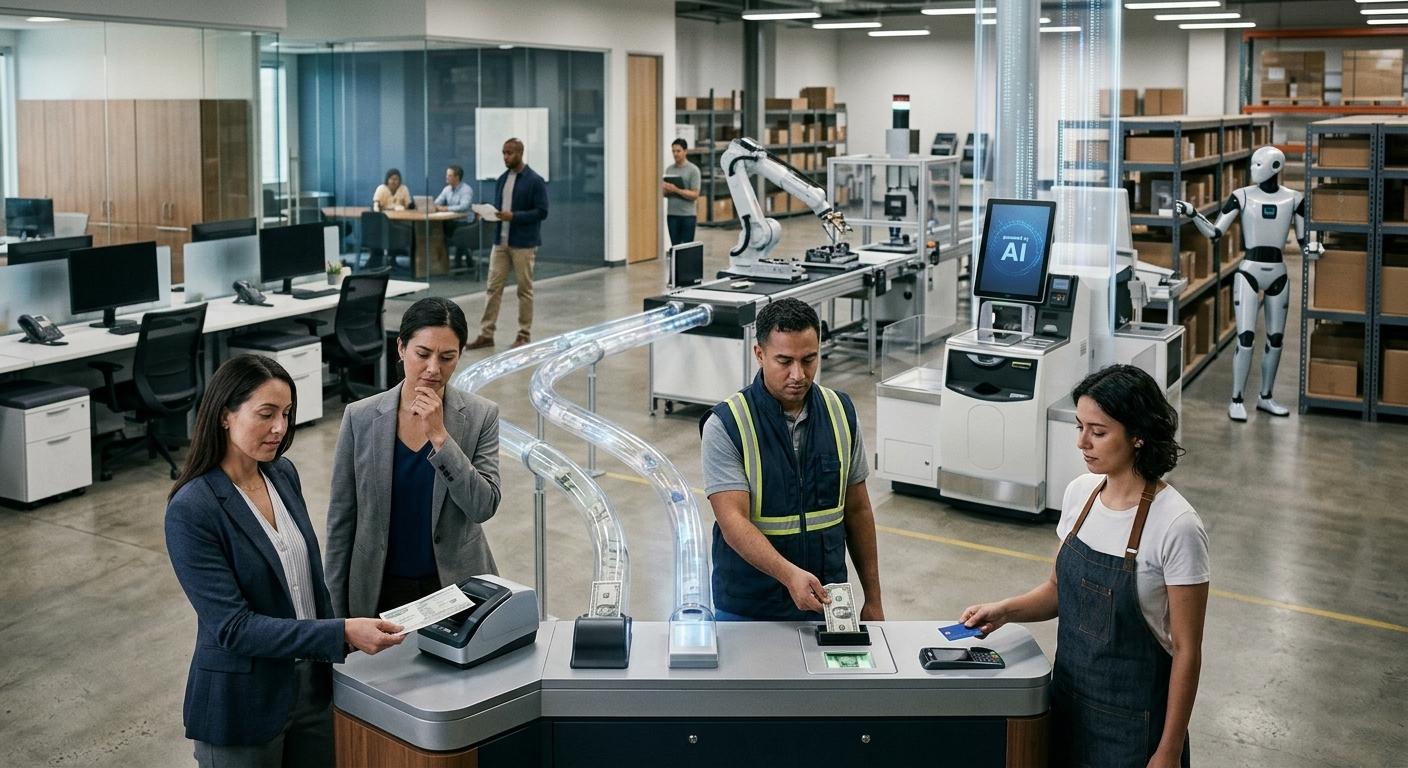
- The rise of AI systems is reshaping industries, leading to a fundamental question: Are we funding our own replacements?
- While AI can automate repetitive tasks, it also creates opportunities for new jobs that require human intelligence and critical thinking.
- The balance between innovation and ethics is crucial as we navigate the future of work in an AI-driven world.
The AI Revolution: A Double-Edged Sword
In the grand circus of technology, artificial intelligence (AI) has taken center stage, dazzling audiences with its tricks and feats. But as we sit in awe, munching on popcorn, we must ask ourselves: are we funding our own replacements? The answer is a resounding yes and no, depending on how you look at it. On one hand, AI systems are designed to take over repetitive tasks, freeing humans to focus on more strategic thinking and creative endeavors. On the other hand, this very progress raises eyebrows and questions about job security.
Take Silicon Valley, for instance. It’s like a high-stakes poker game where each company is placing a significant bet on AI startups. The intent? To create systems that can outperform human intelligence in specific tasks. Recently, a major deal in the AI industry saw leading investors pour billions into a single AI startup, underscoring the scale and importance of these investments. From the very beginning of AI development, it is crucial to embed ethics and community control to ensure technology serves society responsibly. But as we push the envelope of innovation, we must also consider the ethical implications of replacing human workers with machines. Are we paving the way for a future where humans are sidelined, or are we simply evolving the workforce?
The Role of AI in Automating Repetitive Tasks
Let’s face it: nobody enjoys doing the same mundane task over and over again. Enter AI, the knight in shining armor, ready to rescue us from the clutches of boredom. AI systems are particularly adept at automating repetitive tasks, which can lead to increased efficiency and productivity. For example, chatbots are now handling customer service inquiries, allowing human employees to tackle more complex issues that require human judgment and expertise. However, today's chatbots are limited—they typically cannot ask clarifying questions, request additional information, or remember previous interactions over time.
However, this automation comes with a catch. While AI can handle the grunt work, it also raises concerns about job displacement. Many jobs that once required human oversight are now being handed over to algorithms. AI tools are also automating routine tasks in legal and financial services, making entry-level positions in these fields particularly vulnerable. This shift also introduces the risk of humans becoming overly dependent on algorithms, potentially leading to a loss of skills and autonomy. This begs the question: are we creating a future where humans are obsolete, or are we simply redefining what it means to work?
The Fundamental Question: Are We Creating Jobs or Replacing Workers?
As we dive deeper into the AI rabbit hole, we encounter a fundamental question: Are we creating jobs or replacing workers? The answer isn’t black and white. While AI can indeed replace certain roles, it also has the potential to create new opportunities that require human skills. For instance, as AI systems become more prevalent, there’s a growing demand for professionals who can manage and train these systems. Additionally, there is a growing demand for management roles that oversee AI-driven workforce restructuring and integration, guiding organizations through technological transitions.
Consider the healthcare industry, where AI is being used to analyze patient data and assist in diagnosis. This doesn’t mean doctors will be replaced; rather, their roles will evolve. They’ll need to work alongside AI, leveraging its capabilities to enhance patient care. Preserving and leveraging human knowledge is crucial in training and controlling AI systems, ensuring that expertise remains at the core of technological advancement. This collaboration between humans and AI could lead to a more efficient healthcare system, ultimately benefiting society as a whole.
The Importance of Human Intelligence and Critical Thinking
In a world increasingly dominated by AI, the importance of human intelligence and critical thinking cannot be overstated. While AI models can process vast amounts of data and identify patterns, they lack the nuanced understanding that comes from human experience. This is where human judgment shines. For instance, in creative fields like marketing or design, the ability to think outside the box and connect with audiences on an emotional level is irreplaceable. Additionally, AI tools can enhance or support human writing capabilities by improving communication, providing frameworks, and serving as aids for learning and professional development.
Moreover, as AI continues to evolve, the demand for skills that machines cannot replicate will only increase. Strategic thinking, emotional intelligence, and creativity are qualities that set humans apart from AI systems. As we move forward, it’s essential to focus on developing these skills to ensure that we remain relevant in an AI-driven world.
The Role of AI Labs in Shaping the Future
AI labs are the breeding grounds for innovation, where researchers are pushing the boundaries of what’s possible. These labs are not just about creating AI systems; they’re also about understanding the implications of AI on society. Researchers are grappling with questions of ethics, bias, and the impact of AI on employment. It is crucial to maintain human control and oversight over AI systems to ensure responsible development and deployment. By addressing these issues, AI labs can help shape a future where technology and humanity coexist harmoniously.
For example, many AI labs are now focusing on multi-agent reinforcement learning, a technique that allows AI systems to learn from their interactions with other agents. This approach not only enhances the capabilities of AI but also opens up new avenues for collaboration between humans and machines. As we explore these possibilities, we must remain vigilant about the ethical considerations that come with such advancements.
Funding Research: The Money Trail
When it comes to AI, money talks. Funding research in AI is crucial for driving innovation and ensuring that we stay ahead of the curve. However, this funding often comes with strings attached. Companies and investors are looking for a return on their investment, which can lead to a focus on short-term gains rather than long-term benefits for society. Direct consumer spending on AI tools, such as subscription services, also funds the development of more advanced models. In addition, record spending by major tech giants on AI infrastructure is forecasted to total approximately $364 billion in 2025. AI-related firms captured over 50% of all global venture capital funding by late 2025. Governments are also using public tax dollars to fund foundational research for robotics and AI development.
This financial pressure can skew the direction of AI research, prioritizing projects that promise quick profits over those that address critical societal issues. The current trend in AI development often prioritizes profit over ethical considerations, leading to systems that extract value from knowledge creators rather than preserving their expertise. It’s essential for researchers and policymakers to strike a balance between innovation and ethics, ensuring that the development of AI systems aligns with the greater good. Ensuring that experts are fairly payed for their knowledge and labor in training AI models is a critical component in fostering ethical and sustainable AI development. Furthermore, the scale at which AI can serve or replace large audiences brings both economic efficiency and challenges for human contribution, as AI models can reach millions with zero marginal cost, potentially diminishing the value of individual expertise.
The Promise of AI: A Double-Edged Sword
AI holds immense promise, but it’s a double-edged sword. On one side, it offers the potential to revolutionize industries, improve efficiency, and create new opportunities. On the other side, it raises concerns about job displacement and ethical implications. As we navigate this complex landscape, it’s crucial to remain aware of the potential pitfalls while embracing the benefits that AI can bring.
For instance, consider the finance industry, where AI is being used to analyze market trends and make investment decisions. While this technology can lead to more informed choices, it also raises questions about accountability and transparency. As we harness the power of AI, we must ensure that we do so responsibly, keeping the best interests of society in mind. Individuals and society should advocate for responsible AI use, ethical considerations, and policies that assist displaced workers.
The Impact of AI on Society: A Balancing Act
As AI continues to permeate various industries, its impact on society is becoming increasingly evident. From healthcare to finance, AI is reshaping the way we work and live. However, this transformation comes with challenges that must be addressed. The key is to strike a balance between embracing innovation and safeguarding the workforce.
For example, as AI systems take over repetitive tasks, there’s a growing need for reskilling and upskilling workers. Companies must invest in training programs that equip employees with the skills needed to thrive in an AI-driven world. By doing so, we can ensure that the workforce remains relevant and capable of adapting to the changing landscape.
Similar Efforts Around the World
While Silicon Valley often grabs the headlines for its bold bets on AI startup humans and cutting-edge ai systems, the movement to create future ai that empowers rather than replaces people is truly a global phenomenon. Across continents, researchers, companies, and communities are coming together to ensure that ai progress is guided by the principles of human intelligence, critical thinking, and social responsibility.
In Europe and Asia, for example, ai labs are pioneering advances in multi-agent reinforcement learning and long-horizon learning. These approaches are not just about building smarter ai models—they’re about designing systems that can collaborate with humans, amplifying human expertise instead of sidelining it. The intent is clear: to develop design systems where humans and ai systems work hand-in-hand, tackling complex challenges that neither could solve alone.
Industries worldwide are already seeing the benefits of these similar efforts. In finance, ai tools are automating repetitive tasks like data entry and fraud detection, freeing up workers to focus on strategic thinking and client relationships. Healthcare is leveraging ai-powered diagnostic assistants to sift through mountains of patient data, allowing doctors to spend more time on patient care and less on paperwork. Even in education, ai is being used to personalize learning experiences, supporting teachers rather than replacing them.
But the conversation doesn’t stop at technology. Around the world, communities are actively debating the ethics of ai, grappling with the fundamental question of how to ensure that ai disruption doesn’t leave millions of workers behind. Concerns about job replacement, income inequality, and access to training are front and center. Many companies and researchers are advocating for policies and programs that protect the workforce, promote upskilling, and ensure that the benefits of ai are shared broadly across society.
The promise of ai is vast, but so are the challenges. The future of ai will be shaped not just by the money and innovation pouring into ai labs, but by our collective ability to prioritize humanity and social responsibility. Whether it’s an ai startup in Silicon Valley or a research consortium in Asia, the aim is the same: to create ai systems that complement and enhance human capabilities, rather than simply replacing workers with automated tasks.
As we look to the future, one thing is certain: the model we choose for ai development—one that values human expertise, ethical intent, and social good—will determine the impact of this technology on our world. By working together across borders and industries, we can ensure that ai becomes a tool for empowerment, innovation, and a better world for all.
The Future of Work: A Collaborative Approach
The future of work is not about humans versus machines; it’s about collaboration. As AI systems become more integrated into our daily lives, the focus should be on how humans and AI can work together to achieve common goals. This collaborative approach can lead to increased efficiency, innovation, and job creation.
For instance, in industries like manufacturing, AI can assist workers by providing real-time data and insights, allowing them to make informed decisions. This partnership not only enhances productivity but also empowers workers to take on more complex tasks that require human expertise. By fostering a culture of collaboration, we can create a future where both humans and AI thrive.
The Role of Business Ethics in AI Development
As we venture further into the world of AI, the importance of business ethics cannot be overlooked. Companies must prioritize ethical considerations in their AI development processes to ensure that their innovations benefit society as a whole. This includes addressing issues of bias, transparency, and accountability in AI systems.
For example, companies should implement guidelines for ethical AI use, ensuring that their systems are designed to promote fairness and inclusivity. By taking a proactive approach to ethics, businesses can build trust with consumers and stakeholders, ultimately leading to a more sustainable future for AI.
The Skills of the Future: Preparing for an AI-Driven World
As we look ahead, it’s clear that the skills required for success in an AI-driven world will differ from those of the past. While technical skills will remain important, soft skills such as critical thinking, creativity, and emotional intelligence will become increasingly valuable. Preparing the workforce for this shift is essential for ensuring that we can adapt to the changing landscape.
Educational institutions and companies must work together to develop training programs that focus on these skills. By fostering a culture of continuous learning, we can equip individuals with the tools they need to thrive in an AI-driven world. This investment in human capital will ultimately benefit society as a whole.
The Promise of AI: A Bright Future or a Dystopian Nightmare?
As we stand at the crossroads of AI development, the promise of technology looms large. Will it lead us to a bright future filled with innovation and opportunity, or will it plunge us into a dystopian nightmare where humans are rendered obsolete? The answer lies in how we choose to navigate this landscape.
By prioritizing ethical considerations, investing in education and training, and fostering collaboration between humans and AI, we can create a future that benefits everyone. The key is to remain vigilant and proactive in addressing the challenges that come with AI progress, ensuring that we harness its potential for the greater good.
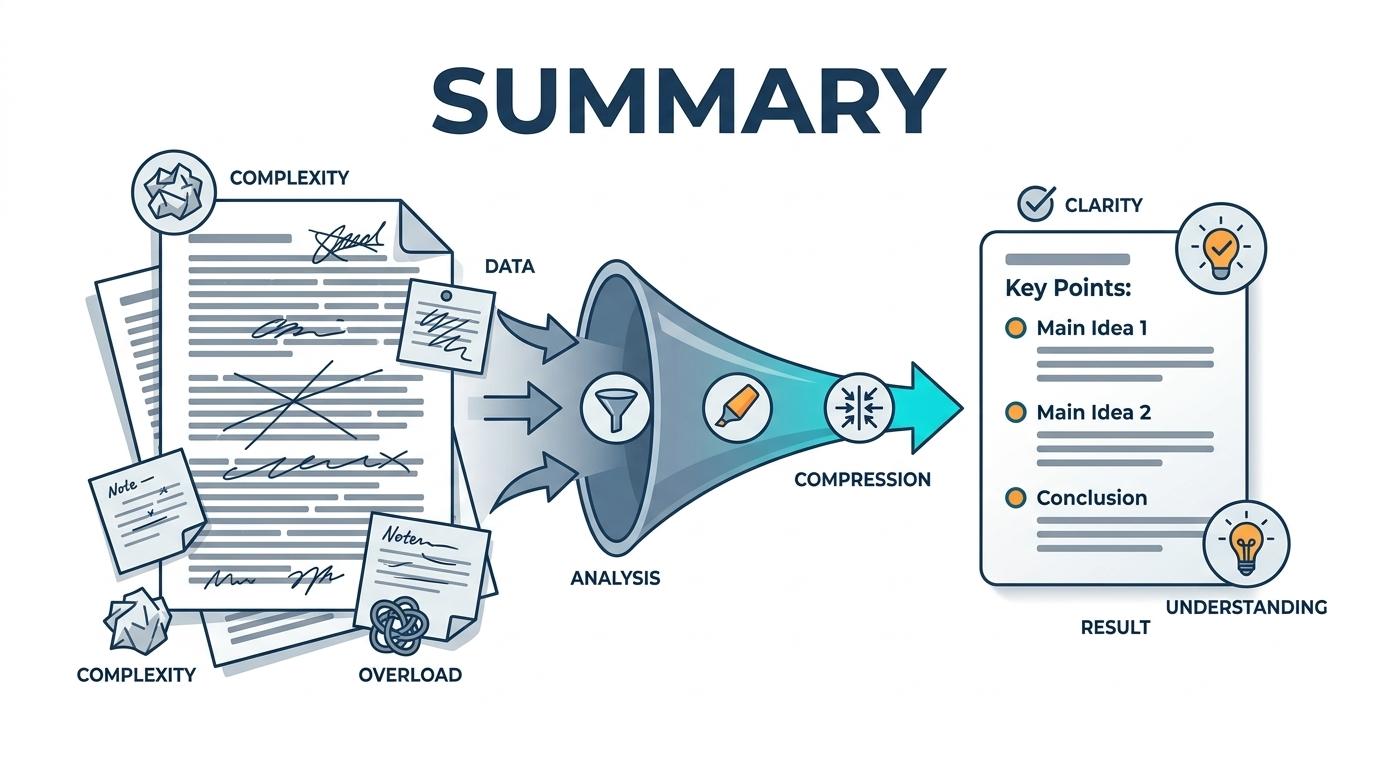
The question of whether humans are funding their own replacements is a complex one, filled with nuances and implications. While AI systems have the potential to automate repetitive tasks and reshape industries, they also create opportunities for new jobs that require human intelligence and critical thinking. As we navigate this evolving landscape, it’s essential to strike a balance between innovation and ethics, ensuring that the development of AI aligns with the greater good. By investing in education, fostering collaboration, and prioritizing ethical considerations, we can create a future where both humans and AI thrive.
Your Friend,
Wade

Q1: Will AI completely replace human jobs?
A1: While AI can automate certain tasks, it is more likely to change the nature of work rather than completely replace human jobs. New opportunities will arise that require human skills and expertise.
Q2: How can we ensure that AI development is ethical?
A2: Companies should implement guidelines for ethical AI use, focusing on transparency, accountability, and fairness. Collaboration between researchers, policymakers, and industry leaders is essential for addressing ethical concerns.
Q3: What skills will be most important in an AI-driven world?
A3: Critical thinking, creativity, emotional intelligence, and the ability to collaborate with AI systems will be crucial for success in an AI-driven world. Continuous learning and adaptation will be key to thriving in this evolving landscape.