




Key Takeaways
- The leading leverage trading platforms in 2026 include OKX (up to 125x on futures), Binance (up to 125x), Bybit (up to 200x), MEXC (up to 500x on select pairs), KuCoin (up to 100x), Gate.io (up to 100x), and Kraken (up to 50x on futures). Each targets a different trader profile.
- The best crypto platform for leverage depends on whether you are a beginner looking for educational resources, an experienced trader chasing low fees on derivatives markets, or a copy trading user wanting to mirror professional traders.
- High leverage (50x–200x) dramatically amplifies both potential profits and liquidation risk. Tools like isolated margin trading, stop-loss orders, and position sizing rules are non-negotiable.
- Effective cryptocurrency trading platforms for leverage offer high liquidity and robust security. Prioritize these factors-along with competitive fees and regulatory compliance-over headline maximum leverage numbers.
- Leverage ratios can range from 1:2 to 1:200 across platforms, and regulatory frameworks restrict leverage offerings in certain jurisdictions. Always confirm what is available in your region before opening a trading account.
Introduction: How to Pick the Best Crypto Leverage Trading Platform in 2026
Leverage trading has become the dominant way crypto traders amplify their trading power in 2026. Whether through perpetual futures, spot margin trading, or leveraged tokens, borrowing funds to increase position size lets traders control larger positions with less capital upfront. The appeal is obvious-but so is the risk.
This guide compares the top crypto exchanges offering leverage from the perspective of new traders, intermediate users, and experienced crypto traders. The focus is on centralized platforms offering derivatives markets, margin accounts, and copy trading features, not on-chain DEXs. Regulatory differences by region-especially across the EU, U.K., U.S., and Asia-shape maximum leverage, available trading pairs, and product access, so location matters more than many traders realize. Before jumping into platform reviews, the next section explains exactly how crypto leverage trading works.
What Is Crypto Leverage Trading and Why It Matters
At its core, leverage trading means borrowing funds from a crypto exchange to increase the size of a trading position relative to the margin you put up. Margin trading allows borrowing funds to increase position size-giving you market exposure far beyond what your deposit alone would permit.
Here are the key terms to understand:
- Leverage ratio: The multiplier applied to your margin. A 10x leverage means controlling $10,000 with a $1,000 deposit.
- Initial margin: The collateral you post to open a position.
- Maintenance margin: The minimum equity required to keep a position open. Margin calls occur when equity falls below a maintenance threshold.
- Liquidation price: The price at which the exchange automatically closes your position. Liquidation can happen if the market moves against a leveraged position by even a small percentage at high leverage.
- Leverage limits: Caps set per asset and per platform. Leverage generally ranges from 10x in spot margin to 125x in derivatives, and maximum leverage ratios can vary significantly across platforms.
Concrete example: You deposit $1,000 and open a 10x long on BTC. You now control a $10,000 position. If BTC rises 5%, your profit is $500 (50% return on margin). If BTC drops 5%, you lose $500. Leverage can amplify both profits and losses significantly-this is the core trade-off.
Most high leverage is available on derivatives markets (perpetual futures, options), not on spot margin trading. Spot margin typically caps at 2x–10x, while derivatives can go far higher.
Two risk modes matter here: cross margin trading uses all available balance in your trader's account as collateral for every position, meaning one bad trade can wipe everything. Isolated margin trading confines collateral to a single position, so losses are capped. For most retail investor accounts, isolated margin is the safer default.
Top 7 Crypto Exchanges for Leverage Trading in 2026
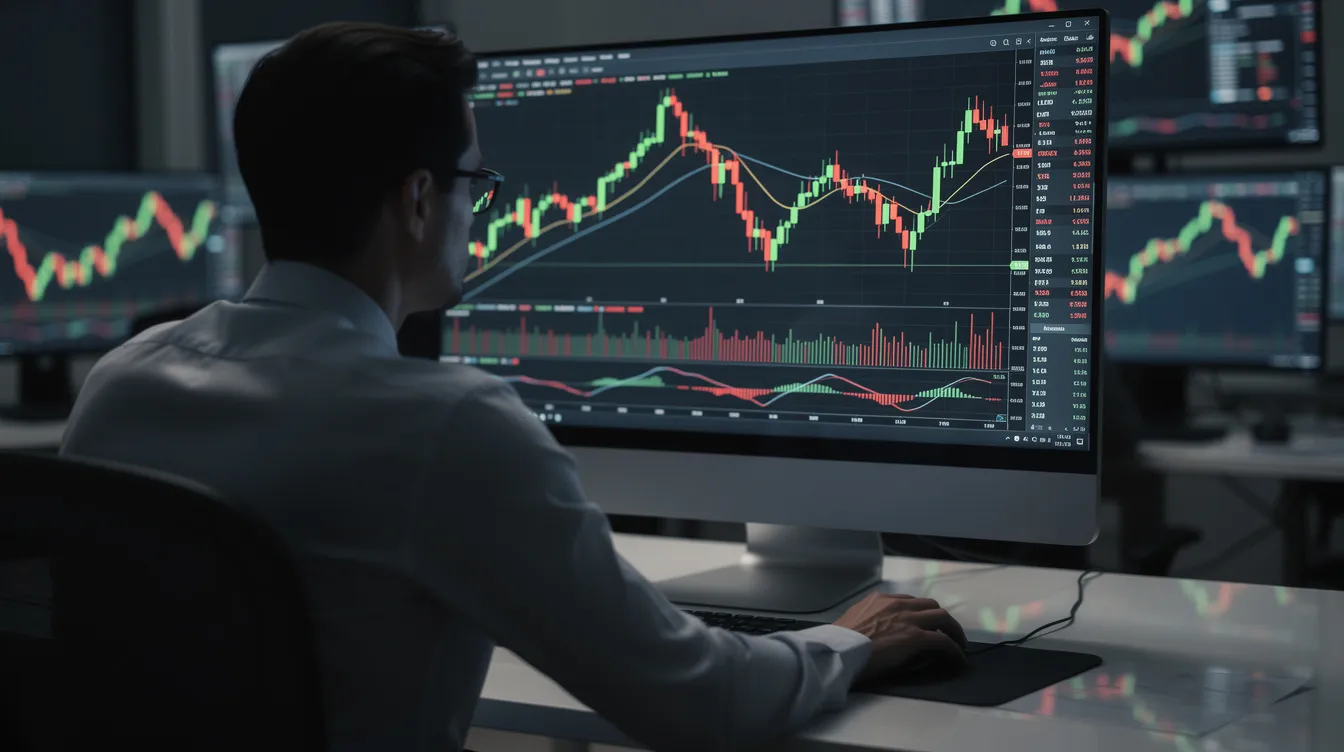
This section reviews seven widely used leverage trading platforms based on trading fees, leverage options, liquidity, and trading tools. Each platform summary covers typical max leverage, supported products (spot trading, margin, futures, copy trading), and who it suits best.
Leverage figures, fee ranges, and product details reflect early–mid 2026 conditions and may change. Always verify on official sites. The platforms covered:
- OKX – Well-rounded ecosystem for margin and derivatives
- Binance – Massive liquidity and product depth
- Bybit – Derivatives-first experience for active traders
- MEXC – Very high leverage and low fees for aggressive traders
- KuCoin – Altcoin variety with flexible leverage
- Gate.io – Deep derivatives markets and altcoin focus
- Kraken – Conservative leverage with strong regulatory focus
The goal here is not to crown a single winner, but to match features to different trading styles and risk appetite levels.
OKX – Well-Rounded Ecosystem for Margin and Derivatives
OKX is a large global crypto exchange launched in 2017 with strong derivatives markets liquidity and tens of millions of users. OKX supports up to 100x leverage on futures contracts for BTC and major altcoins, with tiered leverage limits that decrease as position size grows. Spot margin trading is available at lower ratios (typically up to 10x on select pairs).
Key products include USDT-margined perpetuals, coin-margined futures, options, and isolated margin trading on selected spot pairs. OKX charges approximately 0.045% for futures trading fees, with maker/taker tiers that reward higher trade volume. Discounts are available through native token holdings.
For experienced traders, OKX offers advanced trading tools: professional charting, portfolio margin mode, advanced order types, and in-depth educational resources. OKX employs cold storage and multisig for security, publishes proof-of-reserves reports, and supports account protections like 2FA and withdrawal whitelists. This makes it a solid fit for traders wanting both depth and a secure trading environment.
Binance – Massive Liquidity and Product Depth
Binance is one of the largest crypto exchanges by daily volume, commanding roughly 37–40% of global spot market share in Q1 2026. High trading volume ensures that leveraged positions can be entered and exited quickly-a critical advantage on a trading platform this size.
Leverage ranges: Binance provides up to 10x leverage for margin trading on spot, and up to roughly 125x on selected BTC and ETH perpetual futures contracts. Altcoin futures typically max out at 50x–75x. New accounts are capped at approximately 20x for the first 60 days, a safety net designed to protect new traders from overleveraging immediately.
Binance charges a 0.05% to 0.60% taker fee based on trading volume, with competitive maker fees that drop further at higher VIP levels and with native token (BNB) payment discounts. The platform supports USDT-margined and coin-margined perpetual contracts, options on major crypto assets, grid bots, copy trading, and API access. Availability and leverage caps vary significantly by region due to local rules-particularly in the EU, where MiCA licensing may affect product access.
Bybit – Derivatives-First Experience for Active Traders
Bybit is a derivatives-focused crypto trading platform popular among active futures and perpetual contract traders. Bybit offers leverage up to 1:200 on various crypto assets in certain non-regulated jurisdictions, with more common limits of 100x on BTC and major pairs. Lower-cap altcoins have reduced leverage limits for risk control.
The platform supports both cross margin trading and isolated margin trading, with detailed per-contract leverage settings. Advanced traders benefit from professional charting (built-in TradingView), risk-limit configurations, and margin and liquidation calculators. Additional features like copy trading, trading competitions, and yield products appeal to more speculative crypto traders and investors alike.
The combination of high leverage and speculative derivatives makes strict risk management essential on Bybit. Use isolated margin and set stop-losses before entering any leveraged positions.
MEXC – Very High Leverage and Low Fees for Aggressive Traders
MEXC is a global centralized derivatives exchange listing over 2,800 coins across spot and futures markets. MEXC offers leverage up to 500x on select futures, though practical position size limits often apply at the highest ratios. More typical max leverage sits around 200x for BTC futures, with 50x–100x on liquid altcoins and lower caps on smaller tokens.
MEXC offers a 0.00% maker fee for spot trading and near-zero maker fees on many futures markets-among the lowest in the industry. Taker fees are also low (around 0.02% for futures), making it attractive for high-frequency and scalping strategies. Both isolated and cross margin modes are available across a wide selection of perpetual contracts for major and niche crypto assets. MEXC also offers loss coverage events for new users as a promotional incentive.
Such high leverage is better suited to highly experienced traders who understand liquidation risk and funding fees. Volatility, slippage, and thin order books on smaller tokens can make extreme leverage dangerous. If you are trading cryptocurrencies on MEXC for the first time, start with lower leverage and small position sizes.
KuCoin – Altcoin Variety with Flexible Leverage
KuCoin is a major crypto exchange with millions of users and one of the largest catalogs of altcoins and perpetual futures. Leverage reaches up to 100x on selected futures contracts, with spot margin trading available at up to roughly 10x on eligible pairs (subject to risk tiers).
KuCoin is attractive to cryptocurrency traders seeking early access to new tokens alongside leverage on more established markets. Features include trading bots, futures grid strategies, and isolated margin trading for both casual and semi-professional traders. The fee structure is competitive: low base maker/taker fees with VIP tiers and native token discounts rewarding active trading.
Security measures include cold storage, insurance funds, and periodic proof-of-reserves disclosures. However, regulatory access varies, so check whether futures and leveraged products are available in your jurisdiction.
Gate.io – Deep Derivatives Markets and Altcoin Focus
Gate.io is a long-running exchange known for listing altcoins quickly and offering broad derivatives markets. Gate.io provides up to 100x leverage on futures trading for major pairs, with reduced leverage on smaller tokens. Gate.io has a 0.2% fee for spot and margin trading, with tiered discounts for higher-volume accounts.
Both isolated and cross margin modes are available, alongside a variety of perpetual futures and structured products for active traders. Trading tools include integrated charting, detailed funding rate data, and portfolio analytics for managing multiple margin positions.
Gate.io can be a good fit for traders wanting leverage exposure to newer or more niche digital assets. However, always evaluate liquidity on specific trading pairs before using high leverage-tight spreads matter far more than headline leverage numbers on thin markets.
Kraken – Conservative Leverage with Strong Regulatory Focus
Kraken is a long-established crypto exchange emphasizing security, regulatory compliance, and transparent fee structures. Kraken allows up to 50x leverage on futures trades and offers regulated spot margin trading for U.S. retail users at up to 10x on top pairs like BTC/USD and ETH/USD, with lower leverage limits on altcoins.
Kraken requires stringent KYC for leverage trading, reflecting its compliance-first approach. Kraken's trading fees range from 0.01% to 0.02% for spot trades, with competitive futures fees and detailed public schedules. Margin trading features include clear margin health indicators, live equity and P&L tracking, and robust risk management tools including automatic deleveraging.
This platform often appeals to professional traders and more experienced traders who value reliability and a secure trading environment over extreme high leverage. If you are in a stricter regulatory environment-or simply prefer transparency-Kraken is a strong candidate for best crypto leverage option.

How to Choose the Best Crypto Leverage Trading Platform for Your Needs
No single exchange is the best for everyone. Selection depends on your goals, risk exposure tolerance, preferred crypto assets, and where you live. Here are the major evaluation criteria:
Criteria | What to Evaluate |
|---|---|
Regulation & Security | Licensing, cold storage, insurance funds, KYC requirements |
Leverage & Margin Modes | Max leverage per asset, isolated vs cross margin |
Fees | Maker/taker, funding rates, borrowing costs, liquidation fee |
Liquidity | Order book depth, tight spreads on your pairs |
Tools & UX | Charting, order types, copy trading, mobile app, API |
Traders should define whether they prioritize low fees, high leverage, specific derivatives products, or tools like copy trading and bots. Test new platforms initially with small position sizes and isolated margin to understand how each risk engine behaves.
Soft factors also matter: customer support response times, educational resources quality, and mobile app performance for active traders can all affect your trading experience over time.
Regulation, Security, and Jurisdiction
Always check where an exchange is registered, which regulators oversee it, and whether the platform is allowed in your country. Platforms vary widely in jurisdiction compliance and leverage limits. Regulatory frameworks restrict leverage offerings in certain jurisdictions-for example, U.S. retail traders face much tighter leverage limits than users in less regulated markets.
Key security features to look for include cold storage ratios, proof-of-reserves audits, insurance or protection funds, and the exchange's track record handling incidents. For reference, Bitfinex is regulated and compliant with local laws, and Gemini provides FDIC insurance for uninvested cash-examples of how security and compliance models differ across the industry.
Regulation shapes leverage limits and product availability, particularly for derivatives markets offered to retail traders. If you are a larger account holder, favor exchanges with stronger regulatory oversight and transparent security practices.
Leverage Limits, Margin Modes, and Tradable Products
Compare maximum leverage across BTC, ETH, and altcoins. Each platform has unique margin maintenance requirements affecting liquidation prices-what looks like the same "100x leverage" can behave differently depending on how margin health is calculated.
Mode | How It Works | Best For |
|---|---|---|
Cross margin | Entire account balance serves as collateral | Experienced traders managing correlated positions |
Isolated margin | Only allocated margin at risk per position | Most traders; limits downside to a single trade |
Main product types include spot margin, perpetual futures, dated futures contracts, options, and leveraged tokens. Beginners should start with modest leverage (2x–5x) and simple products before exploring complex derivatives.
Fees, Funding Rates, and Total Cost of Trading
Key cost components for leveraged positions:
- Maker and taker fees: Compare fees across platforms; even a 0.01% difference matters at scale.
- Margin borrowing interest: For spot margin trading, interest accrues on borrowed capital over time.
- Perpetual futures funding fees: Periodic payments between longs and shorts, typically every 8 hours.
- Liquidation fee: Some exchanges charge additional penalties at liquidation.
- Rollover fee: Applicable on some margin and futures products for holding positions across settlement periods.
Leverage trading generates higher transaction volumes that can erode profits due to fees. Because the notional trade size is much larger than the margin posted, even small percentage trading fees compound quickly. Funding rates can quietly erode profits on longer-term leveraged positions-traders must monitor them, especially when holding margin positions for days or weeks.
Estimate total cost per strategy (scalping vs swing trading) across multiple platforms before committing. A platform with slightly higher leverage but significantly higher fees may cost you more in practice.
Liquidity, Execution Quality, and Platform Tools
Deep liquidity and tight spreads matter more than slightly higher leverage, especially for large or fast-moving trades. Slippage-orders filled at worse prices than expected during fast market movements-can significantly change effective entry/exit levels when using high leverage. Partial fills on thin order books compound this problem.
Robust trading tools are essential: one-cancels-the-other (OCO) orders, trailing stops, margin calculators, and multi-chart layouts all help manage risk exposure. Advanced traders benefit from professional charting and risk-limit configurations, as well as API stability and low-latency connections for algorithmic strategies. Technical analysis and fundamental analysis are both easier when platforms provide clean data and responsive interfaces.
Copy Trading, Bots, and Educational Resources
Copy trading allows newer crypto traders to mirror the strategies of experienced traders automatically, including on leveraged derivatives. This can be appealing, but it carries the full risk of leverage-poor performance by the copied trader can quickly lead to large drawdowns or liquidations in your own trader's account. Always review a leader's long-term track record, drawdowns, and typical leverage use before allocating more than a small portion of capital.
Automated trading bots and signals are growing in popularity, but they still require understanding of leverage and margin risks. Favor platforms offering high-quality educational resources-courses, webinars, testnets-to build your own trading skills over time. The goal is to trade responsibly, not just to follow someone else's bets.
Risks of High Leverage Crypto Trading and How to Manage Them
Leverage amplifies both potential profits and losses, shrinking the distance to liquidation when price movements go against you. Common risk scenarios include sudden volatility spikes, liquidation cascades on thin markets, and overnight news events unique to the 24/7 digital currency space.
Risk management is at least as important as picking the right platform. Key risk management tools include:
- Position sizing (risking only 1–2% of equity per trade)
- Stop-loss and take-profit orders
- Isolated margin for every leveraged position
- Avoiding maximum leverage during highly volatile periods
Treat leverage as a tactical tool rather than always maximizing available ratios like 50x, 100x leverage, or 200x. More experienced traders know that restraint is a competitive advantage.
Liquidation, Margin Calls, and Cascading Losses
Margin health is calculated by comparing your account equity against the maintenance margin required for your open positions. When equity drops below the threshold, exchanges trigger margin calls or automatic liquidation to protect the platform's borrowing funds.
Example: You use $100 USDT with 125x leverage on a BTC perpetual to control a $12,500 position. A move of just 0.8% against you wipes out your entire margin. With taker fees of ~0.04%, entry and exit costs alone eat roughly $10-10% of your margin before the market even moves.
In thin markets, cascading liquidations can cause prices to overshoot stop-loss levels, meaning your actual exit price may be much worse than planned. Practical steps to manage this:
- Use isolated margin trading to confine losses
- Set conservative leverage (lower than the max)
- Avoid concentrated risk in a single over-leveraged position
Volatility, Slippage, and Overnight Funding Costs
Crypto's 24/7 volatility increases the chance of sharp intraday swings that can hit liquidation prices for high leverage traders within minutes. Slippage-entries and exits filled at worse prices than expected-magnifies the impact on P&L when you are controlling a large notional position with a thin margin.
Holding perpetual futures overnight or for multiple days accumulates funding fees that can erode or reverse profitable setups. Funding costs depend on market conditions and can swing between positive and negative.
Risk-mitigation tactics include:
- Trading during higher-liquidity periods
- Avoiding extreme leverage around major news events
- Regularly reviewing accumulated funding payments
- Keeping a detailed trading journal to track which leverage levels and strategies work best
Practical Risk Management Techniques for Crypto Traders
Practical habits for managing leveraged positions:
- Risk small per trade. Never risk more than 1–2% of total equity on any single trading position.
- Diversify. Spread risk across multiple digital assets instead of going all-in on one pair.
- Set orders in advance. Combine stop-loss and take-profit orders to define risk/reward before entering, reducing the need for constant screen monitoring.
- Avoid revenge trading. Emotional decisions after a loss are the fastest path to blowing up a trading account.
- Start on demo. Practice on demo accounts or with very small real-money positions on a new leverage trading platform before scaling up.
These habits apply regardless of whether you are using 3x or 100x leverage.
Leverage Trading in Spot vs Derivatives Markets
Leverage can be accessed through spot margin accounts or through derivatives like perpetual futures, dated futures contracts, and options. Spot margin involves borrowing actual crypto assets, while derivatives markets use contracts referencing the underlying asset price.
Feature | Spot Margin | Derivatives (Perps/Futures) |
|---|---|---|
Typical Leverage | 2x–10x | 10x–200x+ |
Cost Model | Borrowing interest | Funding rates + trading fees |
Complexity | Lower | Higher |
Ownership | You hold actual coins | You hold a contract |
Many exchanges now restrict leverage on spot but still allow higher leverage on derivatives for eligible users. Layer-1 decentralized exchanges provide up to 50x leverage for trading pairs, and decentralized exchanges can offer trading without centralized Know Your Customer requirements-though liquidity and tooling remain more limited than on centralized platforms. Newer traders might begin with low-leverage spot margin before moving into high-leverage derivatives trading.
Spot Margin Trading
Spot margin trading allows you to borrow money against collateral to buy or short-sell the underlying asset directly. You gain actual ownership of the digital currency, and interest accrues on borrowed capital over time.
Typical leverage levels sit at 2x–10x. For example, Kraken's U.S. spot margin product allows up to 10x on top pairs, with borrowing costs locked at position opening. Isolated margin trading is especially important on spot margin to keep potential losses confined to a single pair.
Spot margin is simpler for traders who want actual ownership of specific coins rather than derivatives exposure, and it works well for those who want to borrow money to increase trading power without the complexity of futures contracts.
Perpetual Futures and Other Derivatives
Perpetual futures are contracts without expiry dates that track spot prices, with funding rates used to keep contract prices aligned with the underlying asset. Most headline "high leverage" offers-50x, 100x, or even 500x-apply to perpetual futures rather than spot margin trading.
Derivatives allow going long or short with relatively small initial margin, but increase complexity through funding fees, liquidation rules, and contract specifications. Only experienced traders should use very high leverage on derivatives, and even then with strict position and risk limits.
Conclusion: Matching Platforms, Leverage, and Strategy
The best cryptocurrency trading platform with leverage depends on your experience level, risk appetite, and preferred markets. Binance and OKX dominate on liquidity and product depth. Bybit and MEXC cater to aggressive derivatives specialists willing to accept higher risk exposure. Kraken appeals to those who value regulation and conservative leverage options.
High leverage is not inherently better. Sustainable success comes from matching moderate leverage with solid risk management tools, competitive fees, and deep liquidity. Shortlist two or three exchanges, test them with small isolated-margin trades, and scale up only after gaining familiarity with each platform's mechanics.
Crypto trading is highly speculative. Never risk capital you cannot afford to lose, and always trade responsibly.

FAQs
Q1: What is a safe leverage level for beginners in crypto trading?
Most beginners should start with very low leverage-around 2x to 3x-or even trade without leverage until they understand how volatility and liquidation mechanics work on their chosen trading platform. Low leverage provides more room for normal price swings and dramatically reduces the chance of immediate liquidation on common intraday market movements. Practice on demo accounts or with small real balances before increasing leverage gradually.
Q2: What is the difference between cross margin and isolated margin?
Cross margin trading uses the entire trading account balance as collateral for all open positions, meaning one bad trade can affect your whole portfolio. Isolated margin trading limits collateral to a specific position or pair, so if that trade is liquidated, losses are confined to the margin allocated to it. Most retail crypto traders should default to isolated margin, especially when learning the mechanics of high leverage.
Q3: Can I use copy trading with leverage, and is it safe?
Many exchanges allow copy trading on leveraged derivatives, meaning your account mirrors a lead trader's leveraged positions automatically. This still carries the full risk of leverage-poor performance or excessive risk exposure by the copied trader can quickly lead to large drawdowns or liquidations in your own account. Review a leader's long-term track record, historical drawdowns, and typical leverage use before allocating more than a small portion of your capital.
Q4: How do funding rates affect long-term leveraged positions?
Funding rates are periodic payments between long and short traders on perpetual futures, designed to keep contract prices near spot. Holding a position for days or weeks means paying or receiving funding multiple times, which can significantly change net profitability. Traders planning longer-term positions should factor expected funding fees into their strategy and consider lower leverage to reduce both cost accumulation and liquidation risk.
Q5: What should I check before using 50x or 100x leverage on a platform?
Confirm liquidity on the chosen trading pair, check typical spreads, and review recent price movements to estimate how far the price might move intraday. Review the exchange's liquidation policies, maintenance margin requirements, and any additional liquidation fee or penalties. You should have a clearly defined stop-loss and be prepared to monitor your position closely. If you cannot actively manage the trade, such high leverage is likely inappropriate for your situation.
Your Friend,
Wade