




Key Takeaways:
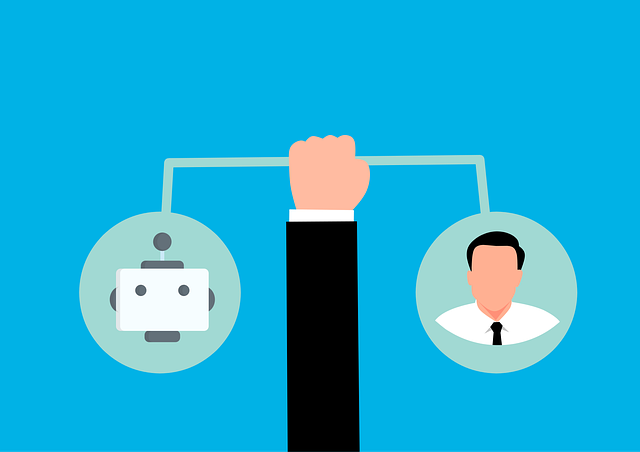
- Understanding the nuances of conversation can help you identify whether you’re interacting with an AI or a human.
- Look for signs like grammar mistakes, vague answers, and emotional responses to differentiate between AI bots and real people.
- Engaging in specific tests can reveal the nature of the entity you’re communicating with, whether it’s a chatbot or a customer service rep.
Introduction to Artificial Intelligence
Artificial intelligence, or AI, is rapidly transforming the way we communicate online. From ai chatbots handling customer service inquiries to virtual assistants helping us manage our schedules, artificial intelligence is now a constant presence in our digital lives. As these technologies become more advanced, it’s increasingly difficult to tell whether you’re chatting with a human or an AI. AI chatbots are designed to mimic human responses, making it crucial for users to understand the signs that set them apart from real people. Recognizing these subtle differences in intelligence and interaction can help you navigate online conversations with confidence and protect your personal information in an ever-evolving digital world.
The Rise of AI in Everyday Conversations
Artificial intelligence has seeped into various aspects of our lives, from customer service to social media interactions. Companies like Google and Microsoft have invested heavily in developing AI chatbots that can handle customer inquiries with remarkable speed and efficiency. A company may deploy either chatbots or human agents to manage communication and resolve customer concerns, depending on their needs. While this technology offers convenience, it also raises questions about the authenticity of our online interactions.
As AI becomes more prevalent, users must remain vigilant. AI chatbots are powered by large language models (LLMs) trained on vast datasets from the internet, which enables them to generate human-like responses. The ability to recognize when you’re speaking with a bot can save you time and frustration. Understanding the context of your conversation is crucial in identifying whether you’re dealing with a human or a machine.
AI chatbots are always available to chat, which can sometimes create a sense of distrust in their human-like interactions.
Recognizing the Signs of AI Interaction
One of the first indicators that you might be chatting with an AI is the presence of perfect spelling and grammar. While humans can certainly communicate well, they often make minor mistakes or typos. If your conversation partner consistently produces flawless text, it could be a sign that you’re interacting with a chatbot.
Another red flag is the tendency for AI to provide vague answers. Unlike humans, who can draw from personal experiences and emotions, AI often relies on pre-programmed responses. Bots often provide vague or generic responses, especially when discussing heavy or serious topics, and their answers may be structured like essays rather than the fragmented and spontaneous style of human conversation. Additionally, AI chatbots tend to repeat phrases or recommendations, which is less common in human conversation. If you find that your conversation partner is giving you generic replies, repeating themselves, or avoiding specific questions, it may be time to reconsider who—or what—you’re talking to.
The Importance of Emotional Responses
Humans are inherently emotional beings, and our conversations often reflect that. When engaging with a real person, you can expect a range of emotional responses, from humor to empathy. For instance, if you express that you feel sad, a human might respond with genuine concern or comforting words, while an AI may reply with a generic or formulaic statement that lacks true understanding. If your conversation partner seems to lack emotional depth or responds in a robotic manner, it could indicate that you’re speaking with an AI.
For example, if you share a personal story and the response feels flat or overly scripted, it’s a sign that the other end may not be a human. AI chatbots are capable of mimicking empathy to some extent, but they often fall short of genuine emotional connection. In empathic dialogue, revealing true feelings is common with humans, but AI's limitations are often exposed in these moments. Humans truly hear and respond to emotions, offering nuanced feedback, while AI can only simulate this process. Human responses often sound authentic and emotionally nuanced, whereas AI replies may sound flat or scripted. Additionally, AI chatbots often lack the ability to understand sarcasm or humor, leading to flat responses. Chatbots are also frequently overly polite and formal, missing the casualness typical of human interactions. This lack of emotional nuance can be a significant clue in identifying your conversation partner.
The Role of Context in Conversations
Context plays a vital role in human communication. We often rely on shared experiences and cultural references to make sense of our interactions. AI, on the other hand, may struggle with context, leading to responses that feel out of place or irrelevant. AI responses can be linguistically correct but contextually wrong, meaning the answer may be grammatically accurate yet not fit the situation. Sometimes, an AI's reply makes sense on the surface but lacks deeper understanding or insight.
If you notice that your conversation partner fails to grasp the context of your discussion or repeatedly asks the same question, it could be a sign that you’re dealing with an AI. Humans typically adapt their responses based on the flow of conversation, while AI may get stuck in a loop, unable to process the nuances of the dialogue. Additionally, AI chatbots often exhibit a consistent tone and style throughout the conversation, lacking the natural variability and tone shifts that humans display.
Analyzing Response Speed and Polish
One of the most telling signs that you might be interacting with an AI chatbot is the speed and polish of its responses. AI chatbots can generate answers almost instantly, often with perfect spelling and grammar. In contrast, a human might take a moment to think, make a typo, or occasionally use informal language. For example, if you ask a question and receive a flawlessly written reply in less than a second, it could be a red flag that you’re dealing with a bot. While humans can certainly write well, the combination of rapid response speed and consistently perfect grammar is uncommon in natural conversation. Paying attention to these details in context can help you spot the difference between a human and an AI.
Evaluating Conversation Flow
Another way to determine if you’re talking to an AI chatbot or a real person is by evaluating the flow of the conversation. Human conversations are naturally dynamic, often taking unexpected turns or shifting topics based on emotions and shared experiences. AI chatbots, however, tend to follow a more predictable and structured pattern, sticking closely to pre-programmed responses. If your conversation feels overly scripted or lacks the spontaneity and emotional depth you’d expect from a human, it may be a sign that you’re interacting with a bot. Noticing how responses are delivered and whether the conversation adapts naturally can reveal a lot about who—or what—is on the other end.
Testing Your Conversation Partner
If you’re unsure whether you’re chatting with a human or an AI, consider conducting a simple test. Ask open-ended questions that require thoughtful responses. For instance, inquire about their favorite movie and why they love it. A human will likely provide a detailed answer, sharing personal anecdotes and emotions.
You can also try the 'Curveball' test—ask a subjective question like "Waffles or pancakes?" and see if your conversation partner can explain their personal preference. AI often gives generic responses and struggles to explain personal experiences. Imagine how these tests work in practice: at the point where the answers become vague or lack genuine detail, you may be interacting with an AI.
Another method is the 'Stop' Test. Tell your conversation partner to stop talking. An AI will likely respond anyway, while a human would typically stop. Additionally, asking about specific local events or niche topics can reveal an AI's limitations, as it may not have access to such detailed knowledge. These strategies help you identify the critical point where it becomes clear whether you’re talking to an AI or a live person.
The Impact of AI on Customer Service
In the realm of customer service, AI chatbots have become a common fixture. Many companies deploy chatbots to handle customer inquiries, aiming to provide efficient and consistent responses. They can handle a multitude of inquiries simultaneously, providing quick responses to customers. However, this efficiency comes at a cost—often, the human touch is lost in the process.
When dealing with customer service, it’s essential to recognize the limitations of AI. If you find yourself receiving vague answers or feeling frustrated by the lack of personalized assistance, it may be time to request a human representative. In these situations, you may specifically want to speak with a customer service rep to ensure your issue is handled by a real person. If you are dissatisfied with the outcome, you may need to file a complaint or claim to formally address your concerns. Additionally, AI chatbots are designed to be overly polite and helpful, which can sometimes make their responses feel unnatural. Many companies offer the option to escalate your inquiry to a live person, ensuring that your concerns are addressed with the attention they deserve.
The Dating App Dilemma
Dating apps have also seen a surge in AI usage, with chatbots designed to engage users and facilitate connections. While this technology can enhance the user experience, it can also lead to confusion. If you’re chatting with someone on a dating app and their responses feel scripted or overly polished, it might be a sign that you’re not talking to a real person. Some users even refer to these AI chatbots as robots, highlighting the challenge of distinguishing between a human and a robot in conversation. Sometimes, the signs of AI are obvious, like unnaturally perfect grammar or responses that lack genuine emotion, but other times they are subtle. Most people don’t respond with the same level of enthusiasm or flawless politeness as chatbots, making it easier to spot the difference. In 2026, identifying AI often requires detecting the 'fingerprint of messiness'—the small imperfections and inconsistencies that AI still struggles to replicate naturally.
To navigate this landscape, consider asking questions that require personal insights or experiences. If your conversation partner struggles to provide meaningful answers, it could indicate that you’re interacting with an AI. Being aware of these signs can help you avoid potential pitfalls in the dating world.
The Grammar Game: Spotting AI Mistakes
While AI chatbots are known for their impeccable grammar, their responses may be linguistically correct but contextually wrong, providing answers that sound accurate yet miss the intended meaning. AI chatbots may also repeat certain phrases or sentence structures across conversations, which can be a giveaway. Additionally, humans often make typos and grammatical errors in their messages, while AI chatbots typically do not. If you notice odd phrasing or responses that seem out of place, it could be a clue that you’re dealing with an AI. Humans often communicate in a more fluid and natural manner, while AI may produce responses that feel stilted or unnatural.
For example, if you ask a straightforward question and receive a convoluted answer filled with jargon, it may be time to reconsider your conversation partner’s identity. Paying attention to these nuances can help you identify whether you’re chatting with a human or an AI.
Humor and Wit: The Human Touch
Humor is a quintessential aspect of human interaction. We often use jokes, puns, and playful banter to connect with others. If your conversation partner struggles to understand or respond to humor, it could be a sign that you’re speaking with an AI. Genuine humor sounds authentic and spontaneous, reflecting true understanding and emotion, while AI responses can seem forced or cliché. AI chatbots often lack the ability to understand sarcasm or humor, leading to flat responses.
While some AI chatbots are programmed to recognize and respond to humor, they often miss the mark. If your jokes fall flat or your partner fails to engage in lighthearted banter, it may be time to question their humanity. A genuine human will likely appreciate and reciprocate humor, adding a layer of connection to the conversation.
The Security Factor: Protecting Your Information
In an age where online security is paramount, it’s crucial to be cautious about the information you share during conversations. Watch for signs of AI-generated language, such as unusual word choices or repetitive phrasing, as these can indicate you are interacting with a chatbot. AI chatbots may not have the same understanding of privacy and security as humans do. If your conversation partner seems overly eager to collect personal information or asks probing questions, it could be a red flag.
When dealing with customer service or online interactions, always prioritize your safety. If something feels off or if you’re uncomfortable with the questions being asked, trust your instincts. What truly matters is the usefulness and accuracy of the responses you receive, regardless of whether you’re speaking with a human or an AI. Protecting your personal information should always be a top priority, regardless of whether you’re speaking with a human or an AI.
The Importance of Awareness
In today’s digital world, being aware of the possibility that you’re interacting with AI is more crucial than ever. AI chatbots are becoming more sophisticated, making it harder to recognize them at first glance. Signs like vague answers or perfect spelling can help you identify when you’re not speaking with a real person. This awareness is essential not only for having meaningful conversations but also for protecting yourself from spam, scams, or unwanted data collection. By staying alert to these signs, you can better protect your privacy and ensure your online interactions are safe and authentic.
Developing Your Skills
Recognizing when you’re talking to an AI chatbot versus a human takes practice and attention to detail. By analyzing response speed, evaluating conversation flow, and staying aware of the signs, you can sharpen your ability to spot AI in various contexts—whether you’re on a dating app, handling business communications, or seeking customer support. Developing these skills is essential as AI chatbots become more common in everyday conversation. The more you practice, the easier it will be to recognize the subtle differences in responses and context, helping you make informed decisions and get the most out of your online interactions.
The Future of AI Conversations
As technology continues to advance, the distinction between human and AI interactions will likely become even more challenging to discern. With the rise of large language models and increasingly sophisticated AI, users must remain vigilant and informed. Many people are now interested in learning how to identify AI-generated content, as genuine curiosity can lead to a better understanding of these technologies. Understanding the signs and cues that indicate whether you’re speaking with a human or a bot will be crucial in navigating this evolving landscape. On the flip side, it's important to be aware of potential risks, such as data collection or phishing, that can arise when interacting with AI in conversations.
By staying aware of the nuances of conversation and employing simple tests, you can enhance your online interactions and ensure that you’re connecting with genuine individuals. The ability to recognize the difference between AI and human conversation will empower you to engage more meaningfully in the digital world.

Summary
In a world where AI is becoming an integral part of our daily interactions, knowing how to identify whether you're speaking with a human or a chatbot is essential. By paying attention to emotional responses, context, and the nuances of conversation, you can navigate your interactions more effectively. Whether you're seeking customer support or connecting with someone on a dating app, being aware of the signs can help you ensure that your conversations are authentic and meaningful.
Your Friend,
Wade

Q1: What are some common signs that I’m talking to an AI or a robot?
A1: Look for perfect spelling and grammar, vague answers, and a lack of emotional depth. If your conversation partner struggles with context or repeats questions, these could be indicators of an AI or robot. AI chatbots and robots also tend to repeat phrases or recommendations and usually maintain a consistent tone throughout the conversation, unlike humans who often shift tones and vary their responses.
Q2: How can I test if I’m speaking with a human or a chatbot?
A2: Ask open-ended questions that require personal insights or experiences. A human will likely provide a detailed and engaging response, while an AI may offer a generic answer.
Q3: Why is it important to know if I’m talking to an AI?
A3: Understanding whether you’re interacting with a human or an AI can save you time and frustration, especially in customer service or dating scenarios. It helps ensure that your conversations are meaningful and authentic.