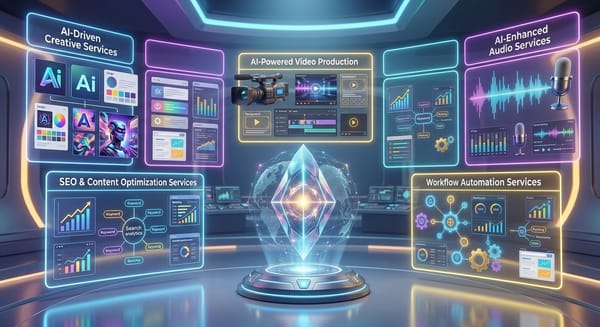

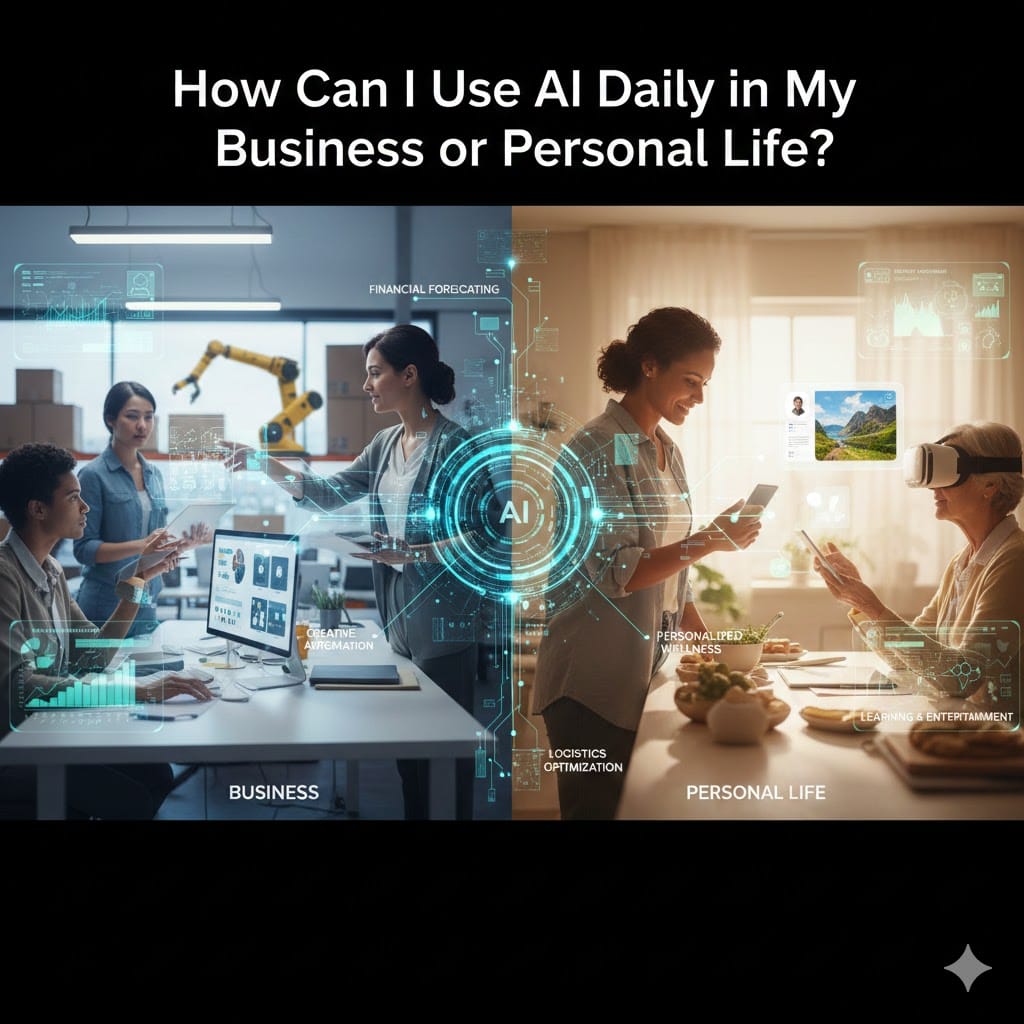



Artificial Intelligence (AI) is no longer a futuristic concept; it's a present-day reality that can transform both business operations and personal routines. From automating repetitive tasks to enhancing decision-making processes, AI tools and systems are reshaping how we live and work. This article explores practical ways to integrate AI into your daily life, whether for business or personal use.
Key Takeaways:
- AI can automate and optimize everyday tasks, enhancing productivity and efficiency.
- AI tools offer personalized solutions for both business and personal development.
- Integrating AI into daily routines can lead to informed decisions and innovative outcomes.
Understanding AI in Everyday Life
Artificial Intelligence is like a Swiss Army knife for the modern world, offering a tool for every task. Whether you're running a business or managing personal affairs, AI solutions can streamline operations and save time. AI systems are designed to handle complex data, making them invaluable for tasks that require precision and speed.
Incorporating AI into daily life doesn't require a tech-savvy background. With user-friendly AI platforms and applications, anyone can harness the power of AI with minimal effort. From voice assistants like Google Assistant to AI-driven platforms for data analysis, the possibilities are endless.
AI Tools for Business Efficiency
Businesses today are leveraging AI tools to enhance productivity and operational efficiency. AI applications can automate data entry, manage inventory, and even predict customer needs through predictive analytics. By integrating AI into business processes, companies can make data-driven decisions that improve customer loyalty and satisfaction.
AI-powered systems also support human input by providing fresh ideas and insights. For instance, generative AI tools can assist in content creation, offering innovative solutions that traditional methods might overlook. This not only saves time but also ensures that businesses stay ahead of the curve.
Enhancing Personal Life with AI
In personal life, AI can be a game-changer. From personalized workout plans to virtual assistants that manage your to-do list, AI applications are designed to enhance daily routines. AI tools work seamlessly with personal devices, offering real-time analytics and insights that help prioritize tasks and make informed decisions.
AI also plays a significant role in health and wellness. By analyzing health data, AI systems can provide personalized recommendations and monitor progress. This integration of AI into everyday life not only supports personal development but also promotes a healthier lifestyle.
AI in Data Analysis and Decision Making
Data analysis is a cornerstone of AI usage in both business and personal contexts. AI models can process vast amounts of data quickly, identifying patterns and trends that might be missed by human analysis. This capability is crucial for businesses looking to optimize operations and for individuals seeking to make informed decisions.
Predictive modeling, a key feature of AI, allows for forecasting future trends based on historical data. This is particularly useful in areas like inventory management and customer behavior analysis, where anticipating needs can lead to better resource allocation and improved customer satisfaction.
AI in Content Creation and Marketing
Content creation is another area where AI shines. Generative AI tools can produce high-quality content with minimal human input, freeing up time for more strategic tasks. These tools can generate everything from blog posts to social media updates, ensuring that content remains fresh and engaging.
In marketing, AI applications can analyze customer data to create personalized campaigns that resonate with target audiences. By understanding user behavior, businesses can tailor their marketing efforts to meet customer needs, enhancing engagement and driving sales.
AI for Security and Fraud Detection
Security is a top priority for businesses and individuals alike. AI-driven platforms offer robust solutions for fraud detection and prevention, analyzing real-time data to identify suspicious activities. This proactive approach to security helps protect sensitive information and maintain trust.
AI systems can also enhance security in personal life. From smart home devices that monitor activity to AI-powered security systems that alert users to potential threats, AI provides peace of mind by safeguarding personal and professional environments.
AI in Health and Wellness
AI's impact on health and wellness is profound. By analyzing health data, AI tools can offer personalized workout plans and dietary recommendations, promoting a balanced lifestyle. These tools can also track progress and adjust plans as needed, ensuring that health goals are met efficiently.
In the medical field, AI supports drug discovery and patient care by analyzing complex data sets. This leads to faster, more accurate diagnoses and treatment plans, improving patient outcomes and advancing medical research.
AI in Education and Professional Development
Education is another area where AI is making waves. AI applications can create personalized study plans that cater to individual learning styles, enhancing the educational experience. These tools can also provide instant feedback, helping students understand concepts more thoroughly.
In professional development, AI supports continuous learning by offering tailored training programs and resources. This ensures that professionals stay updated with industry trends and skills, fostering career growth and development.
AI in E-commerce and Online Shopping
E-commerce platforms are leveraging AI to enhance the shopping experience. AI tools analyze customer data to offer personalized product recommendations, improving customer satisfaction and loyalty. This data-driven approach ensures that customers find what they need quickly and efficiently.
AI also streamlines operations for e-commerce businesses, from inventory management to customer service. By automating these processes, businesses can focus on strategic growth and innovation, staying competitive in a rapidly changing market.
AI in Travel and Navigation
Travel and navigation have been revolutionized by AI. From AI-powered travel assistants that plan itineraries to navigation systems that provide real-time traffic updates, AI makes traveling more efficient and enjoyable. These tools help travelers save time and avoid common pitfalls, enhancing the overall travel experience.
AI also supports language translation, breaking down barriers for travelers in foreign countries. Instant translation tools ensure smooth communication, making travel more accessible and enjoyable for everyone.
AI in Personal Finance Management
Managing personal finances can be a daunting task, but AI tools simplify the process. AI applications can track spending, create budgets, and offer financial advice based on user behavior. This helps individuals make informed financial decisions and achieve their financial goals.
AI also supports investment strategies by analyzing market trends and providing insights into potential opportunities. This data-driven approach to finance ensures that individuals can maximize their investments and secure their financial future.
AI in Home Automation
Home automation is another area where AI is making significant strides. Smart home devices powered by AI can control lighting, temperature, and security systems, creating a more comfortable and secure living environment. These devices learn user preferences over time, offering personalized solutions that enhance daily life.
AI also supports energy efficiency by optimizing resource usage. This not only reduces utility costs but also promotes sustainable living, benefiting both individuals and the environment.
AI in Entertainment and Media
The entertainment industry is embracing AI to create more engaging and personalized experiences. AI tools can analyze user preferences to recommend movies, music, and other media content, ensuring that entertainment options align with individual tastes.
In media production, AI supports content creation by automating editing processes and enhancing visual effects. This leads to higher-quality productions and more innovative storytelling, captivating audiences worldwide.
AI in Customer Service and Support
Customer service is a critical component of business success, and AI is transforming how companies interact with customers. AI-powered chatbots and virtual assistants provide instant support, answering queries and resolving issues efficiently. This enhances customer satisfaction and loyalty, driving business growth.
AI also supports customer service teams by analyzing customer data and providing insights into common issues. This allows businesses to address problems proactively, improving the overall customer experience.
AI in Agriculture and Farming
Agriculture is benefiting from AI innovations that optimize farming practices. AI tools analyze soil data, weather patterns, and crop health to provide farmers with actionable insights. This leads to better resource management and higher crop yields, supporting sustainable agriculture.
AI also supports precision farming by automating tasks like planting and harvesting. This reduces labor costs and increases efficiency, ensuring that farms remain productive and profitable.
AI in Manufacturing and Production
Manufacturing is another industry where AI is making a significant impact. AI systems optimize production processes by analyzing data and identifying areas for improvement. This leads to increased efficiency and reduced waste, enhancing overall productivity.
AI also supports quality control by monitoring production lines and identifying defects in real-time. This ensures that products meet high standards, reducing the risk of recalls and enhancing customer satisfaction.
AI in Transportation and Logistics
Transportation and logistics are being transformed by AI innovations. AI tools optimize routes, manage fleets, and predict maintenance needs, ensuring that operations run smoothly and efficiently. This leads to cost savings and improved service delivery, benefiting both businesses and consumers.
AI also supports supply chain management by analyzing data and providing insights into demand and inventory levels. This ensures that businesses can meet customer needs promptly, enhancing competitiveness in the market.
AI in Real Estate and Property Management
Real estate is leveraging AI to enhance property management and sales. AI tools analyze market trends and property data to provide insights into pricing and investment opportunities. This helps real estate professionals make informed decisions and maximize returns.
AI also supports property management by automating tasks like maintenance scheduling and tenant communication. This enhances operational efficiency and improves tenant satisfaction, ensuring that properties remain attractive and profitable.
AI in Legal and Compliance
The legal industry is embracing AI to streamline processes and enhance compliance. AI tools analyze legal documents and case data to provide insights into potential outcomes and risks. This supports informed decision-making and reduces the time spent on research and analysis.
AI also supports compliance by monitoring regulatory changes and ensuring that businesses adhere to legal requirements. This proactive approach reduces the risk of non-compliance and enhances business reputation.
AI in Human Resources and Recruitment
Human resources is benefiting from AI innovations that enhance recruitment and employee management. AI tools analyze candidate data to identify the best fit for job openings, streamlining the hiring process and reducing bias.
AI also supports employee management by analyzing performance data and providing insights into training and development needs. This ensures that employees remain engaged and productive, contributing to overall business success.
AI in Energy and Utilities
The energy sector is leveraging AI to optimize resource usage and enhance sustainability. AI tools analyze data from energy grids and consumption patterns to provide insights into efficiency improvements. This leads to cost savings and reduced environmental impact.
AI also supports renewable energy initiatives by predicting weather patterns and optimizing energy production. This ensures that renewable resources are used effectively, supporting the transition to a more sustainable energy future.
AI in Retail and Consumer Goods
Retail is embracing AI to enhance the shopping experience and optimize operations. AI tools analyze customer data to offer personalized recommendations and promotions, improving customer satisfaction and loyalty.
AI also supports inventory management by predicting demand and optimizing stock levels. This ensures that products are available when customers need them, enhancing competitiveness and profitability.
AI in Telecommunications
Telecommunications is benefiting from AI innovations that enhance network performance and customer service. AI tools analyze network data to identify issues and optimize performance, ensuring that services remain reliable and efficient.
AI also supports customer service by providing insights into customer behavior and preferences. This allows telecommunications companies to tailor their offerings and improve customer satisfaction.
AI in Insurance and Risk Management
The insurance industry is leveraging AI to enhance risk management and customer service. AI tools analyze data to assess risk and determine premiums, ensuring that policies are priced accurately and fairly.
AI also supports claims processing by automating tasks and providing insights into potential fraud. This enhances efficiency and reduces costs, benefiting both insurers and policyholders.
AI in Banking and Finance
Banking is being transformed by AI innovations that enhance customer service and risk management. AI tools analyze customer data to offer personalized financial advice and products, improving customer satisfaction and loyalty.
AI also supports fraud detection by analyzing transaction data and identifying suspicious activities. This proactive approach enhances security and protects customer assets.
AI in Construction and Engineering
Construction is benefiting from AI innovations that enhance project management and safety. AI tools analyze data to optimize construction schedules and resource allocation, ensuring that projects are completed on time and within budget.
AI also supports safety by monitoring construction sites and identifying potential hazards. This proactive approach reduces the risk of accidents and enhances worker safety.
AI in Hospitality and Tourism
The hospitality industry is embracing AI to enhance guest experiences and optimize operations. AI tools analyze guest data to offer personalized recommendations and services, improving customer satisfaction and loyalty.
AI also supports operations by automating tasks like booking and check-in, reducing wait times and enhancing efficiency. This ensures that guests have a seamless and enjoyable experience.
AI in Arts and Culture
The arts and culture sector is leveraging AI to enhance creativity and engagement. AI tools support artists by providing new mediums and techniques, leading to innovative and captivating works.
AI also supports cultural institutions by analyzing visitor data and providing insights into engagement and preferences. This ensures that exhibitions and programs remain relevant and appealing to diverse audiences.
AI in Sports and Fitness
Sports and fitness are being transformed by AI innovations that enhance performance and engagement. AI tools analyze athlete data to provide insights into training and recovery, optimizing performance and reducing injury risk.
AI also supports fitness enthusiasts by offering personalized workout plans and tracking progress. This ensures that fitness goals are met efficiently and effectively.
AI in Journalism and Media
Journalism is embracing AI to enhance content creation and distribution. AI tools analyze data to identify trends and generate stories, ensuring that content remains relevant and engaging.
AI also supports media distribution by analyzing audience data and optimizing content delivery. This ensures that media organizations reach their target audiences effectively and efficiently.
AI in Environmental Conservation
Environmental conservation is benefiting from AI innovations that enhance monitoring and protection efforts. AI tools analyze data from sensors and satellites to provide insights into environmental changes and threats.
AI also supports conservation efforts by automating tasks like data collection and analysis, reducing costs and enhancing efficiency. This ensures that conservation initiatives remain effective and impactful.
AI in Space Exploration
Space exploration is being transformed by AI innovations that enhance mission planning and execution. AI tools analyze data from space missions to provide insights into potential challenges and opportunities.
AI also supports mission execution by automating tasks and optimizing resource usage. This ensures that space missions remain efficient and successful, advancing our understanding of the universe.
AI in Disaster Management
Disaster management is benefiting from AI innovations that enhance preparedness and response efforts. AI tools analyze data from sensors and satellites to provide insights into potential threats and impacts.
AI also supports response efforts by automating tasks like resource allocation and communication, ensuring that disaster response remains efficient and effective.
AI in Urban Planning
Urban planning is being transformed by AI innovations that enhance decision-making and resource allocation. AI tools analyze data from sensors and surveys to provide insights into urban development and infrastructure needs.
AI also supports resource allocation by optimizing transportation and utility networks, ensuring that urban areas remain livable and sustainable.
AI in Fashion and Design
Fashion and design are embracing AI to enhance creativity and production. AI tools analyze trends and consumer preferences to provide insights into design and marketing strategies.
AI also supports production by automating tasks like pattern making and quality control, ensuring that fashion products remain innovative and high-quality.
AI in Food and Beverage
The food and beverage industry is leveraging AI to enhance production and customer service. AI tools analyze data to optimize recipes and production processes, ensuring that products remain consistent and high-quality.
AI also supports customer service by providing personalized recommendations and promotions, enhancing customer satisfaction and loyalty.
AI in Mining and Natural Resources
Mining is benefiting from AI innovations that enhance exploration and production. AI tools analyze geological data to provide insights into resource availability and extraction methods.
AI also supports production by automating tasks like drilling and transportation, ensuring that mining operations remain efficient and sustainable.
AI in Pharmaceuticals and Biotechnology
The pharmaceutical industry is leveraging AI to enhance drug discovery and development. AI tools analyze data to identify potential drug candidates and optimize clinical trials.
AI also supports biotechnology by automating tasks like data analysis and production, ensuring that products remain innovative and high-quality.
AI in Telecommunications
Telecommunications is benefiting from AI innovations that enhance network performance and customer service. AI tools analyze network data to identify issues and optimize performance, ensuring that services remain reliable and efficient.
AI also supports customer service by providing insights into customer behavior and preferences. This allows telecommunications companies to tailor their offerings and improve customer satisfaction.
AI in Insurance and Risk Management
The insurance industry is leveraging AI to enhance risk management and customer service. AI tools analyze data to assess risk and determine premiums, ensuring that policies are priced accurately and fairly.
AI also supports claims processing by automating tasks and providing insights into potential fraud. This enhances efficiency and reduces costs, benefiting both insurers and policyholders.
AI in Banking and Finance
Banking is being transformed by AI innovations that enhance customer service and risk management. AI tools analyze customer data to offer personalized financial advice and products, improving customer satisfaction and loyalty.
AI also supports fraud detection by analyzing transaction data and identifying suspicious activities. This proactive approach enhances security and protects customer assets.
AI in Construction and Engineering
Construction is benefiting from AI innovations that enhance project management and safety. AI tools analyze data to optimize construction schedules and resource allocation, ensuring that projects are completed on time and within budget.
AI also supports safety by monitoring construction sites and identifying potential hazards. This proactive approach reduces the risk of accidents and enhances worker safety.
AI in Hospitality and Tourism
The hospitality industry is embracing AI to enhance guest experiences and optimize operations. AI tools analyze guest data to offer personalized recommendations and services, improving customer satisfaction and loyalty.
AI also supports operations by automating tasks like booking and check-in, reducing wait times and enhancing efficiency. This ensures that guests have a seamless and enjoyable experience.
AI in Arts and Culture
The arts and culture sector is leveraging AI to enhance creativity and engagement. AI tools support artists by providing new mediums and techniques, leading to innovative and captivating works.
AI also supports cultural institutions by analyzing visitor data and providing insights into engagement and preferences. This ensures that exhibitions and programs remain relevant and appealing to diverse audiences.
AI in Sports and Fitness
Sports and fitness are being transformed by AI innovations that enhance performance and engagement. AI tools analyze athlete data to provide insights into training and recovery, optimizing performance and reducing injury risk.
AI also supports fitness enthusiasts by offering personalized workout plans and tracking progress. This ensures that fitness goals are met efficiently and effectively.
AI in Journalism and Media
Journalism is embracing AI to enhance content creation and distribution. AI tools analyze data to identify trends and generate stories, ensuring that content remains relevant and engaging.
AI also supports media distribution by analyzing audience data and optimizing content delivery. This ensures that media organizations reach their target audiences effectively and efficiently.
AI in Environmental Conservation
Environmental conservation is benefiting from AI innovations that enhance monitoring and protection efforts. AI tools analyze data from sensors and satellites to provide insights into environmental changes and threats.
AI also supports conservation efforts by automating tasks like data collection and analysis, reducing costs and enhancing efficiency. This ensures that conservation initiatives remain effective and impactful.
AI in Space Exploration
Space exploration is being transformed by AI innovations that enhance mission planning and execution. AI tools analyze data from space missions to provide insights into potential challenges and opportunities.
AI also supports mission execution by automating tasks and optimizing resource usage. This ensures that space missions remain efficient and successful, advancing our understanding of the universe.
AI in Disaster Management
Disaster management is benefiting from AI innovations that enhance preparedness and response efforts. AI tools analyze data from sensors and satellites to provide insights into potential threats and impacts.
AI also supports response efforts by automating tasks like resource allocation and communication, ensuring that disaster response remains efficient and effective.
AI in Urban Planning
Urban planning is being transformed by AI innovations that enhance decision-making and resource allocation. AI tools analyze data from sensors and surveys to provide insights into urban development and infrastructure needs.
AI also supports resource allocation by optimizing transportation and utility networks, ensuring that urban areas remain livable and sustainable.
AI in Fashion and Design
Fashion and design are embracing AI to enhance creativity and production. AI tools analyze trends and consumer preferences to provide insights into design and marketing strategies.
AI also supports production by automating tasks like pattern making and quality control, ensuring that fashion products remain innovative and high-quality.
AI in Food and Beverage
The food and beverage industry is leveraging AI to enhance production and customer service. AI tools analyze data to optimize recipes and production processes, ensuring that products remain consistent and high-quality.
AI also supports customer service by providing personalized recommendations and promotions, enhancing customer satisfaction and loyalty.
AI in Mining and Natural Resources
Mining is benefiting from AI innovations that enhance exploration and production. AI tools analyze geological data to provide insights into resource availability and extraction methods.
AI also supports production by automating tasks like drilling and transportation, ensuring that mining operations remain efficient and sustainable.
AI in Pharmaceuticals and Biotechnology
The pharmaceutical industry is leveraging AI to enhance drug discovery and development. AI tools analyze data to identify potential drug candidates and optimize clinical trials.
AI also supports biotechnology by automating tasks like data analysis and production, ensuring that products remain innovative and high-quality.
AI is a powerful tool that can transform both business operations and personal routines. By integrating AI into daily life, individuals and businesses can enhance productivity, make informed decisions, and achieve their goals more efficiently. From automating repetitive tasks to providing personalized solutions, AI offers endless possibilities for innovation and growth.

Q1: How can AI improve productivity in my business?
AI can automate repetitive tasks, analyze data for insights, and provide personalized solutions, enhancing productivity and efficiency in business operations.
Q2: What are some AI tools I can use in my personal life?
AI tools like virtual assistants, personalized workout apps, and financial management applications can enhance daily routines and support personal development.
Q3: Is it expensive to implement AI in my business?
While there may be an initial investment, the long-term benefits of AI, such as increased efficiency and cost savings, often outweigh the upfront costs.