




Key Takeaways:
- Understanding digital identities is crucial for navigating the online landscape safely and securely.
- Employing robust identity verification methods, such as biometric authentication and multi-factor authentication, can significantly enhance security.
- Awareness of data privacy regulations and best practices is essential for protecting sensitive information in the digital realm.
In today’s digital landscape, where everything from banking to healthcare is just a click away, the question of trust in digital identities looms large. With the rise of online services, individuals are increasingly required to manage digital identities that represent them in various online interactions. But how can we trust these digital identities? This article dives deep into the intricacies of digital identity systems, exploring the mechanisms that underpin trust and security in the digital world.
Digital identities are essentially the online representations of individuals, encompassing everything from usernames and passwords to biometric data. As we navigate through various online platforms, our digital personas are shaped by the data we share, whether it’s through social media posts or online transactions. However, with this convenience comes the risk of identity theft and data breaches, making it imperative to understand how to safeguard our digital identities.
The Importance of Digital Identity
Digital identity is not just a buzzword; it’s a fundamental aspect of our online interactions. In a world where access to services often hinges on our digital personas, understanding how these identities function is crucial. Digital identity systems are designed to authenticate and verify individuals, allowing them to access online services securely. This is particularly important for government services, financial institutions, and healthcare providers, where sensitive data is at stake.
Moreover, the importance of digital identity extends beyond mere access. It plays a pivotal role in establishing trust between users and service providers. When individuals feel confident that their digital identities are secure, they are more likely to engage with online services, share information, and conduct transactions. This trust is the bedrock of the digital economy, influencing everything from e-commerce to social networking.
Identity Theft: A Growing Concern
Identity theft is a pressing issue in today’s interconnected world. With the increasing amount of personal information available online, cybercriminals are constantly on the lookout for opportunities to exploit vulnerabilities. Identity theft can occur in various forms, from phishing scams to data breaches, where sensitive information is stolen and used for fraudulent purposes.
The consequences of identity theft can be devastating, affecting individuals’ financial stability and personal reputation. For instance, a compromised bank account can lead to unauthorized transactions, while stolen social security numbers can result in long-term financial repercussions. As such, understanding the risks associated with digital identities is essential for individuals and organizations alike.
Digital Identity Solutions
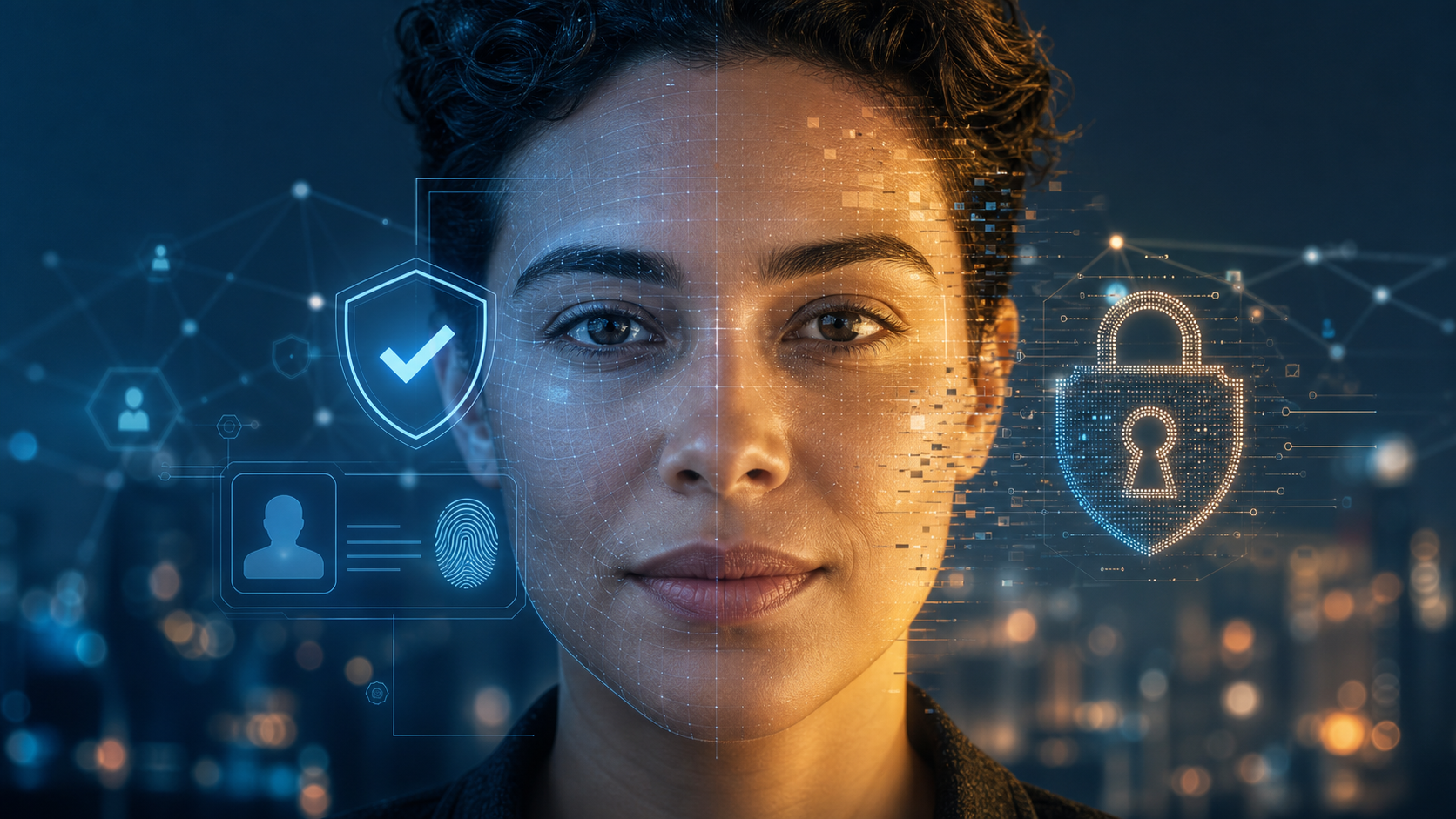
To combat the threat of identity theft, various digital identity solutions have emerged. These solutions aim to enhance security and streamline identity verification processes. For example, biometric verification methods, such as facial recognition and fingerprint scanning, have gained popularity due to their ability to provide a higher level of security compared to traditional methods like usernames and passwords.
Additionally, multi-factor authentication (MFA) has become a key element in securing online accounts. By requiring users to provide multiple forms of verification, such as a password and a one-time code sent to their mobile device, MFA significantly reduces the risk of unauthorized access. These digital identity solutions not only protect individuals but also help organizations build trust with their users.
Government Services and Digital Identity
Government agencies are increasingly adopting digital identity systems to streamline access to services. For instance, the Internal Revenue Service (IRS) has implemented digital identity verification processes to ensure that individuals can securely access their tax information online. Similarly, the Transportation Security Administration (TSA) has introduced mobile driver’s licenses, allowing travelers to present their identification digitally.
These advancements in government services highlight the importance of secure digital identities in facilitating efficient service delivery. By leveraging technology, government agencies can enhance user experience while ensuring that sensitive data remains protected. However, it’s crucial for these agencies to continuously evaluate and improve their identity management systems to stay ahead of potential threats.
Biometric Data: A Double-Edged Sword
Biometric data, such as fingerprints and facial recognition, offers a promising avenue for enhancing digital identity security. However, it also raises significant privacy concerns. While biometric authentication can provide a higher level of security, the collection and storage of biometric data must be handled with care to prevent misuse.
For example, if a biometric database is compromised, the repercussions can be far-reaching, as biometric traits are unique and cannot be changed like passwords. Therefore, organizations must implement stringent data protection measures to safeguard biometric information. Balancing the benefits of biometric data with the need for privacy is essential in today’s digital landscape.
Managing Digital Identities
Managing digital identities effectively is crucial for individuals and organizations alike. With the proliferation of online services, users often find themselves juggling multiple logins and passwords. This can lead to security vulnerabilities, as individuals may resort to using weak passwords or reusing credentials across different platforms.
To mitigate these risks, individuals should adopt best practices for managing their digital identities. This includes using secure passwords, enabling two-factor authentication, and regularly monitoring online accounts for suspicious activities. By taking proactive steps to manage digital identities, individuals can significantly reduce their risk of falling victim to identity theft.
Accessing Online Services Securely
Accessing online services securely requires a combination of robust identity verification methods and user awareness. Organizations must implement strong access controls to ensure that only authorized individuals can access sensitive information. This can involve using multi-factor authentication, biometric verification, and secure password policies.
Moreover, users should be educated about the importance of safeguarding their login credentials and recognizing potential phishing attempts. By fostering a culture of security awareness, organizations can empower users to take an active role in protecting their digital identities.
The Role of Financial Services Firms
Financial services firms play a critical role in the digital identity landscape. As custodians of sensitive financial data, these institutions must prioritize identity verification processes to prevent fraud and protect their customers. For instance, banks often require customers to provide multiple data points during the account opening process, such as social security numbers and proof of identity.
Additionally, financial services firms are increasingly leveraging advanced technologies, such as machine learning and artificial intelligence, to detect suspicious activities and prevent identity theft. By continuously monitoring transactions and analyzing user behavior, these firms can identify potential threats and take action to protect their customers.
Data Privacy Regulations
Data privacy regulations, such as the General Data Protection Regulation (GDPR) in the European Union, have significant implications for digital identity management. These regulations aim to protect individuals’ personal information and ensure that organizations handle data responsibly. Compliance with data privacy regulations is essential for organizations that collect and process digital identity data.
Understanding these regulations is crucial for both individuals and organizations. By being aware of their rights and responsibilities regarding data privacy, individuals can make informed decisions about sharing their information online. Organizations, on the other hand, must implement policies and practices that align with regulatory requirements to build trust with their users.
The Impact of Data Breaches
Data breaches can have devastating consequences for individuals and organizations alike. When sensitive information is compromised, it can lead to identity theft, financial loss, and reputational damage. For instance, high-profile data breaches involving major corporations have exposed millions of users’ personal information, highlighting the vulnerabilities inherent in digital identity systems.
Organizations must take proactive measures to prevent data breaches and protect their users’ information. This includes implementing strong security protocols, conducting regular security audits, and providing training to employees on data protection best practices. By prioritizing data security, organizations can mitigate the risks associated with data breaches and safeguard their users’ digital identities.
Online Privacy and Digital Identity
Online privacy is a critical aspect of digital identity management. As individuals navigate the digital world, they often share personal information that can be used to create detailed profiles. This data can be exploited by marketers, hackers, and other malicious actors, raising concerns about privacy and data security.
To protect their online privacy, individuals should be mindful of the information they share and the platforms they use. Utilizing privacy settings on social media accounts, being cautious about sharing sensitive information, and regularly reviewing online privacy policies can help individuals maintain control over their digital identities.
Balancing Security and Convenience
In the digital age, striking a balance between security and convenience is paramount. While robust security measures are essential for protecting digital identities, they can also create friction in the user experience. For instance, requiring multiple forms of verification can be cumbersome for users, leading to frustration and potential abandonment of online services.
Organizations must find ways to enhance security without compromising user experience. This can involve streamlining identity verification processes, implementing user-friendly authentication methods, and providing clear communication about security measures. By prioritizing both security and convenience, organizations can foster trust and encourage user engagement.
The Future of Digital Identity
The future of digital identity is poised for transformation as technology continues to evolve. Emerging trends, such as decentralized identity systems and blockchain technology, hold the potential to revolutionize how digital identities are managed and verified. These innovations aim to give individuals greater control over their personal information while enhancing security.
As we look ahead, it’s essential for individuals and organizations to stay informed about advancements in digital identity technology. By embracing new solutions and adapting to changing landscapes, we can build a more secure and trustworthy digital ecosystem.
The Role of Private Companies
Private companies play a significant role in shaping the digital identity landscape. Many organizations are developing innovative solutions to enhance identity verification processes and protect sensitive data. For instance, companies specializing in biometric authentication are creating advanced systems that leverage facial recognition and fingerprint scanning to secure online accounts.
Moreover, private companies are often at the forefront of developing data privacy solutions that comply with regulations and protect users’ information. By collaborating with government agencies and other stakeholders, these companies can contribute to building a more secure digital identity framework that benefits everyone.
The Importance of User Education
User education is a critical component of effective digital identity management. As individuals engage with online services, they must be aware of the risks associated with sharing personal information and the importance of safeguarding their digital identities. Organizations can play a vital role in educating users about best practices for online security.
Providing resources, such as guides on creating secure passwords and recognizing phishing attempts, can empower users to take control of their digital identities. By fostering a culture of security awareness, organizations can help individuals navigate the digital landscape safely and confidently.
Detecting Suspicious Activities
Detecting suspicious activities is essential for protecting digital identities. Organizations must implement monitoring systems that can identify unusual behavior, such as unauthorized access attempts or unusual transaction patterns. By leveraging advanced analytics and machine learning, organizations can enhance their ability to detect potential threats in real-time.
Additionally, individuals should be vigilant about monitoring their online accounts for signs of suspicious activity. Regularly reviewing account statements, enabling alerts for unusual transactions, and promptly reporting any discrepancies can help individuals safeguard their digital identities.
The Role of Cryptographic Keys
Cryptographic keys are fundamental to securing digital identities and protecting sensitive data. These keys are used to encrypt information, ensuring that only authorized individuals can access it. By employing strong encryption methods, organizations can enhance the security of their digital identity systems and protect users’ information from unauthorized access.
Moreover, individuals can benefit from understanding the role of cryptographic keys in securing their online accounts. Utilizing secure password managers that employ encryption can help individuals manage their login credentials safely and effectively.
The Impact of Social Media on Digital Identity
Social media plays a significant role in shaping our digital identities. The information we share on these platforms can influence how we are perceived online and can even impact our access to services. However, the casual nature of social media can also lead to oversharing, which can compromise our digital identities.
Individuals should be mindful of the information they post on social media and consider the potential implications for their digital identities. By adjusting privacy settings and being selective about what they share, individuals can better protect their online personas.

Trusting digital identities online is a multifaceted challenge that requires a comprehensive understanding of the systems and processes involved. By leveraging advanced identity verification methods, staying informed about data privacy regulations, and adopting best practices for managing digital identities, individuals and organizations can navigate the digital landscape securely. As technology continues to evolve, fostering trust in digital identities will remain a critical priority in our increasingly interconnected world.

Q1: What are the key elements of a secure digital identity?
A1: A secure digital identity typically includes strong passwords, multi-factor authentication, biometric verification, and adherence to data privacy regulations. These elements work together to protect sensitive information and ensure that only authorized individuals can access online services.
Q2: How can I protect my digital identity from identity theft?
A2: To protect your digital identity, use strong and unique passwords for each account, enable two-factor authentication, regularly monitor your accounts for suspicious activities, and be cautious about sharing personal information online. Additionally, consider using a password manager to help manage your credentials securely.
Q3: What role do government agencies play in digital identity verification?
A3: Government agencies are increasingly adopting digital identity systems to streamline access to services and enhance security. They implement identity verification processes to ensure that individuals can securely access sensitive information, such as tax records and identification documents, while protecting against identity theft and fraud.
Your Friend,
Wade