



Key Takeaways:
- AI tools and automation are reshaping job roles, demanding a blend of technical and soft skills.
- Continuous learning and adaptability are crucial for workers to thrive in an AI-driven future.
- While some jobs may face displacement, new opportunities will emerge, requiring a fresh set of skills.
The AI Revolution: A Comedic Introduction
Picture this: a world where robots serve your coffee, and your boss is a friendly AI named "Bob." Sounds like a sci-fi movie, right? Well, welcome to the AI revolution! As artificial intelligence and automation become more prevalent, they’re not just changing the way we work; they’re flipping the job market on its head like a pancake at a Sunday brunch. From data entry clerks to medical professionals, every job category is feeling the heat of AI’s sizzling skillet.
But before you start imagining a future where humans are lounging on the beach while robots do all the work, let’s dive into how these AI tools and automation are reshaping specific jobs and the skills required to thrive in this brave new world. Spoiler alert: it’s not all sunshine and rainbows, but there are plenty of silver linings!
The Job Market Shake-Up
The job market is like a game of musical chairs, and AI is the DJ spinning the tunes. As AI technologies advance, certain roles are being automated faster than you can say "machine learning." For instance, data entry tasks that once required human eyes and fingers are now being handled by AI systems that can process information at lightning speed. This shift is not just about efficiency; it’s about redefining what it means to work in the 21st century.
But don’t start packing your bags for an early retirement just yet! While some jobs may vanish like socks in a dryer, new job opportunities are popping up like daisies in spring. The demand for AI specialists, data scientists, and machine learning engineers is skyrocketing. These roles require a deep understanding of AI development and data analysis, making them the hotcakes of the job market.
The Skills Shift: From Routine to Revolutionary
As AI tools take over repetitive tasks, the skills required in the workforce are undergoing a transformation. Gone are the days when you could coast by with just a high school diploma and a knack for making coffee. Today’s employees need a cocktail of technical skills and soft skills to stay relevant. Think of it as a buffet where you need to fill your plate with a little bit of everything.
Technical expertise in areas like data visualization and computer science is becoming increasingly important. Workers must be comfortable with AI applications and understand how to leverage these tools to enhance their productivity. But wait, there’s more! Emotional intelligence and creative problem-solving are also on the menu. After all, while AI can crunch numbers, it can’t exactly empathize with your cat’s feelings when you leave for work.
The Rise of Hybrid Roles
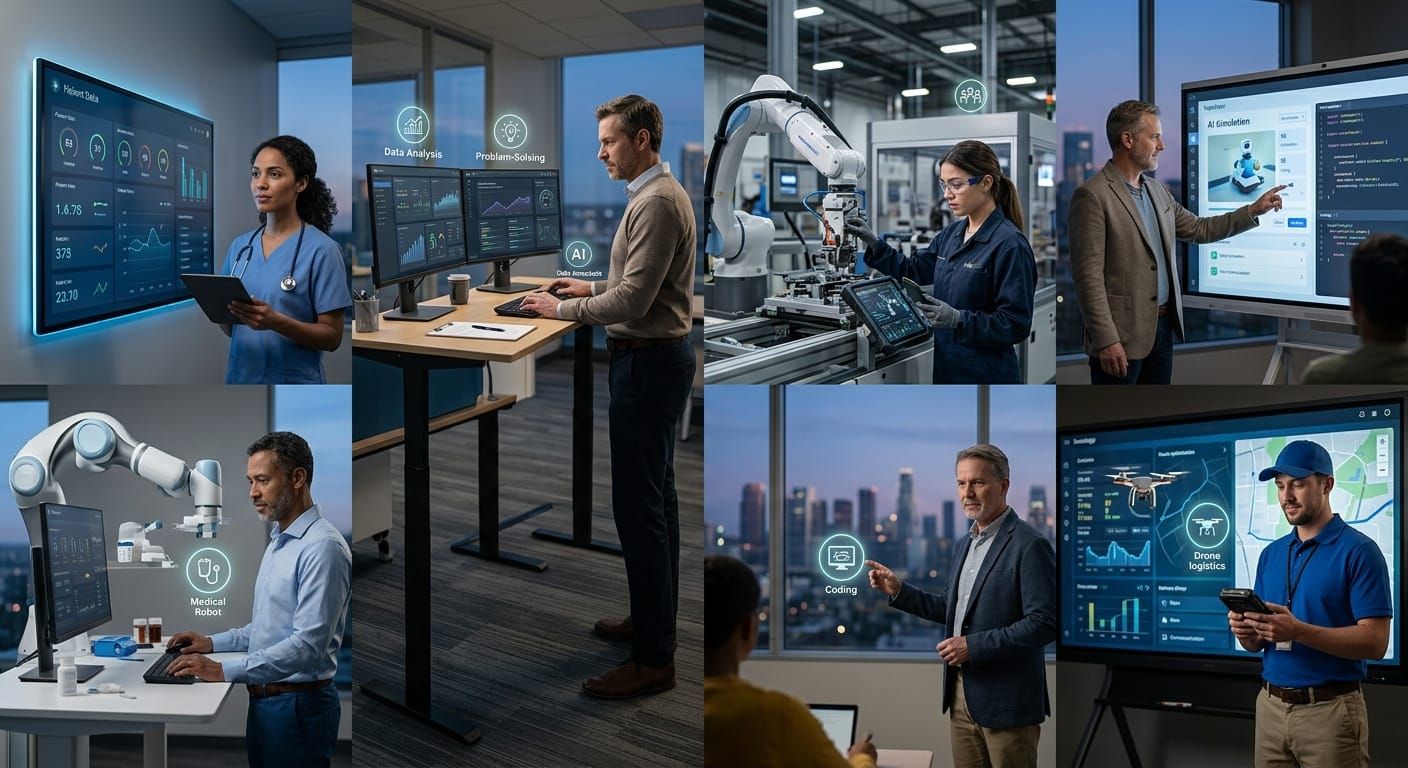
As AI continues to evolve, hybrid roles are emerging like a new species in the job ecosystem. These positions blend human capabilities with AI technologies, creating a unique skill set that’s in high demand. For example, a medical professional might need to understand AI-driven diagnostic tools while also providing compassionate patient care. It’s like being a superhero with a cape made of algorithms!
These hybrid roles require a continuous learning mindset. Employees must be willing to adapt and acquire new skills as AI tools evolve. The World Economic Forum predicts that by 2025, 85 million jobs may be displaced due to automation, but 97 million new roles could emerge that are more suited to the new division of labor between humans and machines. Talk about a plot twist!
AI Literacy: The New Must-Have Skill
In this AI-driven future, AI literacy is becoming as essential as reading and writing. Workers need to understand how AI systems operate, what data they rely on, and how to interpret the results they produce. It’s like learning to read the fine print on a contract—except this time, the fine print is written in code.
AI literacy isn’t just for techies; it’s for everyone. From teachers to truck drivers, understanding the basics of AI can help workers navigate the changing landscape of their industries. Imagine a teacher using AI tools to personalize learning experiences for students or a truck driver utilizing AI navigation systems to optimize routes. The possibilities are endless!
The Emotional Intelligence Factor
While AI can analyze data faster than a cheetah on roller skates, it lacks one crucial element: emotional intelligence. This is where human workers shine. As AI takes over routine tasks, the ability to connect with others, understand emotions, and communicate effectively becomes increasingly valuable. It’s like having a secret weapon in your back pocket!
In fields like healthcare, emotional intelligence is paramount. Medical professionals who can empathize with patients and provide emotional support will always be in demand, even as AI tools assist with diagnostics. The human touch is irreplaceable, and that’s something AI can’t replicate—no matter how advanced it gets.
Job Displacement: The Elephant in the Room
Let’s address the elephant in the room: job displacement. As AI tools and automation become more integrated into the workforce, some jobs will inevitably disappear. Data entry clerks, for instance, may find themselves out of a job as AI systems take over their tasks. It’s like being replaced by a robot that doesn’t need coffee breaks or vacation days.
However, it’s essential to remember that while some jobs may vanish, new opportunities will arise. The key is to stay ahead of the curve and be proactive about acquiring new skills. Upskilling and reskilling will be crucial for workers looking to thrive in this changing landscape. Embrace lifelong learning, and you’ll be well-equipped to tackle whatever challenges come your way.
The Growing Demand for Data Scientists
In the age of AI, data is the new oil, and data scientists are the drillers. As businesses increasingly rely on data analysis to drive decision-making, the demand for skilled data scientists is skyrocketing. These professionals are tasked with extracting insights from vast amounts of data, helping organizations make informed choices.
Data scientists need a unique blend of technical skills, including proficiency in programming languages like Python and R, as well as a strong understanding of statistical analysis. But it’s not all about crunching numbers; creative problem-solving and critical thinking are also essential. After all, data doesn’t tell a story on its own—it takes a skilled data scientist to weave the narrative.
The Importance of Continuous Learning
In this fast-paced AI era, continuous learning is the name of the game. Workers must be willing to adapt and evolve alongside technological advancements. Think of it as a never-ending game of whack-a-mole—just when you think you’ve mastered one skill, a new one pops up!
Employers are increasingly looking for candidates who demonstrate a commitment to lifelong learning. This could mean taking online courses, attending workshops, or even pursuing advanced degrees. The more skills you acquire, the more valuable you become in the job market. So, dust off those textbooks and get ready to hit the books!
AI Applications Across Industries
AI applications are popping up across various industries like popcorn in a microwave. From healthcare to finance, businesses are leveraging AI tools to streamline operations and enhance productivity. In healthcare, AI-driven diagnostic tools are helping doctors make more accurate decisions, while in finance, AI algorithms are analyzing market trends to inform investment strategies.
These applications are not just about efficiency; they’re also about improving outcomes. For instance, AI technologies can assist in patient care by predicting potential health issues before they arise. This proactive approach can save lives and reduce healthcare costs. It’s a win-win situation!
The Role of AI Ethicists
As AI continues to permeate our lives, the role of AI ethicists is becoming increasingly important. These professionals are tasked with ensuring that AI technologies are developed and implemented ethically. They navigate the murky waters of AI ethics, addressing concerns related to bias, privacy, and accountability.
AI ethicists play a crucial role in shaping the future of AI adoption. They work with organizations to establish guidelines and best practices, ensuring that AI tools are used responsibly. In a world where AI can make decisions that impact lives, having a strong ethical framework is essential.
Creative Problem Solving: The Human Advantage
While AI can analyze data and identify patterns, it lacks the ability to think creatively. This is where human workers have the upper hand. Creative problem-solving is a skill that’s becoming increasingly valuable in the workplace. Whether it’s brainstorming innovative solutions or thinking outside the box, humans excel at coming up with ideas that AI simply can’t.
In industries like marketing and design, creative problem-solving is essential for success. Professionals who can leverage AI tools to enhance their creativity will be in high demand. It’s all about finding the perfect balance between human ingenuity and AI capabilities.
The Future Workforce: A Collaborative Approach
As we move towards an AI-driven future, the workforce will increasingly rely on collaboration between humans and machines. This hybrid approach will redefine job roles and create new opportunities for workers. Imagine a world where AI tools assist employees in their daily tasks, allowing them to focus on higher-level responsibilities.
This collaborative approach will require workers to develop a deep understanding of AI technologies and how to leverage them effectively. It’s not just about using AI; it’s about working alongside it to achieve common goals. The future workforce will be a blend of human expertise and AI capabilities, creating a dynamic and innovative environment.
The Impact of AI on Job Growth
While AI may displace certain jobs, it’s also a key driver of job growth in emerging fields. As businesses adopt AI technologies, new roles will be created to support these advancements. For instance, the demand for AI specialists and machine learning engineers is on the rise, as organizations seek to harness the power of AI.
Moreover, AI can enhance productivity across various industries, leading to increased economic growth. As businesses become more efficient, they can expand their operations and create new job opportunities. It’s a cycle of growth that benefits both employers and employees.
The Skills Employees Need for the AI Era
To thrive in the AI era, employees must develop a diverse skill set that includes both technical and soft skills. Technical skills such as data analysis, programming, and AI literacy are essential for navigating the changing job landscape. However, soft skills like emotional intelligence, critical thinking, and creativity are equally important.
Employers are increasingly looking for candidates who can adapt to new technologies and work collaboratively with AI tools. This means that workers must be proactive about acquiring new skills and staying up-to-date with industry trends. The more versatile you are, the more valuable you become in the job market.
Embracing the AI-Driven Future
As we embrace the AI-driven future, it’s essential to approach these changes with an open mind. While the prospect of job displacement can be daunting, it’s also an opportunity for growth and innovation. By adapting to new technologies and acquiring new skills, workers can position themselves for success in this evolving landscape.
The key is to stay curious and committed to lifelong learning. The more you invest in your skills and knowledge, the better equipped you’ll be to navigate the challenges and opportunities that lie ahead. So, roll up your sleeves and get ready to embrace the AI revolution!
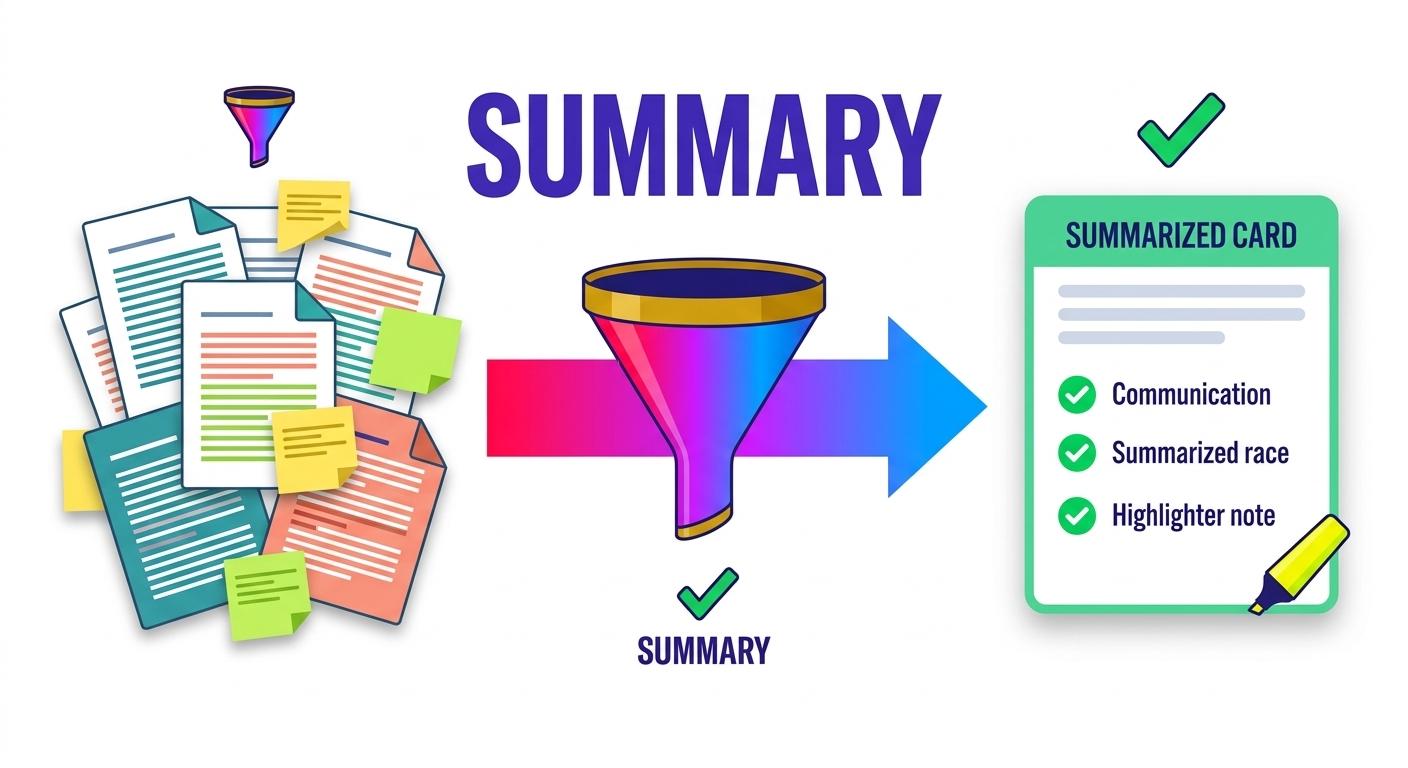
AI tools and automation are transforming the job market, reshaping roles and required skills across various industries. While some jobs may face displacement, new opportunities will emerge, demanding a blend of technical expertise and soft skills. Continuous learning and adaptability are crucial for workers to thrive in this AI-driven future. As we navigate this changing landscape, embracing lifelong learning and staying curious will be key to success.
Your Friend,
Wade
Q1: What types of jobs are most at risk of being automated by AI?
A1: Jobs that involve repetitive tasks, such as data entry clerks and assembly line workers, are most at risk of automation. However, roles that require emotional intelligence and creative problem-solving are less likely to be replaced.
Q2: How can workers prepare for the changes brought by AI?
A2: Workers can prepare by investing in continuous learning, acquiring new technical skills, and developing soft skills like emotional intelligence and critical thinking. Staying adaptable and open to change is crucial.
Q3: Will AI create new job opportunities?
A3: Yes, while some jobs may be displaced, AI is expected to create new roles in emerging fields such as AI development, data science, and machine learning. The demand for skilled professionals in these areas is growing rapidly.