


The rules of search have changed. Over 60% of Google searches now end without a click, and that number is climbing. But brands that understand the new landscape aren't panicking. They're adapting, and they're winning customers in places most marketers aren't even tracking yet.
Key Takeaways
- In 2026, roughly 68% of Google searches end with no click to the open web, yet brands are still acquiring customers through zero-click search and platform-native content that builds trust before anyone visits a website.
- The goal is not to fight the zero click trend. It's to turn ai overviews, answer engines, and social feeds into discovery and trust channels that drive real demand.
- Generative AI now sits between brands and users. Google AI Overviews, ChatGPT, Perplexity, and similar ai platforms reshape how people find and evaluate solutions. Your search strategy must shift from "get the click" to "earn the mention and the memory." Zero-click search visibility is crucial for brand recognition.
- This article covers concrete 2024–2026 examples, the specific success metrics to track, and a practical framework for building a zero-click marketing strategy in the ai era.
What Zero-Click Really Means in 2026 (And Why It's Not the End of Search)
A zero click search occurs when a user types a query into a search engine and gets an answer without ever clicking through to an external website. The answer might appear in a featured snippet, a knowledge panel, or an ai generated summary at the top of the search results page. The user reads, gets what they need, and moves on.
The data is stark. SparkToro's 2026 study reports a 68.01% zero-click rate for U.S. Google searches between January and April 2026. Meanwhile, 58.5% of US searches result in zero clicks across all devices. When google ai overviews appear on a search results page, that rate jumps even higher, with some estimates showing around 83% of those queries ending clickless. AI-generated summaries can reduce organic click-through rates by 20% to 64%.
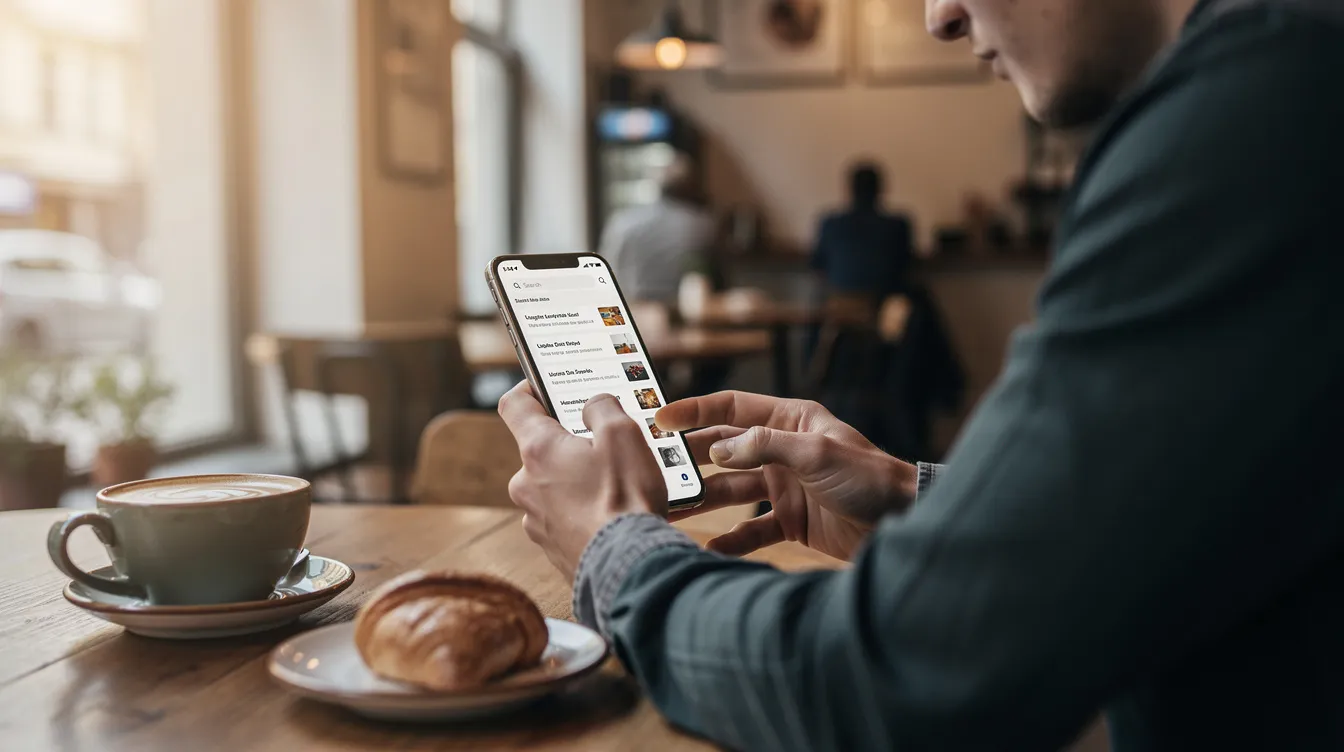
But "no click" does not mean "no exposure." Your brand name, product, or expert perspective can still appear in ai overviews, People Also Ask boxes, knowledge panels, and direct answers across search engines. Zero-click searches provide answers directly on the search results page, and your brand can be part of those answers.
This phenomenon extends well beyond the traditional search engine results page. It reaches into ai search engines like ChatGPT and Perplexity, voice assistants like Alexa and Siri, and in-app search on TikTok, YouTube, LinkedIn, and Reddit. The shift started quietly with weather widgets, calculators, and knowledge panels in the 2010s. It accelerated sharply when Google rolled out AI Overviews globally in 2024–2025, with BrightEdge measuring AI Overviews on roughly 48% of tracked searches by early 2026.
Traditional search still matters. But the search page is no longer just a list of blue links. It's an answer engine in itself.
No Clicks, Still Customers: How Zero-Click Fits Into Modern Customer Journeys
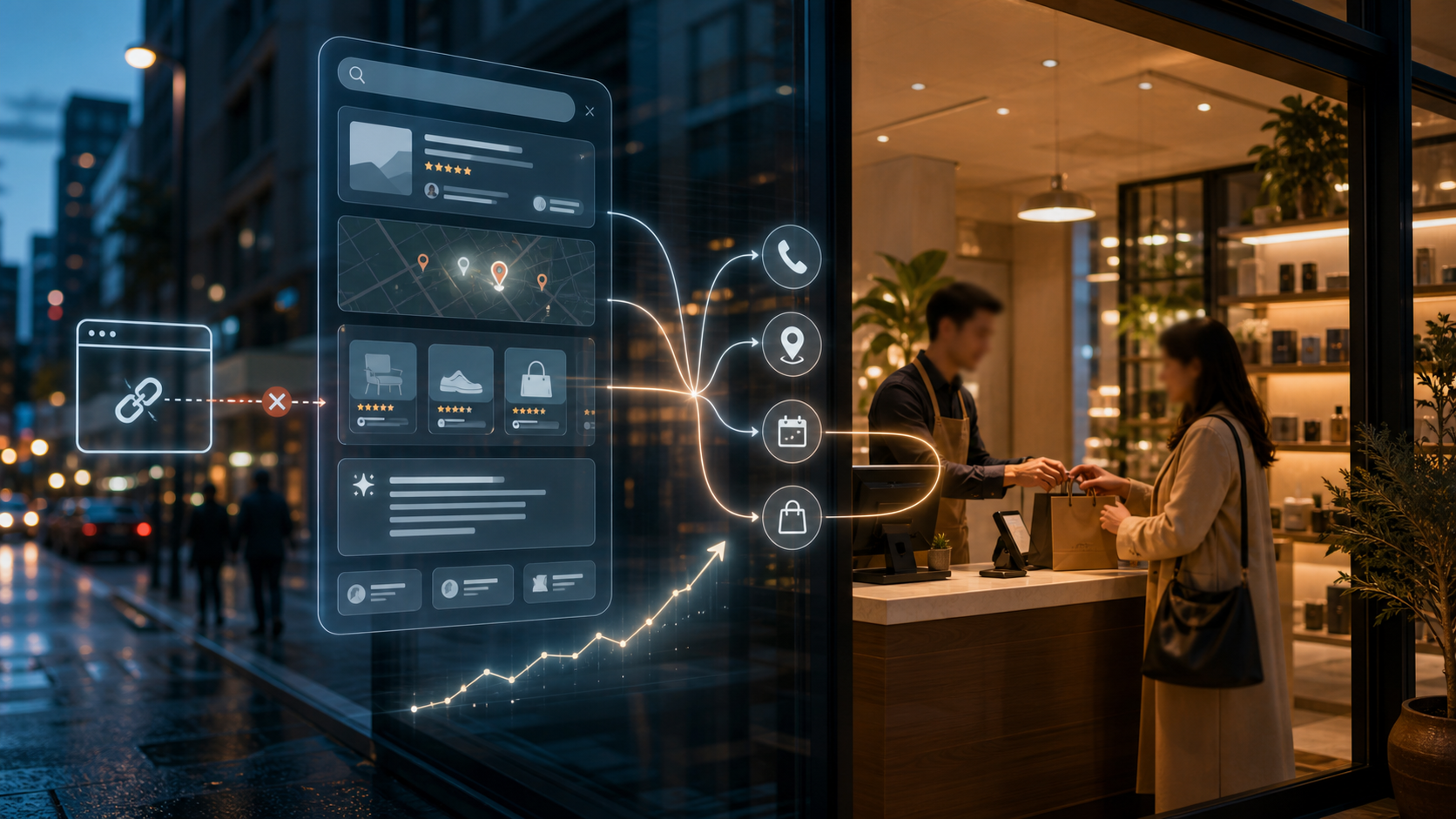
Picture a B2B buyer in mid-2026 evaluating "best SOC-2 compliant CRM for SaaS." They type it into google search and an ai generated answer appears at the top, comparing three vendors with pros, cons, and pricing ranges. Without clicking, the buyer notes Brand B. A day later, they check a Reddit thread for user stories. Later that week, they watch a six-minute YouTube review. Then they search Brand B's name directly and request a demo.
That sequence involved multiple zero click experiences early in the customer journey, yet it ended in a conversion. B2B buyers are exposed to brands before visiting their websites. The initial moments of influence happen in ai responses, featured snippets, Reddit answers, and LinkedIn carousels, all without a single click to your landing pages.
Organic search is still part of the journey. But now it's often upstream and assistive. Users see your brand name in an ai generated answer, remember it, then later search your brand directly or type your URL. Brands use zero-click strategies to drive brand recall and affinity, and those no-click touchpoints build mental availability that shows up later as branded search growth, direct traffic, and inbound requests.
The click didn't disappear. It just moved downstream.
Zero-Click Search vs Zero-Click Marketing: The Strategic Difference
These two terms sound similar, but they describe very different things. Zero click search is the user behavior: queries that get resolved on the search engine results page, inside an AI chat, through a voice assistant, or within in-app search results. It's what happens. You can't control it.
Zero click marketing is the strategy you build in response. It means designing content that delivers complete value even when nobody clicks. Zero-click marketing delivers complete information directly on social platforms or search engines. Think LinkedIn carousels that teach a framework, TikTok explainers that answer a buyer's question, Reddit posts that fully resolve a problem without linking out. Brands provide immediate, standalone value without requiring clicks.
The mindset shift looks like this: the old approach was rank high on the search engine results, earn a click, then convert on your site. The new approach is to appear in ai summaries and search results, persuade and educate immediately, and be memorable so the user comes back later through a branded search or direct visit. Zero-click strategies focus on delivering value directly at the first touchpoint, and brands shift from relying on clicks to building brand visibility natively.
In a zero click world, digital marketing success is measured by influence and recall, not just sessions and click through rates.
Making Your Brand AI-Visible: From SEO to GEO (Generative Engine Optimization)
Traditional seo focused on ranking in blue-link organic search results. Generative engine optimization extends that by structuring content to earn citations inside ai generated answers from Google AI Overviews, ChatGPT, Perplexity, and similar ai systems. Generative Engine Optimization (GEO) structures content for AI citations and makes your content the source material that large language models pull from.
Brands optimize content for AI models like Google AI and ChatGPT by focusing on several key signals. AI models and answer engines look for semantically rich content, clear structure with headings and lists, authoritative sources, and clean schema markup that helps machines understand entities and relationships.
Here are concrete on-site actions to improve ai visibility:
- Build comprehensive FAQ pages around your buyers' key problems, using question-based headings that mirror real search queries.
- Structure long form content with clear H2/H3 headings and answer-first paragraphs that resolve each question before expanding with context.
- Add structured data including FAQPage, HowTo, Product, and Organization schema so ai tools can parse your content accurately.
- Ensure each page fully addresses intent in one place rather than splitting answers across multiple thin pages.
A 220-brand audit by BGR Review found that only 18% of brands appeared in citations for category-level questions in their own niche. But brands that applied structured answer workflows lifted their citation share from a median of 4% to roughly 31% within 90 days. In the ai era, engine optimization means appearing as a cited source even when users never visit the original page. And 85% of AI search citations come from third-party sites, which means your off-site presence matters as much as your own content.
Structuring Content for Zero-Click Discovery and Answer Engines
Well-structured content is more likely to power featured snippets, People Also Ask expansions, AI Overview cards, and answer engine responses. Structured content improves visibility in zero-click environments because ai systems need clean, parseable text to extract answers confidently.
Use question-and-answer formats for core topics, especially long-tail search queries that ai tools and organic search frequently surface. For example, a page titled "How does zero-click search affect B2B lead generation?" with a direct answer in the opening paragraph is far more likely to be cited than a meandering blog post that buries the answer in paragraph twelve.
Structure matters at every level. Use H2 and H3 headings that correspond to the questions buyers actually ask. Keep paragraphs short. Use bullet lists and definitions so both users and generative ai can parse meaning quickly. Deep topical content helps brands gain recognition from ai platforms, so go deep on fewer topics rather than shallow on many.
Using schema markup enhances content's AI visibility in measurable ways. Prioritize Organization schema on your homepage, Article markup on blog content, FAQPage on resource pages, and Product or Review markup on commercial pages. Schema alone isn't a ranking hack, but combined with genuinely helpful content, it strengthens your eligibility for inclusion in ai answers and answer engine optimization surfaces.
Going Beyond Your Website: Platform-Native Content in a Zero-Click World
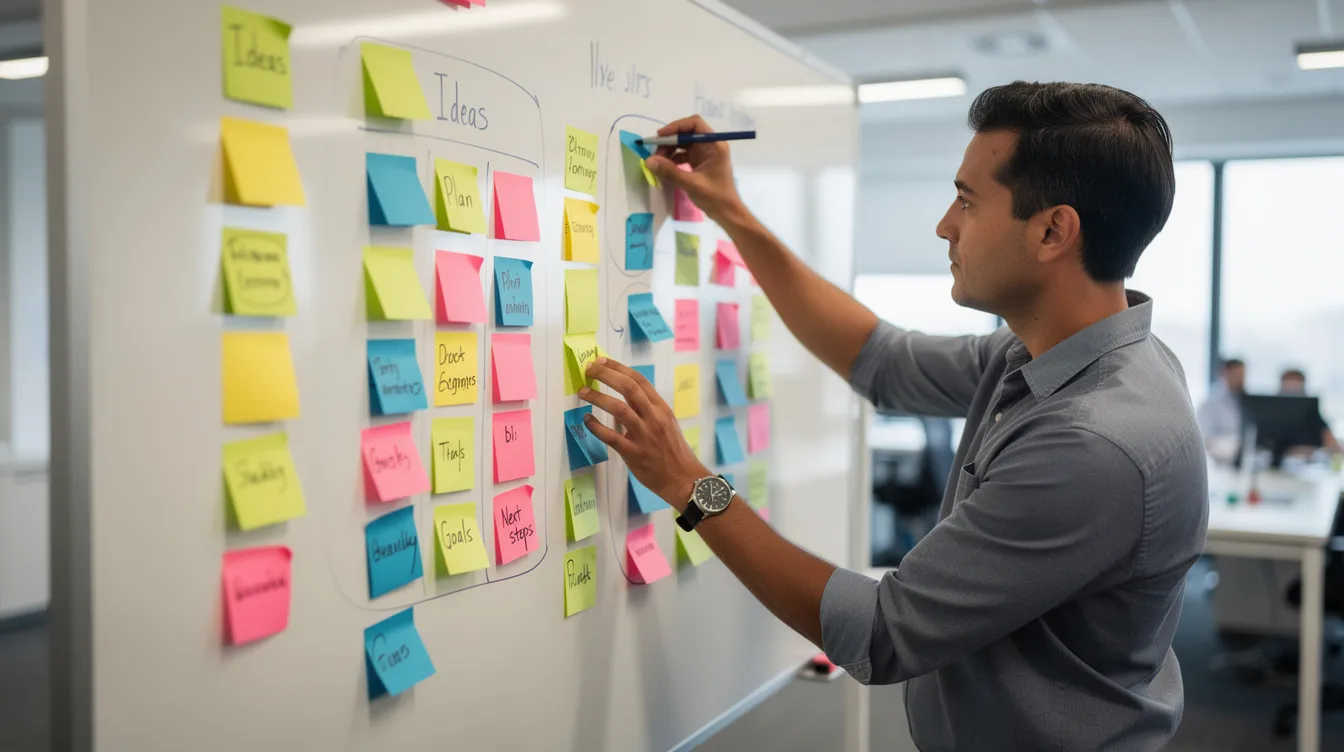
In 2026, discovery often starts on LinkedIn, YouTube, TikTok, Reddit, Quora, and industry Slack or Discord servers rather than on your blog post. Platform native content is content designed to be consumed entirely within those platforms, without ever needing a click to your site.
In-Platform Content Delivery removes the need for clicks by providing content directly on social channels. Brands prioritize participation in social forums like Reddit and Discord where buyers ask real questions and expect authentic answers. A LinkedIn carousel breaking down "5 metrics that replace CTR in a zero-click reality" can reach thousands of decision-makers who never visit your site but remember your brand when the purchase decision arrives. A ten-minute YouTube deep dive on "how google ai overviews pick sources" serves as both a seo strategy resource and a trust-builder.
Video content generates 10x more reach than static posts, and ai tools have reduced the cost of producing high-quality video content, making it accessible even for small teams. Zero-click content generates approximately 10 times the reach of linked posts, making platform-native formats one of the highest-leverage plays available.
Treat each platform as its own mini answer engine. TikTok and YouTube are where "how to" and product research happen. Reddit and Slack serve as B2B Q&A hubs where original research and real experience earn credibility. Build a multi platform presence and each surface becomes another opportunity for your brand to answer directly.
Citations, Not Just Clicks: Winning in AI Overviews and Answer Engines
In zero click experiences, the win is often being cited or named inside an ai generated answer. Brand mentions in AI overviews increase credibility without clicks. Generative ai answers frequently include brand names, URLs, or footnoted citations pulled from high-authority, well-structured sources.
BrandCited's research shows that brands cited inside an AI Overview earn roughly 35% more organic clicks and 91% more paid clicks compared to non-cited brands on the same query. Owning the AI/Answer Box establishes companies as industry experts regardless of click traffic.
The dual approach here is critical. First, strengthen your own site's authority and structure. Second, earn brand mentions on trusted third-party sites like industry publications, comparison sites, and respected media coverage that ai systems favor. Trustpilot's analysis of 800,000 AI-generated answers found that brands with 80 or more reviews appear in 75–80% of ai answers, while brands without a review profile show up in about 1%. 85% of AI search citations come from third-party sites, meaning your digital pr, partner websites, and review profiles are just as important as your own content.
The core mindset shift: optimize for the citation, not the click.
Paid Search and Branded Queries in a Zero-Click Landscape
AI overviews and answer panels are pushing both organic and paid ads further down the search page, reducing organic web traffic and lowering click through rates on many informational terms. AI-generated answers can lead to a 20% to 64% drop in organic CTR, which means your paid search strategy needs recalibration too.
Branded search and category-level terms are now key places to own your narrative. Use branded search paid ads as micro-billboards. Even when users don't click, the ad copy communicates your positioning. A SaaS company might run an ad that reads: "Trusted by 2,000+ SaaS teams. SOC-2 compliant. Free migration." That message registers even in a zero-click scan.
Focus paid budgets on high-intent and commercial search queries where ai overviews are weaker, since Google tends to protect transactional results. Treat some informational queries as awareness and messaging channels only, where the goal is impressions and lead quality improvement downstream, not immediate clicks. This approach complements your organic search and zero-click efforts.
Rewriting the Scoreboard: Metrics That Matter When Clicks Disappear
Traditional SEO dashboards built around sessions, CTR, and keyword rankings look worse in a zero click reality, even when influence is actually increasing. Focusing on bottom-of-funnel metrics helps brands track success beyond site visits. The scoreboard needs rewriting.
Build reporting around these core metrics: branded search volume over time (tracked in google search console), direct traffic quality measured in google analytics, assisted conversions from multi-touch attribution, share of voice in SERPs and ai overviews, video views and completion rates, social reach and saves, and newsletter growth tied to zero-click content touches. Zero-click content generates approximately 10 times the reach of linked posts, so impressions and engagement matter more than ever.
To approximate zero-click impact, monitor impressions in Google Search Console even when CTR is dropping. Track brand name mentions in ai generated results manually and through monitoring tools. Survey buyers with "how did you hear about us?" fields that include options like "Google AI answer," "Reddit," "LinkedIn post." 58.5% of US searches result in zero clicks, which means your reporting must account for influence that never shows up as website traffic.
Combine organic search data with CRM and attribution data to see how non-click impressions correlate with later-stage opportunities and revenue. The user behavior has changed, so your measurement must change with it.
Practical Zero-Click Playbook: What to Do in the Next 90 Days
Here's a 90-day action plan broken into three phases.
Phase 1 – Audit (Days 1–30): Inventory all search queries where you rank well but get low CTR. Identify where google ai overviews or featured snippets appear for your target topics. Log which topics buyers research early in their customer journey. Use tools like Ahrefs, google search console, and BrandCited to see where you're being cited versus competitors. Local Optimization allows businesses to present crucial information directly in searches, so audit local queries if relevant.
Phase 2 – Optimize (Days 31–60): Rewrite 3–5 key pages into comprehensive, well-structured resources with answer-first formatting. Add FAQ and HowTo schema markup. Improve clarity for long-tail, question-based queries. Ensure entity basics like brand name, products, and people are cleanly marked up in structured data. Refresh content with visible publish dates and original research where possible.
Phase 3 – Expand (Days 61–90): Commit to 2–3 platform native content experiments per week. Post one LinkedIn carousel, produce one short video, and write one deep Reddit or community answer weekly. Track engagement, saves, branded search shifts, and drive traffic patterns. This is where your blog content gets repurposed into formats that work without clicks.
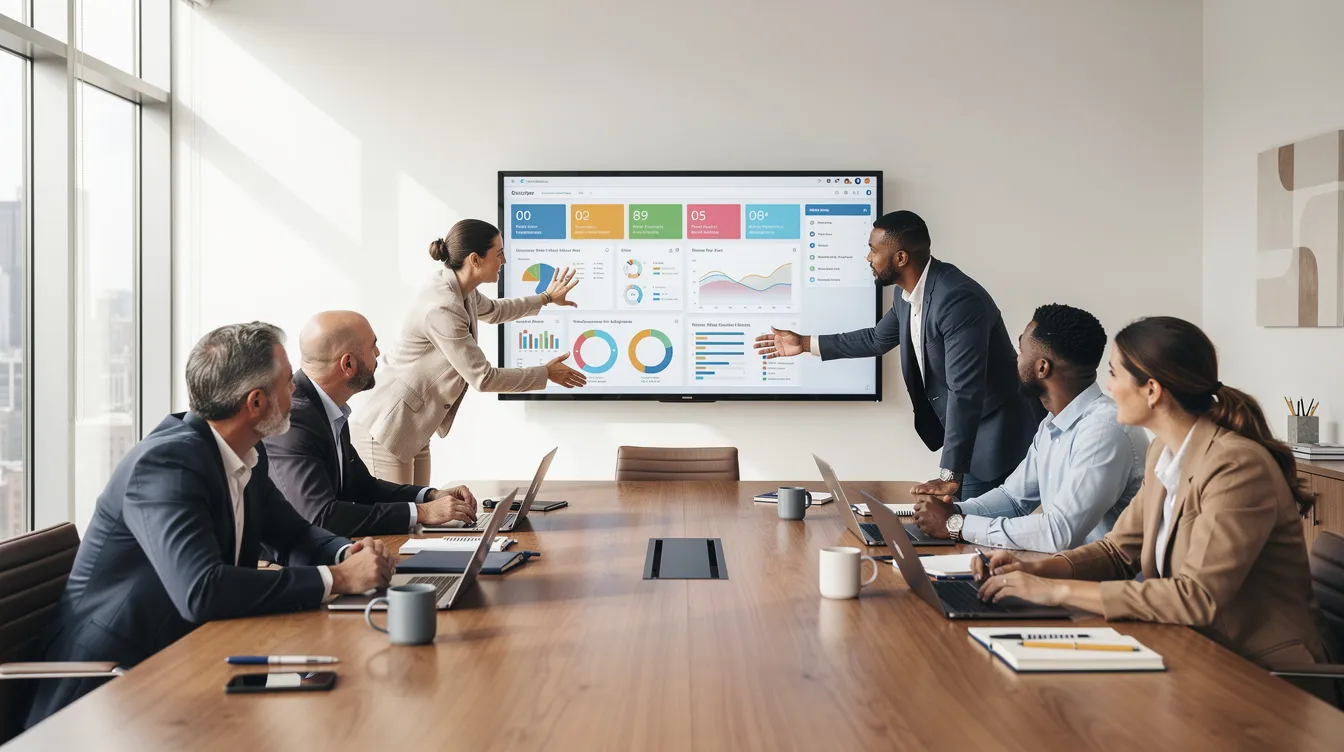
Measure citation share, branded search volume, and assisted conversions throughout. The zero click trend isn't a wake up call to abandon search. It's a signal to expand how you define it.
FAQs
Q1: Is SEO still worth investing in if most searches are now zero-click?
Absolutely. SEO is still critical, but its job has evolved. It now fuels visibility in ai overviews, featured snippets, and answer engines, not just blue-link search traffic. High-ranking, well-structured content often becomes the source material for generative ai, so strong traditional seo still drives discovery and credibility. The focus should shift toward strategic topics, schema markup, and content quality rather than chasing every keyword purely for organic traffic volume. Think of your seo strategy as the foundation that makes every other zero-click channel work.
Q2: How can I tell if my brand is appearing in AI overviews or generative answers?
Start with simple manual checks. Run your key search queries in Google, Bing, ChatGPT, and Perplexity, then note whether your brand or URL is mentioned in citations or narrative ai answers. Some PR monitoring and SEO tools are beginning to track mentions in ai summaries, but coverage is still evolving. Create a lightweight tracking spreadsheet where you log appearances, query types, and answer contexts weekly to spot patterns over time. This is the simplest way to gauge your ai visibility without expensive tooling.
Q3: What role does schema markup play in a zero-click and AI-driven search strategy?
Schema markup helps search engines and generative ai understand the entities and relationships on your site, increasing eligibility for rich results and AI Overview inclusion. Prioritize the schema types most relevant to your business: Organization, Product, FAQPage, HowTo, Article, and Review. Schema alone won't guarantee citations, but it works best when paired with genuinely helpful, well-structured content that fully answers user intent. It's a signal of clarity, not a ranking hack.
Q4: How do I justify zero-click marketing to stakeholders who only care about traffic and leads?
Reframe the conversation around revenue and pipeline, not sessions. Show how branded search growth, direct traffic quality, and inbound opportunity volume change as zero-click visibility grows. Use buyer surveys and "how did you hear about us?" fields to demonstrate that many journeys begin with instant answers, social content, or community recommendations. Some impact is invisible in google analytics but clearly visible in CRM data, branded search trends, and sales conversations.
Q5: Can AI-generated content alone win in this environment, or do I still need human-led expertise?
AI-generated drafts can accelerate production, but ai search engines and users increasingly reward original insight, experience-based perspectives, and unique data. Use generative ai as a support tool for outlines, first drafts, and repurposing while ensuring humans add opinions, case studies, and real examples that earn citations. In a world flooded with generic AI content, recognizable expertise and trustworthy brands become the primary differentiators in both zero click experiences and clicked experiences.
Your Friend,
Wade