





Introduction to AI Systems
Artificial intelligence systems are no longer just the stuff of science fiction—they’re now woven into the fabric of our everyday lives. From recommending your next favorite movie to helping doctors diagnose diseases, AI systems are transforming industries and reshaping how we live and work. These powerful tools, which include everything from simple algorithms to complex black box AI systems, are being deployed in fields as diverse as healthcare, finance, transportation, and education.
But as AI models become more sophisticated, a new challenge has emerged: the black box problem. Black box AI refers to systems whose internal workings are so complex and opaque that even their creators struggle to explain how decisions are made. This lack of transparency in black box AI models raises important questions about accountability, trust, and regulatory compliance. After all, if we can’t see inside the black box, how can we be sure that AI systems are making fair and reliable decisions?
That’s where the push for AI transparency comes in. Understanding how artificial intelligence systems work—and being able to explain their decisions—is crucial for building trust and ensuring responsible use. As black box AI systems become more prevalent, the need for clear, transparent, and accountable AI models has never been greater.
Key Takeaways:
- The AI black box problem refers to the lack of transparency in AI systems, making it difficult to understand how decisions are made.
- Ensuring transparency and trust in AI systems is crucial for their adoption, especially in high-stakes areas like healthcare and criminal justice.
- Regulatory frameworks like the EU AI Act aim to address the challenges posed by black box AI models, promoting responsible AI practices.
What is the AI Black Box Problem?
Ah, the AI black box problem! It’s like trying to figure out how a magician pulls a rabbit out of a hat—except the rabbit is your mortgage application, and the hat is a complex machine learning model. The term “black box” refers to AI systems that operate in a way that is not easily understood by humans. Deep learning algorithms and neural networks are prime examples of complex machine learning models that contribute to the black box problem, as their layered and intricate structures make their decision-making processes difficult to interpret. You feed them data, and they spit out decisions, but how they arrive at those decisions is often a mystery. This lack of transparency can lead to a host of issues, especially when the stakes are high.
Imagine you’re in a courtroom, and a judge is about to sentence someone based on an AI-generated risk assessment. The judge asks, “How did you come to this conclusion?” The AI system shrugs (if it had shoulders) and says, “I just know.” This is where the black box problem rears its ugly head. Without clear explanations, we’re left in the dark, and that’s a recipe for disaster. AI explanations are essential for transparency and trust, especially in critical systems where understanding the reasoning behind decisions is crucial.
Black box AI systems are characterized by their opaque decision-making processes, making it difficult for users to understand how inputs influence outputs, which poses significant challenges in areas like healthcare and finance.
Why Does the Black Box Problem Matter?
The black box problem is not just a quirky tech issue; it has real-world implications. When AI systems make decisions about healthcare, criminal justice, or hiring, the lack of transparency can lead to biased outcomes. For instance, if an AI model is trained on biased data, it might perpetuate those biases, leading to unfair treatment of certain groups. This is like letting a raccoon decide who gets the last slice of pizza—chaos ensues!
Moreover, the ethical implications of AI decisions can’t be ignored. If we can’t understand how an AI system arrived at a decision, how can we hold anyone accountable? This lack of accountability can create a false sense of security, making us think that AI is infallible when, in reality, it’s just as flawed as the humans who created it.
The Role of AI Transparency
Transparency in AI is like a glass of water in the desert—absolutely essential. When we talk about AI transparency, we’re referring to the ability to understand and interpret the inner workings of AI systems. This is crucial for building trust among users and stakeholders. If people can see how decisions are made, they’re more likely to trust the technology.
One way to achieve transparency is through explainable AI (XAI). This approach aims to make AI decisions understandable to humans, allowing us to peek inside the black box. Explainable AI tools play a key role in building trust and ensuring regulatory compliance by making the decision-making process of advanced AI tools more transparent. For example, if an AI model denies a loan application, it should provide a clear explanation of the factors that led to that decision. Transparency regarding the input data and data sources used by the AI model is also essential for understanding and explaining its decisions, ensuring fairness and accountability. This not only helps users understand the process but also allows for bias detection and correction.
The EU AI Act: A Step Towards Transparency
Enter the EU AI Act, a regulatory framework designed to tackle the challenges posed by black box AI models. This legislation aims to ensure that AI systems are transparent, accountable, and trustworthy. It categorizes AI systems into different risk levels, with high-risk systems facing stricter regulations. Think of it as a traffic light for AI—green means go, yellow means caution, and red means stop!
The EU AI Act also emphasizes the importance of human oversight in AI decision-making processes. This means that even if an AI system is making decisions, humans should still be in the loop, ready to intervene if something goes awry. AI transparency regulations, such as those in the EU AI Act, directly impact organizations' operational efficiency and trust by requiring compliance measures that can affect how AI solutions are developed and deployed. It’s like having a safety net for tightrope walkers—just in case they lose their balance!
The Challenges of AI Transparency
While the push for AI transparency is commendable, it’s not without its challenges. One significant hurdle is the complexity of machine learning models. Making AI systems often involves dealing with opaque internal decision-making processes, which complicates efforts to ensure transparency and validate outcomes. Deep learning systems, for instance, can have millions of parameters, making it difficult to trace how a specific decision was made. It’s like trying to find a needle in a haystack—if the haystack were on fire!
Additionally, there’s the issue of intellectual property. Companies may be reluctant to disclose the inner workings of their AI systems for fear of revealing trade secrets. This creates a tension between the need for transparency and the desire to protect proprietary information. It’s a classic case of “you can’t have your cake and eat it too.”
The Importance of Human Oversight
Human oversight is a critical component of responsible AI practices. Even the most advanced AI systems can make mistakes, and having humans in the loop can help mitigate those errors. For example, in healthcare, AI systems can assist doctors in diagnosing diseases, but the final decision should always rest with a qualified medical professional. After all, you wouldn’t want a robot performing surgery without a human supervising, right?
Moreover, human oversight can help ensure that AI systems are used ethically. By having humans review AI decisions, we can catch potential biases and make necessary adjustments. This is particularly important in high-risk areas like criminal justice, where biased AI decisions can have life-altering consequences.
The Ethical Implications of AI Decisions
The ethical implications of AI decisions are a hot topic in today’s tech landscape. When AI systems make decisions that affect people’s lives, we must consider the moral ramifications. For instance, if an AI model denies someone a job based on biased training data, it raises questions about fairness and justice. It’s like letting a cat decide who gets to adopt a puppy—chaos and confusion are bound to follow!
Furthermore, the lack of transparency in AI systems can lead to a disconnect between technology and human values. If we don’t understand how AI makes decisions, we risk creating systems that don’t align with our ethical standards. Ensuring human understanding of AI decisions is essential, as making these decisions comprehensible helps bridge the gap between technical accuracy and the cognitive limitations of people, ultimately supporting alignment with human values. This is why it’s crucial to involve diverse stakeholders in the AI development process, ensuring that various perspectives are considered.
The Role of AI Developers
AI developers play a pivotal role in addressing the black box problem. They are the ones who design and train AI models, and their choices can significantly impact transparency. Improving transparency, accountability, and trust in AI projects often involves specialized testing and explainability solutions. By prioritizing explainable AI techniques, developers can create systems that are more understandable and accountable. It’s like being a chef who not only cooks delicious meals but also explains the ingredients and cooking methods to diners.
Moreover, AI developers should be aware of the ethical implications of their work. This means considering how their models might be used and the potential consequences of their decisions. By adopting responsible AI practices, developers can help build trust in AI technologies and ensure that they are used for the greater good.
The Future of AI Transparency
As we look to the future, the importance of AI transparency will only continue to grow. With the increasing reliance on AI systems in various sectors, ensuring that these technologies are understandable and trustworthy is paramount. This means that organizations must invest in transparent AI initiatives, fostering a culture of accountability and ethical decision-making.
Additionally, advancements in explainable AI research will play a crucial role in shaping the future of AI transparency. As we develop new techniques for interpreting complex AI models, we’ll be better equipped to understand their decisions. This will not only enhance trust but also pave the way for more responsible AI practices across industries.
The global explainable AI market was valued at USD 6.68 billion in 2023 and is projected to reach USD 24.58 billion by 2030, growing at a CAGR of 21.3% from 2024 to 2030. This rapid growth highlights the urgency of addressing transparency challenges and underscores the importance of global explainable AI for building trust and meeting regulatory requirements in critical and regulated industries.
The Impact of Black Box AI on Healthcare
In the healthcare sector, the black box problem poses significant challenges. AI systems are increasingly being used to assist medical professionals in diagnosing diseases and recommending treatments. However, when these systems operate as black boxes, it can lead to a lack of trust among healthcare providers. Imagine a doctor relying on an AI system to diagnose a patient, only to find out later that the system made a mistake. Yikes!
Moreover, the lack of transparency can hinder the ability of healthcare professionals to explain AI-generated recommendations to patients. If a patient asks why a particular treatment was suggested, and the doctor can’t provide a clear answer, it can erode trust in both the AI system and the healthcare provider. The model's training data plays a significant role in influencing AI decision-making and transparency in healthcare, as the data used to train these models can make it difficult to understand how outcomes are derived. This is why ensuring transparency in AI systems used in healthcare is crucial for patient safety and trust.
The Role of AI in Criminal Justice
The use of AI in criminal justice is another area where the black box problem raises eyebrows. AI systems are increasingly being used to assess the risk of reoffending, but the lack of transparency can lead to serious ethical concerns. If an AI model denies bail based on biased training data, it can have life-altering consequences for individuals. It’s like letting a raccoon decide who gets to go home and who stays in jail—definitely not a fair system!
Furthermore, the reliance on black box AI systems in criminal justice can lead to a lack of accountability. If a decision is made based on an AI-generated risk assessment, who is responsible if that decision turns out to be flawed? This is why it’s essential to have human oversight and transparent decision-making processes in place to ensure fairness and justice.
The Need for Bias Detection
Bias detection is a critical aspect of addressing the black box problem. AI systems can inadvertently perpetuate biases present in their training data, leading to unfair outcomes. For instance, if an AI model is trained on historical data that reflects societal biases, it may produce biased predictions. This is like letting a cat decide who gets the last piece of cake—chaos is bound to ensue!
To combat this issue, organizations must implement bias detection mechanisms in their AI systems. This involves regularly auditing AI models for potential biases and making necessary adjustments. By prioritizing bias detection, we can work towards creating fairer and more equitable AI systems.
The Importance of AI Governance
AI governance is essential for ensuring that AI systems are developed and used responsibly. This involves establishing frameworks and guidelines that promote transparency, accountability, and ethical decision-making. Think of it as the rulebook for AI—without it, we’re just playing a game of chance!
Effective AI governance requires collaboration among various stakeholders, including policymakers, developers, and users. By working together, we can create a more transparent and trustworthy AI ecosystem. This is particularly important in high-risk areas where the consequences of AI decisions can be significant.
The Role of Explainable AI (XAI)
Explainable AI (XAI) is a promising approach to addressing the black box problem. By focusing on making AI decisions understandable, XAI aims to bridge the gap between complex AI models and human users. This is like having a tour guide who explains the sights along the way—suddenly, everything makes sense!
XAI techniques can help demystify AI decision-making processes, allowing users to understand the factors that influence outcomes. For example, if an AI model denies a loan application, it should provide a clear explanation of the reasons behind that decision. This not only enhances transparency but also fosters trust among users.
The Challenges of Implementing XAI
While XAI holds great promise, implementing it is not without its challenges. One significant hurdle is the complexity of deep learning models. These models can have millions of parameters, making it difficult to trace how a specific decision was made. It’s like trying to find a needle in a haystack—if the haystack were on fire!
Additionally, there’s the issue of trade-offs. In some cases, increasing transparency may come at the expense of model performance. Striking the right balance between explainability and accuracy is crucial for developing effective AI systems. This is why ongoing research in XAI is essential for overcoming these challenges.
White Box Models and Alternative Approaches
While black box AI models often leave us scratching our heads, white box models offer a refreshing alternative. Also known as transparent or explainable AI models, white box models are designed so that users can easily follow the logic behind each decision. Think of them as open books—every step in the decision making process is visible and understandable, making it much easier to spot errors or biases.
In contrast, black box models—especially those powered by deep learning or complex machine learning algorithms—can be so intricate that their decision making processes are nearly impossible to decipher. This opacity is a major concern, especially in high-stakes situations where understanding why an AI system made a particular choice is essential.
To bridge the gap, researchers and AI developers are exploring hybrid models that combine the interpretability of white box models with the predictive power of black box AI systems. Explainable AI (XAI) is another promising approach, aiming to shed light on the inner workings of black box AI by providing clear, human-friendly explanations for AI decisions.
Regulatory frameworks like the EU AI Act are stepping in to ensure that transparency and explainability aren’t just nice-to-haves, but requirements—especially for high-risk AI systems. The Act emphasizes the importance of human oversight and responsible AI development, pushing for AI systems that are not only powerful but also trustworthy and accountable.
As AI development continues to advance, prioritizing transparency, explainable AI, and human oversight will be key to making sure that AI systems benefit society and earn the trust of those who rely on them. After all, when it comes to artificial intelligence, seeing inside the box is just as important as what comes out of it.
The Role of AI Training Data
AI training data plays a crucial role in shaping the behavior of AI models. If the training data is biased or unrepresentative, it can lead to biased outcomes. This is like trying to bake a cake with expired ingredients—no matter how hard you try, it’s not going to turn out well!
To ensure that AI systems are fair and equitable, organizations must prioritize the quality of their training data. This involves carefully curating datasets and regularly auditing them for potential biases. By focusing on high-quality training data, we can work towards creating more trustworthy AI systems.
The Importance of Regulatory Compliance
Regulatory compliance is essential for ensuring that AI systems are developed and used responsibly. As AI technologies continue to evolve, regulatory frameworks like the EU AI Act aim to address the challenges posed by black box models. This legislation emphasizes the importance of transparency, accountability, and human oversight in AI decision-making processes.
Organizations must stay informed about regulatory requirements and ensure that their AI systems comply with relevant laws. This not only helps mitigate legal risks but also fosters trust among users and stakeholders. After all, nobody wants to be the company that gets slapped with a hefty fine for non-compliance!
The Future of AI Regulation
As AI technologies continue to advance, the future of AI regulation will likely evolve as well. Policymakers will need to adapt to the rapidly changing landscape of AI, ensuring that regulations remain relevant and effective. This may involve revisiting existing frameworks and developing new guidelines to address emerging challenges.
Moreover, international collaboration will be crucial for establishing global standards for AI regulation. As AI technologies transcend borders, it’s essential to create a cohesive regulatory environment that promotes transparency and accountability. This is like building a bridge between countries—connecting people and ideas for a better future.
The Role of Trustworthy AI
Trustworthy AI is essential for fostering confidence in AI technologies. This involves ensuring that AI systems are transparent, accountable, and aligned with human values. When users trust AI systems, they are more likely to adopt and integrate them into their lives. It’s like having a reliable friend who always has your back—trust makes all the difference!
To build trustworthy AI, organizations must prioritize ethical considerations in their development processes. This means involving diverse stakeholders, implementing bias detection mechanisms, and ensuring transparency in decision-making. By focusing on trustworthy AI, we can create systems that benefit society as a whole.
The Importance of AI Education
AI education is crucial for empowering individuals to understand and engage with AI technologies. As AI becomes increasingly integrated into our lives, it’s essential for people to have a basic understanding of how these systems work. This is like teaching someone to swim before throwing them into the deep end—knowledge is key!
By promoting AI education, we can help demystify the technology and foster informed discussions about its implications. This includes teaching individuals about the black box problem, the importance of transparency, and the ethical considerations surrounding AI. The more people understand AI, the better equipped they will be to navigate its complexities.
The Role of Public Awareness
Public awareness is essential for fostering a culture of transparency and accountability in AI. When individuals are informed about the potential risks and benefits of AI technologies, they can make more informed decisions. This is like shining a light in a dark room—suddenly, everything becomes clearer!
Organizations must prioritize public awareness initiatives, educating individuals about the implications of AI and the importance of transparency. This includes engaging with communities, hosting workshops, and providing accessible resources. By raising awareness, we can empower individuals to advocate for responsible AI practices.
The Impact of Generative AI Models
Generative AI models, such as those used in creative applications, also face the black box problem. These models can produce impressive outputs, but understanding how they arrive at those results can be challenging. It’s like watching a magician perform tricks—fascinating, but you’re left wondering how it all works!
The lack of transparency in generative AI models can raise ethical concerns, particularly when it comes to issues like copyright and intellectual property. If a generative AI model creates a piece of art, who owns the rights to that creation? This is why it’s essential to establish clear guidelines for the use of generative AI technologies.
The Role of Game Theory in AI
Game theory can provide valuable insights into the black box problem. By modeling the interactions between AI systems and human users, researchers can better understand the decision-making processes at play. This is like playing a game of chess—anticipating your opponent’s moves can help you strategize effectively!
Game theory can also help identify potential biases in AI systems, allowing for more equitable outcomes. By analyzing the incentives and motivations of AI models, researchers can work towards creating fairer and more transparent systems. This is why incorporating game theory into AI research is essential for addressing the black box problem.
The Importance of Collaboration
Collaboration among stakeholders is crucial for addressing the challenges posed by the black box problem. By bringing together policymakers, developers, researchers, and users, we can create a more transparent and accountable AI ecosystem. It’s like forming a band—each member brings their unique talents to create something greater than the sum of its parts!
Effective collaboration can lead to the development of best practices, guidelines, and standards for AI transparency. By working together, we can ensure that AI technologies are used responsibly and ethically, benefiting society as a whole.
The Future of AI Transparency Initiatives
As the demand for AI transparency continues to grow, we can expect to see more initiatives aimed at promoting accountability and ethical decision-making. This may include the development of industry standards, best practices, and guidelines for transparent AI practices. It’s like creating a roadmap for the future—guiding us towards a more responsible AI landscape!
Moreover, advancements in research and technology will likely play a significant role in shaping the future of AI transparency. As we develop new techniques for interpreting complex AI models, we’ll be better equipped to understand their decisions. This will not only enhance trust but also pave the way for more responsible AI practices across industries.
The Importance of Continuous Improvement
Continuous improvement is essential for addressing the black box problem. As AI technologies evolve, organizations must regularly assess and update their systems to ensure transparency and accountability. This is like tuning a musical instrument—regular adjustments are necessary for optimal performance!
By prioritizing continuous improvement, organizations can stay ahead of potential issues and ensure that their AI systems remain trustworthy. This involves regularly auditing AI models, implementing bias detection mechanisms, and engaging with stakeholders to gather feedback. The more proactive we are, the better equipped we’ll be to navigate the complexities of AI.
The Role of AI in Society
AI technologies are becoming increasingly integrated into our daily lives, impacting various aspects of society. From healthcare to finance, AI systems are making decisions that affect individuals and communities. This is why addressing the black box problem is crucial for ensuring that AI is used responsibly and ethically.
As we continue to embrace AI technologies, it’s essential to prioritize transparency and accountability. By fostering a culture of responsible AI practices, we can ensure that these technologies benefit society as a whole. After all, we want AI to be a force for good, not a source of confusion and mistrust!
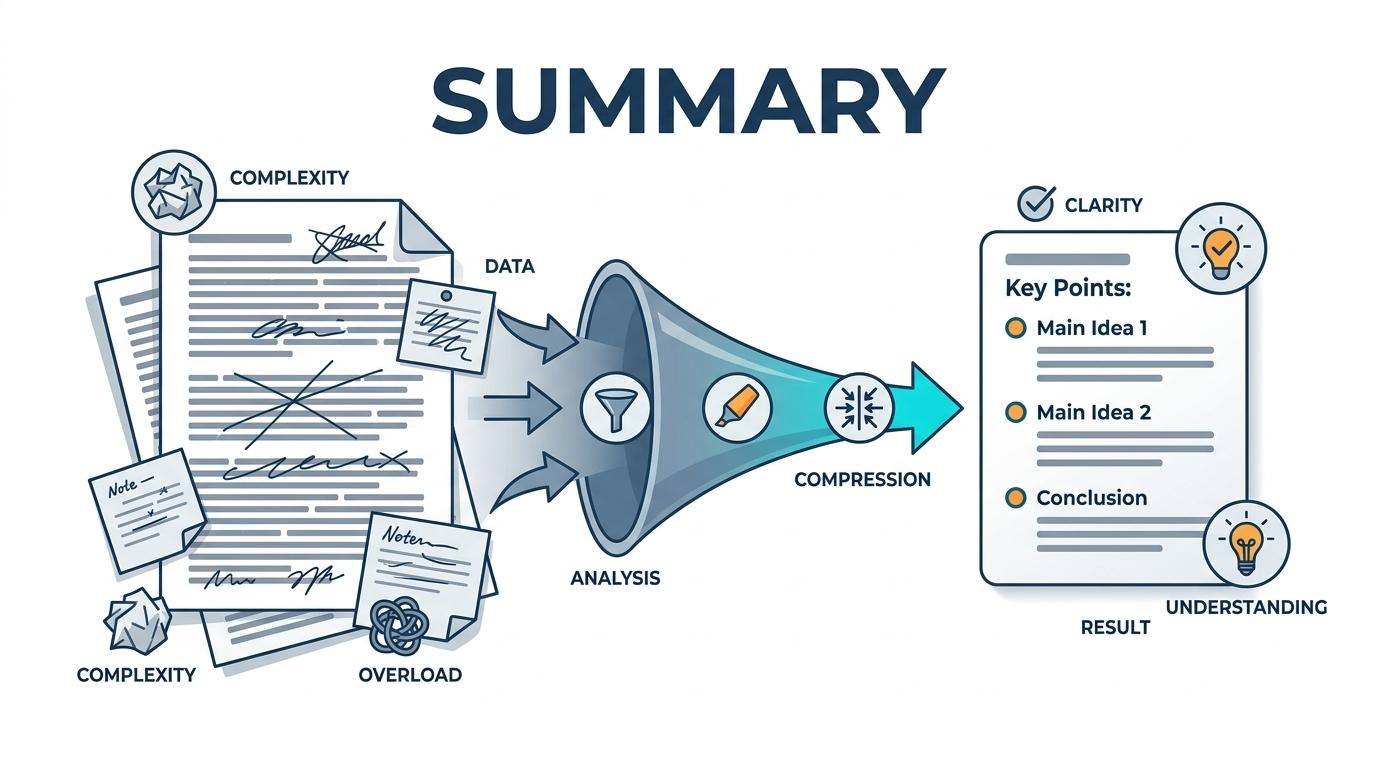
The AI black box problem presents significant challenges in ensuring transparency and trust in AI systems. As these technologies become increasingly integrated into various sectors, addressing the lack of transparency is crucial for fostering accountability and ethical decision-making. Initiatives like the EU AI Act aim to promote responsible AI practices, while advancements in explainable AI research hold promise for demystifying complex models. By prioritizing human oversight, bias detection, and collaboration among stakeholders, we can work towards creating a more transparent and trustworthy AI ecosystem.
Your Friend,
Wade

Q1: What is the AI black box problem?
A1: The AI black box problem refers to the lack of transparency in AI systems, making it difficult to understand how decisions are made.
Q2: Why is AI transparency important?
A2: AI transparency is crucial for building trust among users and stakeholders, especially in high-stakes areas like healthcare and criminal justice.
Q3: How can organizations address the black box problem?
A3: Organizations can address the black box problem by implementing explainable AI techniques, prioritizing human oversight, and ensuring regulatory compliance.