





A cafe at the edge of the world is a simple idea with unusual power: a small cafe, far from ordinary life, where someone finally has to ask what matters. Across books, podcasts, fantasy stories, and food writing, the setting becomes a place to pause, sit, listen, and rethink the journey.
Quick Answer: What Is the “Cafe at the Edge of the World” About?
The phrase cafe at the end of the world usually points first to john strelecky and his bestselling self help book, The Cafe on the Edge of the World: A Story About the Meaning of Life. It is about a stressed man who finds a mysterious roadside cafe and is confronted with three unusual questions about purpose, death, and fulfillment.
The idea has also spread into unrelated creative works: fantasy novels, a podcast, and even a Scandinavian baking cookbook. Some are directly connected to Strelecky’s why cafe universe; others simply use the same powerful image of a small cafe at the edge of the world.
The core theme across these works is asking the right questions: Why are you here? Do you fear death? Are you fulfilled? The answer is not handed to readers; it is discovered through self discovery, perspective, and meaningful choices.
This article covers:
- John Strelecky’s original book and john’s messages
- Other cafe at the end\\dge stories and similar books
- A Scandinavian baking cookbook built around food, ritual, and Midsommar
- The podcast that keeps the meaning of life conversation alive
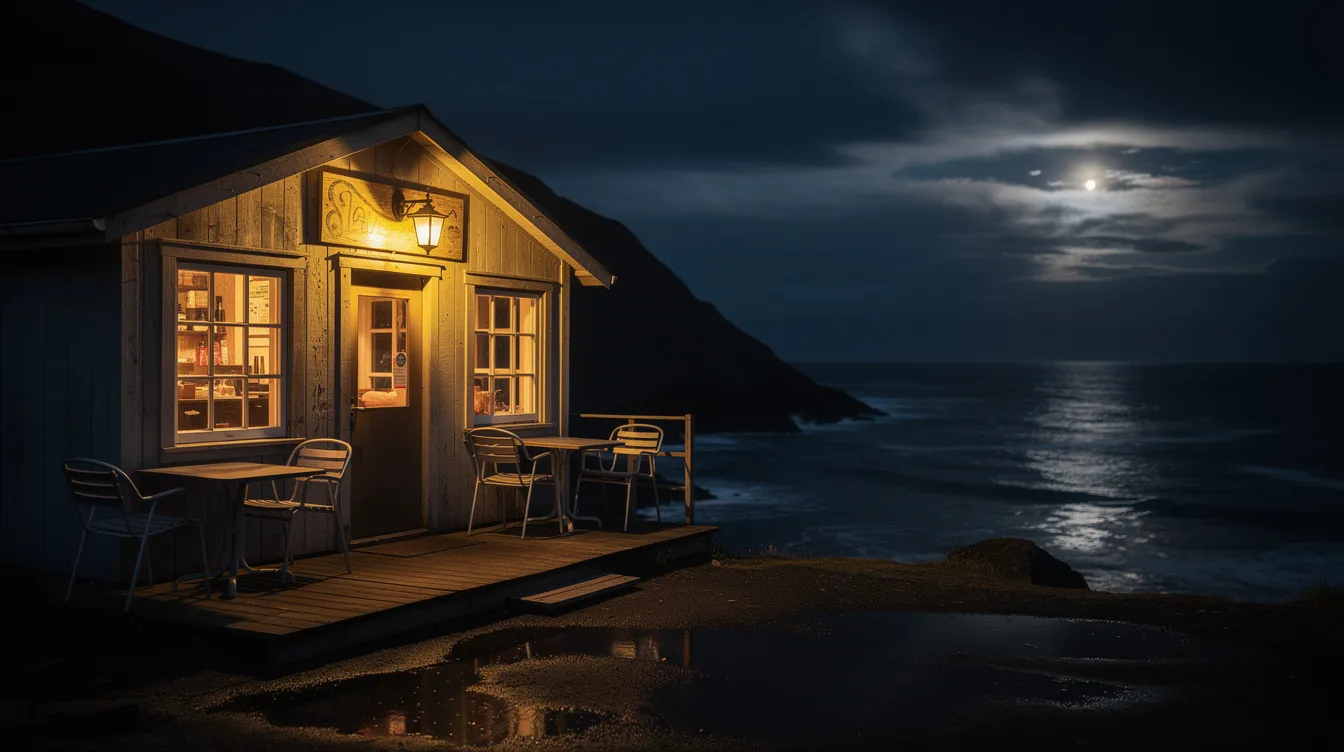
The Cafe on the Edge of the World by John Strelecky
The Cafe on the Edge of the World: A Story About the Meaning of Life is a modern classic in personal development literature. First published in 2003, it has sold over 6 million copies worldwide, been translated into more than 45 languages, and is often marketed as a #1 bestseller in meaning of life and self-help categories. That forty five languages reach helped the book win bestseller attention around the world.
The plot follows John, a stressed and overworked advertising executive who decides to take a road trip to escape his unfulfilling daily routine. After getting lost, he arrives at a tiny roadside cafe on the edge, a small cafe that feels both ordinary and impossible.
On the menu he finds three questions:
- “Why are you here?” - a question about purpose, not location.
- “Do you fear death?” - a challenge to face whether life is being lived fully.
- “Are you fulfilled?” - a test of whether success is internal or borrowed from others.
The book The Cafe on the Edge of the World presents three fundamental questions that prompt self-reflection: Why are you here? Do you fear death? Are you fulfilled?
Strelecky blends simple writing with inspired thought. Like The Alchemist, the story uses fable-like conversations, but the setting stays grounded in an American road-trip world. The cafe on the edge becomes a liminal space between ordinary life and a wider perspective.
The narrative is short, engaging, and often read in one sitting. That makes it a popular gift for graduations, retirement, career changes, or anyone who has wondered whether they are supposed to live life differently. Readers have described the book as a catalyst for self-discovery, helping them to rethink their lives and find deeper meaning and purpose.
Key Themes: Purpose, Death, and Fulfillment
The power of the cafe on the edge story lies more in its unusual questions than in plot twists. The core concept of the book revolves around finding your Purpose For Existing (PFE).
Finding Your Purpose is the first step to a happy, meaningful life. Knowing your purpose helps filter out life’s distractions and enhances decision-making. Defining your Personal Fulfillment Endeavor is essential for spending time and energy on what matters most.
The book encourages questioning external expectations and societal pressures that lead to chasing money and status. Most people wander through life on autopilot, chasing societal definitions of success rather than identifying what truly brings them joy.
Strelecky also attacks the rat race directly. The narrative urges breaking the loop of buying things to compensate for an unfulfilling job by finding work that brings genuine satisfaction. The book’s core philosophy centers on making intentional, authentic choices and stepping off the rat race treadmill.
True fulfillment does not come from material accumulation or meeting the expectations of others, but from internal alignment with passions. True fulfillment comes from living authentically and engaging in what makes you genuinely happy, not merely from societal standards.
Strelecky reframes the fear of death as a fear of not truly living, suggesting that those who pursue their passions do not fear the end of life. Living fully today eliminates the fear of death, which often stems from leaving life unlived. Avoiding delayed gratification and starting to live your ideal life now is advocated in the book.
The book teaches a lesson about energy management using the metaphor of a green sea turtle swimming in the ocean. John learns not to waste energy fighting every current. The narrative includes deep conversations that lead John to undergo a complete mindset shift regarding his life choices.
The book illustrates that small insights and gradual shifts can significantly alter one’s life path. Transformation can begin with small, daily insights and shifts in perspective rather than drastic life changes. Living in the present encourages mindfulness and full appreciation of life rather than rushing through it.
The narrative emphasizes that individuals are the ultimate authors of their life story and can regain control by changing perspectives. It frames the world a story in progress, where each reader is both protagonist and author.
John Strelecky: The Author Behind the Cafe
John Strelecky is the #1 bestselling inspirational author of several books, including The Cafe on the Edge of the World, which has sold over 12 million copies worldwide and has been translated into 45 languages. His first book was inspired by a life changing event he experienced at the age of thirty-three, leading him to write a story that has resonated with readers globally.
Before that beginning, Strelecky spent extensive time on extended trips through places such as south america, the amazon basin, and se asia. Those travels helped turn one personal question into writings that inspired millions.
John Strelecky has been recognized as one of the top 100 most inspirational thought leaders in the field of leadership and personal development, alongside figures like Oprah Winfrey and Tony Robbins. He has also been honored alongside oprah winfrey in discussions of inspiring people and modern influence.
His other books include Return to the Why Cafe, Life Safari, and works connected to the “Big Five for Life” idea. If you read similar books, you will notice the same thread: ask better questions, make intentional choices, and stop waiting for permission.
Strelecky continues to share talks, interviews, and digital content, globe inspiring people to make life a journey rather than a checklist. Learn more from John Strelecky’s official book page.
Other “Cafe at the Edge of the World” Stories and Adaptations
The phrase cafe at the edge of the world has inspired multiple, unrelated creative works beyond Strelecky’s first book. Some readers hear it and expect the why cafe; others find fantasy, romance, podcasts, or cookbooks.
The pattern is consistent: a small, intimate cafe is set against vast stakes. The world may be ending literally, emotionally, or spiritually. Either way, the cafe gives three people, or sometimes one lost person, enough space to ask the right questions.
Pay attention to whether a title is directly related to Strelecky or is an independent story using a similar idea.
That distinction matters if you are interested in philosophical self-help rather than character-driven fiction.
Fantasy Fiction: Riders of the Apocalypse and the Cosy Cafe
Helen Comerford’s upcoming The Cafe at the End of the World is a different kind of story. It features Lydie, the daughter of Death and a retired Rider of the Apocalypse, who wants a quiet life running a cosy cafe at the end.
Kai, the son of War and an active Rider, arrives with plans that threaten Lydie’s peace and the wider world. The book mixes identity secrets, family legacy, romance, humor, and non-cosy danger.
Lydie hides who she is, handles everyday cafe problems, and prepares for events like the Autumn Fayre while apocalypse-level threats build outside. This is not a self help book, but it still circles back to choice, courage, and destiny.
Readers who want fantasy should not wait for a philosophical lecture. This title leans into character, banter, and magical stakes. You can find listing details through Google Books.
Worldbuilding at the Edge of the World
Many cafe on the edge stories rely on atmosphere. The cafe often sits between realms: life and death, ordinary time and eternity, the mundane and the magical.
Authors use concrete details to make big ideas easier to feel. Think coffee, fresh bread, fogged windows, mismatched chairs, and an endless green sea beyond the glass. These details make fate and cosmic responsibility feel as familiar as pouring tea.
In Strelecky’s book, the menu becomes symbolic. In fantasy examples, warm interiors contrast with the literal end of the world outside. In both cases, the setting supports the story about the meaning of life without needing heavy explanation.
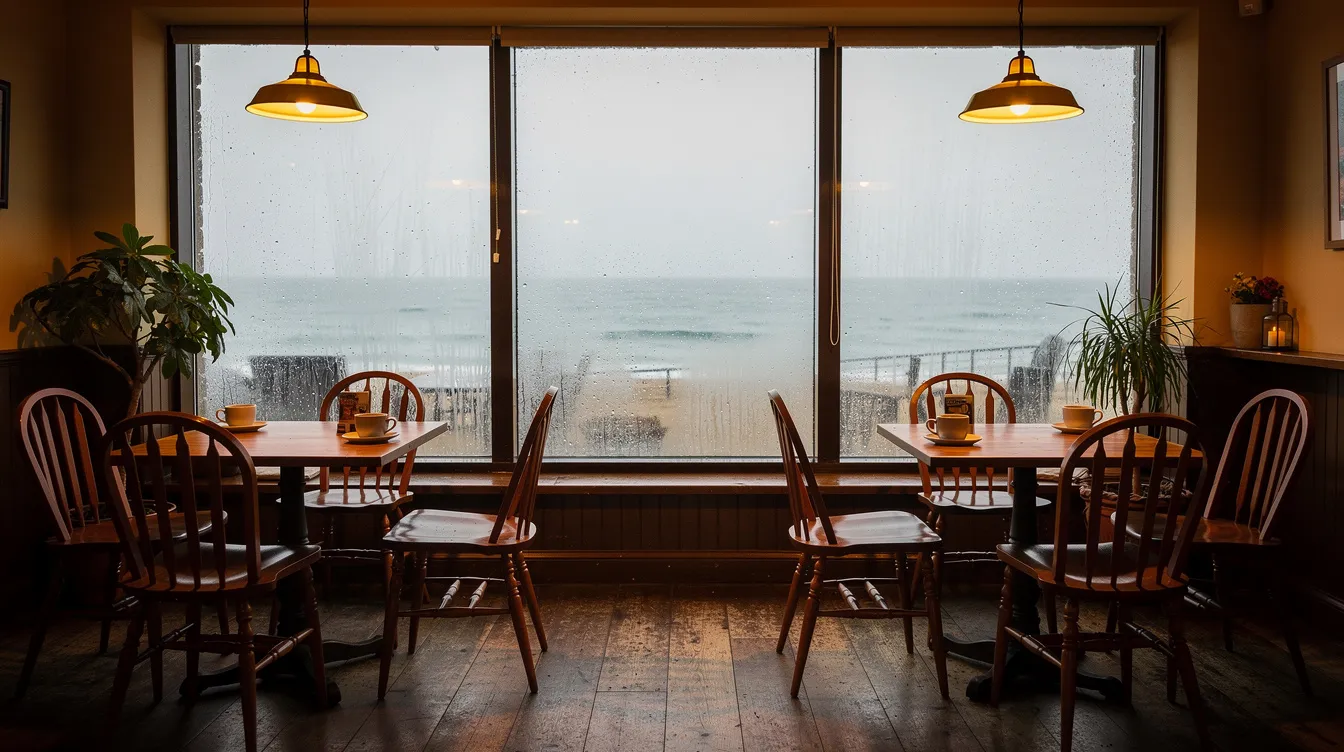
Cafe at the Edge of the World: Scandinavian Baking and Midsommar Culture
Cafe at the Edge of the World: Cookies, Cakes and Breadbaking Recipes from Scandinavia uses the title differently. It frames a journey through Nordic baking traditions, especially Swedish and Scandinavian recipes.
Swedish baking traditions include a variety of recipes for cookies, cakes, and aromatic breads that are often shared during communal celebrations. Food holds significant importance in Swedish culture, symbolizing community, bounty, gratefulness, and love.
Midsommar, a traditional Swedish celebration, has been celebrated for centuries and involves specific foods and recipes that are integral to the festivities. Expect the feeling of kanelbullar, cardamom cookies, dense rye breads, enamel cups, wildflowers, wooden tables, and candlelight.
This cookbook is less about existential philosophy and more about how everyday rituals give life texture and meaning. Baking, sharing cake, and gathering with others can become quiet examples of how to be present.
More publication details are available from Edmonds Bookshop.
Signature Recipes and Their Stories
Each signature recipe is typically paired with a short cultural note or memory. That turns the cookbook into a gentle narrative, not just a list of instructions.
Examples include Swedish drömmar cookies, soft cardamom buns, almond cakes, festive braids, and breads served during long summer evenings at the edge of the world, geographically and metaphorically.
The contrast is the charm. “End of the world” sounds grand, but the real meaning may be in kneading dough, icing cookies, and passing a plate across the table.

The Cafe on the Edge of the World Podcast and Audio Spin‑Offs
The Cafe on the Edge of the World podcast is an audio extension of Strelecky’s themes. It invites listeners to metaphorically sit in the cafe and explore mental health, intuition, creativity, and the meaning of life.
Episodes blend humor, personal stories, and practical advice for living purposefully in a complex world. New episodes typically appear monthly, keeping the conversation active for readers who want more than the original book.
Guests have included Cyndi Dale, Julie Ryan, Gillian Harvey, Dr. Amy Robbins, Ryan Levesque, and Karin Kuschik. You can browse episodes on Apple Podcasts.
Conversations on Intuition, Energy, and the “Right Questions”
Many guests blend science, spirituality, and coaching. The shared focus is learning to ask the right questions before rushing toward the wrong answer.
Cyndi Dale’s episode explores energy medicine, intuition, finding your tribe, and acknowledging life’s end without paralysis. Julie Ryan discusses psychic mediumship, energetic healing, and how intuitive insights can intersect with medical and mental health contexts.
Karin Kuschik’s message is practical: precise questions can defuse conflict, reveal intent, and help you decide who gets emotional access to your life. These conversations echo the original cafe questions but apply them to relationships, stress, and daily choices.
Episodes on Creativity, Change, and Life’s Crossroads
Other episodes focus on creativity, resilience, and change. Gillian Harvey shares insights on writing, rejection, humor, and becoming a voice of hope.
Dr. Amy Robbins integrates clinical psychology with spirituality to deepen emotional awareness, connection, and satisfaction. Ryan Levesque discusses bold decisions at crossroads, treating life as phases or “levels,” and creating a personal blueprint for change.
The podcast keeps returning to one idea: your life is still being written. Even near the edge of the world, a new chapter can begin.
Why “Cafe at the Edge of the World” Resonates: Meaning of Life in Everyday Spaces
The cafe at the edge of the world resonates because it makes huge questions feel human. Death, destiny, purpose, and fulfillment become easier to face when they arrive with coffee, pastries, and quiet conversation.
Different formats make the same point. Novels, podcasts, cookbooks, and many books about purpose show that meaning is not found only in dramatic moments. It can appear in shared food, honest words, a walk, a hard choice, or the decision to stop living for someone else’s expectations.
The end of the world can also be metaphorical. Burnout, divorce, grief, relocation, retirement, or a sudden loss can make the old life feel finished. That is often when people need a cafe most.
Not every reader will love Strelecky’s simplicity. Some may call it the worst book because it feels too direct or too brief. Others find that directness exactly what makes it useful. Reader mouth support has helped the idea spread because the questions are easy to remember.
So imagine your own cafe. Who would be there? What would be written on the menu? What answer would you be brave enough to hear?
Your life is not finished. The cafe is a place you can return to whenever you need perspective, joy, hope, and the courage to choose a more meaningful path.
Your Friend,
Wade