





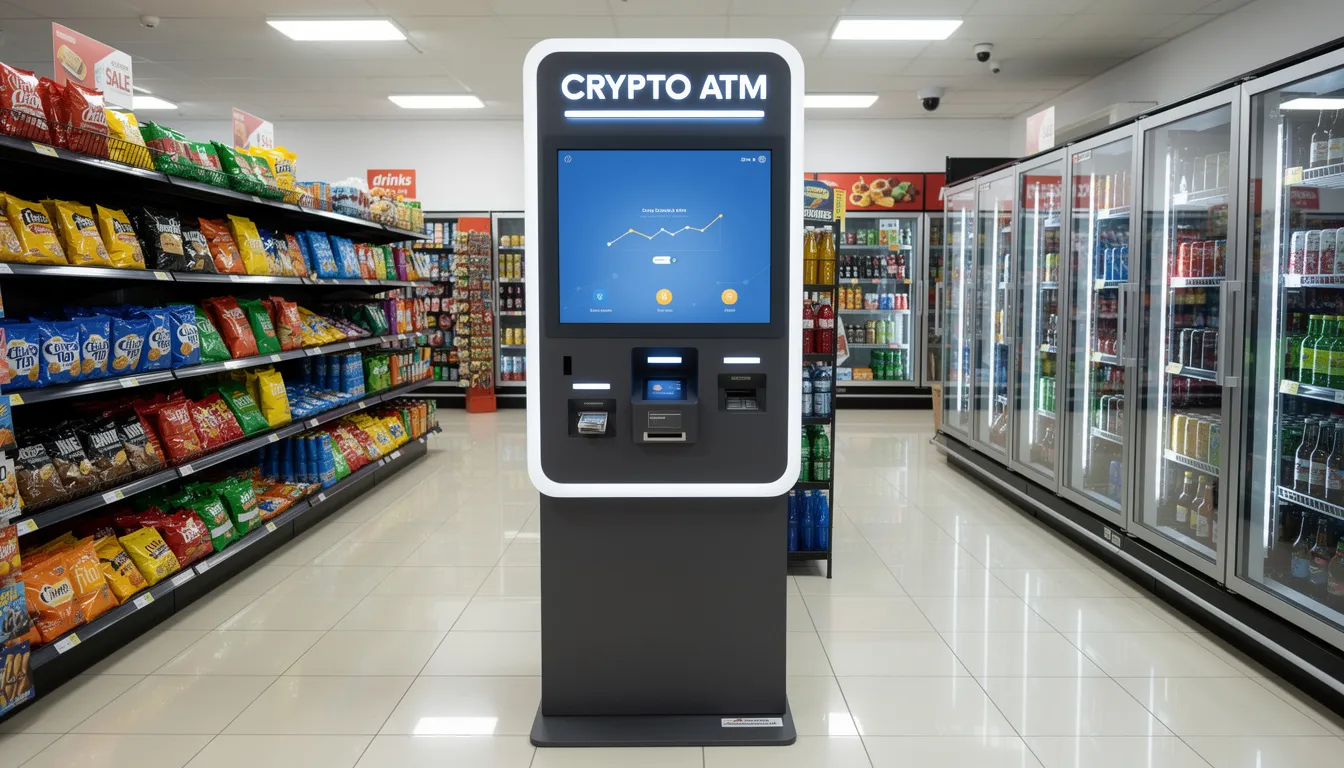
If you’ve walked into a gas station, grocery store, or liquor store recently, you’ve probably noticed those standalone kiosks that let anyone buy cryptocurrency with cash. What you might not realize is that these machines have become the preferred tool for criminals running elaborate fraud schemes that have already cost Americans hundreds of millions of dollars.
Crypto ATM scams are not slowing down. In fact, they’re accelerating at an alarming rate, with fraudsters using increasingly sophisticated tactics to trick victims—especially older adults—into feeding their life savings into machines that offer no refunds, no reversals, and no recourse.
This guide breaks down everything you need to know about the current wave of cryptocurrency ATM fraud: how these schemes actually work, who’s being targeted, what regulators are doing about it, and most importantly, how to protect yourself and your loved ones from becoming the next victim.
Fast facts: what’s happening with crypto ATM scams right now
Bitcoin ATM scams surged dramatically through 2024 and into 2025, with new data from federal agencies painting a troubling picture. The FBI’s Internet Crime Complaint Center (IC3) documented a clear and constant rise in complaints, showing that this problem is only getting worse.
Here’s what the latest numbers tell us:
2025 Crypto ATM Scam Snapshot$333.5 million in reported losses from scams involving cryptocurrency kiosks (FBI IC3, Jan–Nov 2025)Over 10,000 victims filed complaints with federal authorities in 2025 alone30%+ increase from 2024’s approximately $250 million in losses$14+ billion in total on-chain crypto scam revenue in 2025, with ATM fraud a growing slice45,000+ machines now operate across the United States80-85% of losses come from adults aged 60 and older
These virtual currency kiosks are everywhere. You’ll find them in convenience stores, grocery stores, gas stations, liquor stores, laundromats, and shopping centers. The United States hosts roughly 81% of all crypto ATMs worldwide, with installations jumping from about 4,250 in January 2020 to over 45,000 by late 2025.
The devastating impact falls disproportionately on older adults. According to FTC data, victims aged 60 and over accounted for $46 million in bitcoin ATM losses in just the first half of 2024—representing 71% of all reported losses despite being a smaller percentage of the overall reporting population.
How modern crypto ATM scams actually work in 2024–2025
The nature of crypto scams has shifted. While investment schemes and romance fraud still exist, the dominant pattern now involves high-pressure phone and text schemes that end at a nearby bitcoin depot kiosk or similar machine.
Here’s the typical flow of how these scams unfold:
Step 1: The initial contact
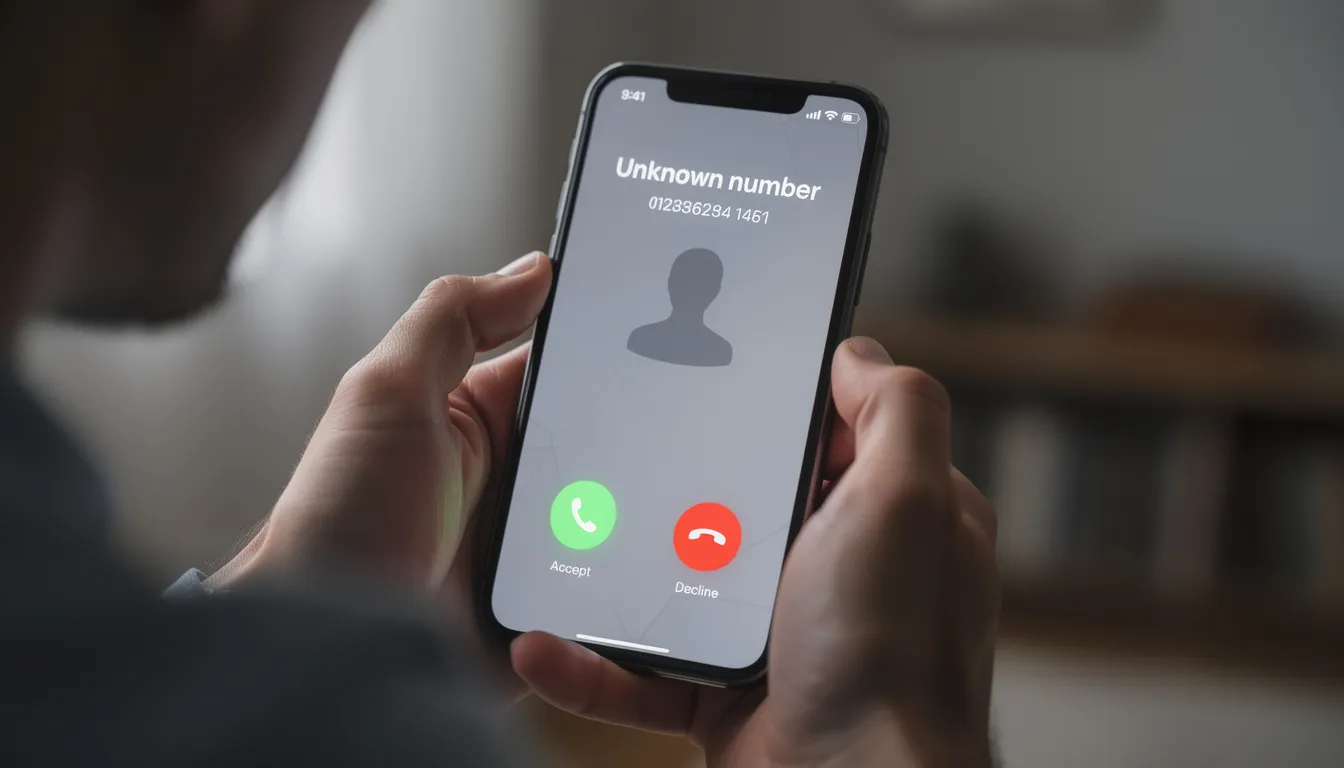
A victim receives an unexpected phone call or text message. The caller claims to be from a bank, tech support, law enforcement, the IRS, Social Security Administration, or a utility company. They use spoofed local phone numbers, real employee or officer names, and sometimes personal data they’ve purchased on the dark web to sound legitimate.
Step 2: The fabricated crisis
The caller creates immediate panic. They might claim:
- Your bank accounts have been compromised and funds are being drained
- There’s a warrant for your arrest for unpaid taxes
- Your Social Security number has been used in crimes
- Your Apple Pay or phone has been hacked
- A loved one is in jail and needs bail money immediately
Step 3: The “solution”
The scammer insists that the only safe way to protect your money is to convert cash to Bitcoin or USDT at a specific cryptocurrency ATM. They claim this is a “government-approved” or “secure” method to safeguard funds while the investigation continues.
Step 4: Real-time manipulation
This is where things get especially insidious. The caller stays on the line, directing the victim to:
- Drive to their bank and withdraw large amounts of cash
- Travel to a nearby crypto kiosk at a gas station or convenience store
- Insert cash into the machine
- Scan a QR code that the scammer provides via text or email
- Confirm the transaction
Some criminals go even further, convincing victims to install remote-access software like AnyDesk or TeamViewer. This lets scammers watch bank screens in real time and coach withdrawals while monitoring every step.
Step 5: The irreversible transfer
Once the victim confirms the transaction, the Bitcoin goes straight to the scammer’s wallet. There are no chargebacks. No holds. No reversals. The digital currency moves through multiple relay wallets within minutes, making recovery virtually impossible.
Real-world example: A scammer calls pretending to be from a major bank’s fraud department. They claim suspicious activity has been detected and the victim’s checking account will be frozen unless funds are moved to a “secure government wallet.” The victim, terrified of losing access to their money, follows instructions to withdraw $15,000 and deposit it at a bitcoin depot kiosk. Within an hour, the funds have been laundered through multiple wallets and converted through offshore exchanges.
New trends: impersonation, AI, and industrial-scale crypto ATM fraud
Crypto ATM scams in 2025 don’t operate in isolation. They’re part of a broader ecosystem of impersonation campaigns and AI-enhanced fraud networks that have industrialized the process of stealing from consumers.
Impersonation scams overall grew more than 1,400% year-over-year, according to industry reports. Many of these schemes now end with instructions to use a crypto kiosk instead of the wire transfers or gift cards that criminals previously favored.
The modern fraud toolkit
Today’s scammers blend multiple technologies and tactics:
- SMS phishing (“smishing”) campaigns that send millions of messages
- Robocalls with spoofed caller IDs matching local area codes
- Deepfake-style voice technology to impersonate authority figures
- AI language tools for writing convincing scripts in multiple languages
Bad actors can now purchase “fraud-as-a-service” kits on Telegram that bundle everything they need: scripts, spoofing tools, fake websites, and ready-made crypto wallet infrastructure. These kits lower the barrier to entry, meaning more criminals can run sophisticated schemes with minimal technical knowledge.
Once funds are collected through kiosks, scammers route them through decentralized exchanges, cross-chain bridges, and Chinese Money Laundering Networks (CMLNs) to obscure the trail and move stolen funds offshore.
Government and toll-authority impersonation schemes
One of the most widespread scam campaigns of 2024-2025 involves fake government messages about unpaid tolls. You may have received one yourself—a text claiming you owe money to E-ZPass, SunPass, or another toll authority.
These campaigns, often traced to groups like the Chinese “Darcula” network (also known as Smishing Triad), send millions of fraudulent texts claiming unpaid fines. Victims who respond are then escalated to phone calls where “agents” push them to settle immediately—via a bitcoin depot or cryptocurrency ATM.
The money laundering pipeline works like this:
- Cash is inserted at a U.S. kiosk
- Bitcoin is sent to the scammer’s wallet
- Funds move through layered relay wallets
- Money is converted through offshore exchanges
- Final proceeds reach Southeast Asia-based scam compounds
Major red flag: Any “government agency” or “court” demanding payment through a crypto ATM is running a scam. No legitimate government entity accepts Bitcoin for fines, taxes, or legal fees.
Private-sector and tech support impersonation: Apple, banks, and exchanges
Beyond government impersonation, fraudsters frequently pose as representatives from:
- Apple (claiming your Apple Pay or iCloud has been compromised)
- Major banks (alleging fraudulent transactions on your accounts)
- Crypto exchanges like Coinbase (demanding “verification deposits”)
- Tech support services (warning about computer viruses or hacks)
The “Apple Pay/phone hacked” narrative has become especially common. Callers insist that the only way to “secure” your money is to move it into Bitcoin via a specific kiosk. They claim this protects funds while Apple or your bank “investigates.”
A key manipulation tactic: scammers instruct victims not to tell bank staff or store clerks the real reason for withdrawals or deposits. They claim this secrecy is “part of the security protocol” and that speaking to anyone could compromise the investigation.
Case example: An elderly couple in their 70s received calls from someone claiming to be Apple support. The caller said their bank accounts were being drained through a compromised iPhone. Over three days, they were directed to withdraw $47,000 from their bank accounts and deposit money at various cryptocurrency kiosks. By the time family members intervened, the money was gone—sent to wallets controlled by an overseas fraud ring.
Why crypto ATM payments are so dangerous for consumers
Unlike traditional banking channels, cryptocurrency ATMs offer virtually no consumer credit protection. Understanding why these machines are so risky helps explain why criminals have made them their preferred tool.
No reversals, no recourse
When you send money through a bank wire transfer, there’s often a window where the transaction can be stopped or reversed. Credit card transactions can be disputed. Even gift card payments sometimes offer limited recovery options.
With a crypto ATM? Once you convert cash to Bitcoin or another digital currency, the transfer is final. There is no “stop payment” option. The blockchain doesn’t care that you were deceived—it simply executes the transaction.
Minimal verification requirements
Many kiosk operators allow transactions with minimal ID verification, especially under certain dollar thresholds. Scammers exploit this by keeping individual transactions below reporting limits while directing victims to make multiple deposits.
Excessive fees compound losses
Crypto ATM operators typically charge fees ranging from 10% to 20% or higher—far more than legitimate exchanges. This means victims lose money twice: first to the high fees, then to the scammers. These machines represent one of the worst ways to buy cryptocurrency even for legitimate purposes.
Lack of proactive monitoring
Unlike financial institutions that employ sophisticated fraud detection systems, many kiosk operators don’t actively monitor for suspicious patterns. An 85-year-old making repeated $2,000 deposits while visibly distressed and talking on a phone? Many machines process these transactions without any intervention.
Store employees where kiosks are located often feel powerless or untrained to step in. They may notice warning signs but lack the authority or training to intervene.
The regional and laundering angle: where your kiosk money can end up
Law enforcement tracing reveals that a significant portion of crypto ATM-derived funds flows to wallets connected to East and Southeast Asia. Specifically, money from American seniors has been linked to scam compounds and forced-labor “fraud factories” in Cambodia, Myanmar, Laos, and the Philippines.
The typical money flow looks like this:
Stage | What Happens |
|---|---|
1. Kiosk deposit | Victim inserts cash, receives Bitcoin at scammer’s wallet address |
2. Initial transfer | Funds move to scammer-controlled relay wallet |
3. Layering | Multiple hops through additional wallets to obscure origin |
4. Conversion | Funds exchanged through decentralized exchanges or bridges |
5. Cash-out | Local OTC brokers or CMLNs convert to fiat currency |
This complex web makes recovering stolen funds extremely difficult. However, blockchain analysis has enabled some major seizures—including a UK operation that seized 61,000+ BTC connected to large-scale fraud operations.
Who scammers are targeting most with crypto ATM schemes
Older adults bear the overwhelming burden of crypto ATM fraud. This isn’t an accident—it’s by design.
FBI IC3 and FTC complaint data consistently show that adults aged 60 and older represent over 80-85% of reported dollar losses tied specifically to crypto kiosk scams. Individual losses frequently exceed $10,000, with some victims losing their entire life savings.
Why older adults are targeted
Factor | How Scammers Exploit It |
|---|---|
Less crypto familiarity | Victims don’t understand the irreversibility of transactions |
Higher average savings | More money available to steal |
Trust in authority | More likely to comply with “official” demands |
Fear-based vulnerability | Panic responses override skepticism |
Social isolation | Fewer people to consult before acting |
Scammers also focus on immigrants and non-native English speakers, running multilingual scripts tailored to specific communities.
Common trigger scenarios
Criminals use these situations to create panic:
- Threatened arrest for unpaid taxes or legal issues
- Social Security suspension warnings
- Bank account freeze notifications
- Utility shutoff threats
- Loved one “in trouble” and needing bail money
- Romantic interest requesting financial help
If you have older relatives, consider having proactive conversations about these scenarios. Discuss what they should do if anyone demands urgent payment—especially involving kiosks, Bitcoin, or QR codes.

Red flags that point specifically to a crypto ATM scam
Any of these warning signs should trigger immediate action—hang up and verify independently:
🚩 Definitive Scam IndicatorsAny request to pay via Bitcoin ATM or cryptocurrency kioskCaller describes kiosks as “safe,” “secure,” or “government-approved”Caller stays on the line while you travel to a machineInstructions to not tell bank staff or store employees the real reason for withdrawalsPressure to act within minutes or face arrest, account closure, or other consequencesBeing told to withdraw cash multiple times in a single dayReceiving a QR code to scan at a machineClaims that sending money via Bitcoin will “protect” your funds
Remember this absolute rule: No legitimate company, government agency, law enforcement office, bank, tech support service, or utility company will ever demand payment via a crypto ATM or ask you to scan a QR code to send them digital currency.
What regulators, states, and law enforcement are doing about crypto ATM scams
The regulatory landscape is evolving, though not fast enough to match the scale of the problem. As of late 2025, at least 24 U.S. states have taken some form of action on crypto kiosks, with 17 passing specific consumer-protection laws.
State-level measures include:
- Daily transaction caps (some states limit deposits to $1,000 or less)
- Mandatory on-screen warning labels about scam risks
- Printed warnings on receipts and near machines
- Tighter licensing requirements for operators
- Enhanced reporting obligations for suspicious transactions
Maine’s Bureau of Consumer Credit Protection secured a notable $1.9 million settlement with Bitcoin Depot, requiring the company to reimburse victims defrauded through its machines and implement improved safeguards. This action by the attorney general’s office set an important precedent for operator accountability.
The lawsuit against Athena Bitcoin by Washington D.C.’s attorney general alleged that 93% of the company’s district transactions stemmed from fraud—a stunning figure that illustrates the scale of the problem. While Athena countered with claims of strong safeguards, the case highlights growing scrutiny of operator responsibility.
Federal responses
Federal agencies have stepped up guidance and enforcement:
- FBI and FTC have issued updated advisories warning consumers about crypto ATM scams
- FinCEN has clarified money-service-business obligations for kiosk operators
- State regulators secured new compliance requirements in multiple jurisdictions
Advocacy groups like AARP continue pushing for clearer disclosures, mandatory anti-fraud prompts, better staff training at hosting locations, and the ability to protect consumers through caps and cooling-off periods.
These developments are encouraging, but incomplete. Your personal awareness remains the first line of defense against these scams.
High-profile enforcement and seizure cases connected to crypto-funded scams
Law enforcement has demonstrated that crypto can be traced, despite its pseudonymous nature. Major operations have resulted in significant seizures:
- The UK’s National Crime Agency seized over 61,000 BTC connected to large-scale fraud operations
- DOJ actions have targeted Southeast Asian scam compounds that process funds from U.S. victims
- Cross-border task forces have frozen wallets linked to known fraud networks
These investigations rely on blockchain analytics, international cooperation, and financial crime task forces targeting organized networks—not just individual scammers. While many of these cases involve broader fraud infrastructure rather than exclusively ATM-derived funds, they use the same laundering pathways that process kiosk transactions.
The takeaway: while recovery is difficult, transferring funds through crypto doesn’t guarantee anonymity. Criminals are being caught, and some victims have received partial restitution through settlements with operators and seizure actions.
How to protect yourself and loved ones from crypto ATM scams
Here’s the most important thing you need to know:
If anyone ever tells you to use a Bitcoin or crypto ATM to send money, stop immediately—it’s a scam.
There are no exceptions. No legitimate business, bank, government agency, or tech company will ever direct you to deposit money at a cryptocurrency kiosk.
The “Pause–Verify–Protect” framework
Follow these steps if you receive any urgent payment demand:
Step | Action |
|---|---|
1. Pause | Hang up immediately. Do not stay on the line. |
2. Verify | Look up the official number for the organization that supposedly called. Call them directly. |
3. Consult | Talk to a trusted friend, family member, or financial advisor before taking any action. |
4. Report | Contact local law enforcement or your bank if you feel you’ve been targeted. |
Additional protective measures
- Enable call-blocking on phones to filter spam and spoofed numbers
- Ignore unknown callers—legitimate organizations will leave voicemails
- Set up bank alerts for withdrawals and large transfers
- Discuss scenarios proactively with older relatives, rehearsing what to do if they receive urgent payment demands
A word about legitimate crypto purchases
If you want to buy cryptocurrency legitimately, avoid kiosks entirely. Use regulated exchanges that provide clearer disclosures, better fee structures, and some level of recourse. The high fees at cryptocurrency kiosks make them a poor choice even when no fraud is involved.
What to do if you’ve already used a crypto ATM in a scam
If you’ve lost money through a kiosk scam, take immediate action:
Step 1: Stop all communication with the scammer
End any ongoing calls, texts, or remote access sessions. Do not send any additional money, regardless of what they threaten.
Step 2: Document everything
- Keep all receipts from the crypto ATM
- Screenshot any text messages, emails, or QR codes
- Write down dates, times, phone numbers, and the kiosk location
- Note everything you remember about the conversation
Step 3: Secure your accounts
Contact your bank immediately, especially if scammers had remote access to your devices or saw your account balances. Change passwords on all financial accounts and enable two-factor authentication.
Step 4: File official reports
- Contact local law enforcement to file a police report
- Submit a complaint to the FBI Internet Crime Complaint Center (IC3)
- Report the incident to the FTC
- Contact your state attorney general’s consumer protection office
Some state regulators have arranged partial reimbursements from kiosk operators for scam victims. Filing reports creates documentation that may help in future restitution efforts.
Step 5: Seek support
Being scammed is emotionally devastating. Nonprofit fraud-help hotlines and support groups offer both practical guidance and emotional assistance. You’re not alone, and this wasn’t your fault—these criminals are professionals who know exactly how to manipulate people.
While recovering funds sent via crypto ATM is extremely difficult, timely reporting helps law enforcement trace patterns, build cases against fraud networks, and potentially aid future restitution efforts in larger enforcement actions.
Key takeaways
- Crypto ATM scams stole over $333 million in reported losses through late 2025, with actual figures likely much higher
- Adults 60+ account for over 80% of losses, making this primarily an elder-targeted crime
- Scammers impersonate banks, government agencies, tech support, and law enforcement to create panic
- Once cash is converted to Bitcoin at a kiosk, the transaction is irreversible with no recourse
- No legitimate organization will ever demand payment via crypto ATM—this is always a scam
- State regulators secured new protections in 17+ states, but personal awareness remains critical
- If targeted, hang up, verify through official channels, and report to local law enforcement and federal agencies
Stay informed, stay protected
Crypto ATM scams thrive on urgency, fear, and confusion. Criminals count on victims acting before they have time to think. Your best defense is simple: slow down, verify any payment demand through official channels, and remember that legitimate companies and government agencies will never ask you to send money through a Bitcoin kiosk.
Share this information with older adults in your life. Have the conversation before scammers make contact—because once that call comes, every second of hesitation could save money, dignity, and peace of mind.
If you or someone you know has been targeted, report it. Every complaint helps law enforcement understand these networks and work toward holding criminals accountable.
Your Friend,
Wade