




Every February, Americans enjoy a day off work and encounter “President’s Day Sales” at nearly every retailer. But what exactly is this holiday, and why does it have so many different names? The answer involves revolutionary heroes, calendar reforms, congressional debates, and decades of commercial marketing that transformed a straightforward birthday celebration into something far more complicated.
Quick overview: what is Presidents’ Day?
Presidents’ Day is a federal holiday in the United States officially designated as “Washington’s Birthday” under federal law. Observed annually on the third Monday in February, the holiday does not fall on any specific individual’s birth date but rather lands on a date determined by the calendar.
The day originally honored George Washington, the first president, who led the nation through the Revolutionary War and established many precedents for the presidency. Today, many Americans view the holiday as honoring all U.S. presidents, with particular attention to both Washington and Abraham Lincoln, whose birthday falls on February 12.
If you’ve ever been confused by the holiday’s name, timing, or purpose, you’re not alone. This article breaks down the full history of Presidents Day and explains what it means in modern American life.
From Washington’s Birthday to a national tradition
The origins of Presidents’ Day stretch back to the late 18th century, when George Washington emerged as the most celebrated figure in the young American republic. Understanding how birthday celebrations for a living leader evolved into a federal holiday requires looking at the cultural landscape of revolutionary-era America.
During Washington’s lifetime, Americans began informally celebrating his birthday. As early as 1778, officers in the Continental Army marked the occasion as a way to honor their commander during the American Revolution. Citizens in several states joined these observances, creating a new tradition for a nation that had just rejected monarchy.
These early celebrations served a particular purpose. Before independence, colonists had observed the king’s birthday as a public holiday. After the break with Britain, Americans needed new civic rituals—and Washington’s birthday became a republican substitute for royal celebrations.
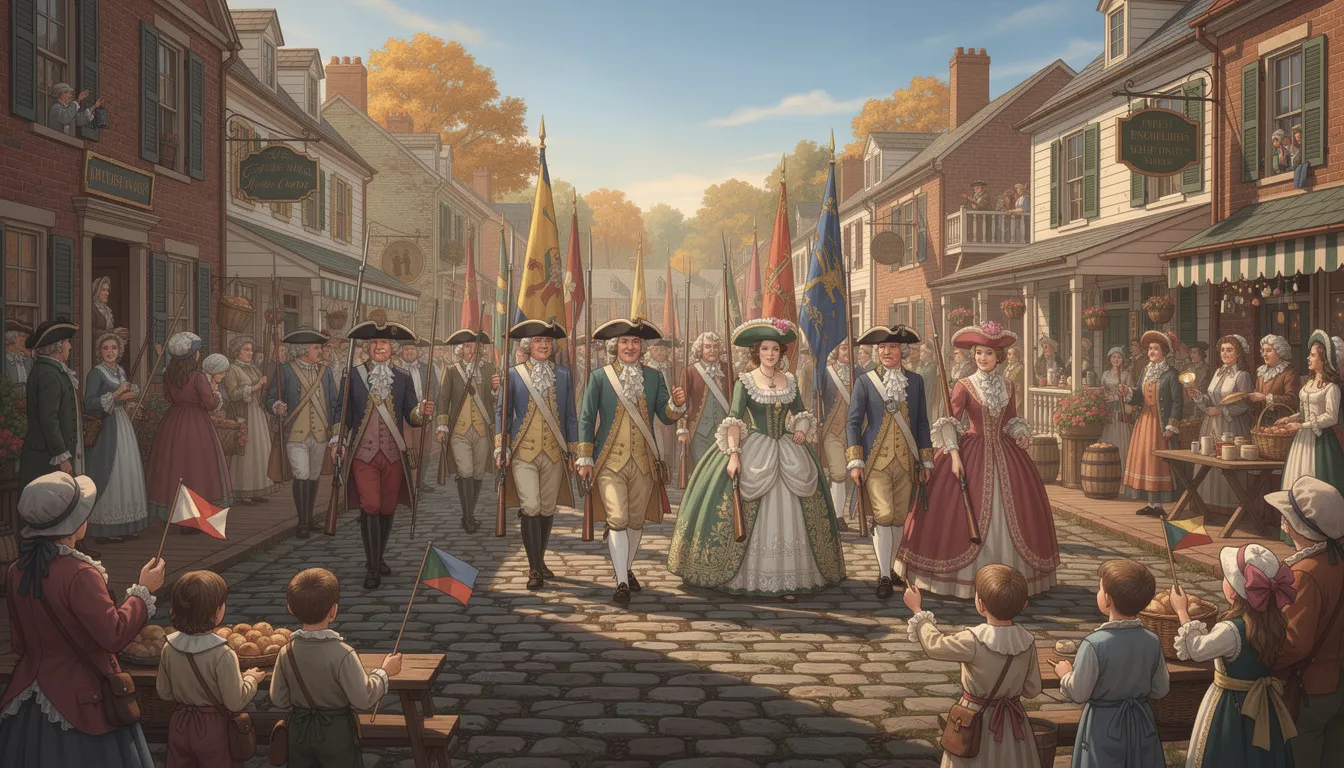
Following Washington’s death on December 14, 1799, commemorations of his February 22 birthday spread throughout the nation. Towns organized:
- Patriotic parades through main streets
- Public readings of speeches about republican values
- Sermons praising Washington’s character and leadership
- Historical reenactments of Revolutionary War events
Throughout the early 1800s, Washington’s Birthday became one of the most important civic observances in American life. The 1832 centennial of his birth and the 1848 groundbreaking for the Washington Monument further cemented his status as the central symbol of American nationhood.
The federal holiday: how Washington’s Birthday became law
Despite decades of widespread celebration, the federal government did not officially recognize Washington’s Birthday as a holiday until the late 19th century. The path from informal tradition to legal recognition took nearly a century after independence.
Congress passed legislation making Washington’s Birthday a federal holiday in 1879. This first federal holiday designation applied only to government workers in federal offices located in Washington, D.C. Senator Stephen Wallace Dorsey of Arkansas sponsored the bill, and President Rutherford Hayes signed it into law on January 31, 1879.
Six years later, in 1885, Congress expanded the holiday so that all federal offices across the United States would close on February 22. This made Washington’s Birthday:
- The first federal holiday honoring an individual American
- One of the earliest recognized federal holidays alongside Thanksgiving and July 4th
- A day when federal employees nationwide received paid time off
President Abraham Lincoln, who had died in 1865, was honored through this legislation in an indirect way. In 1862, during the Civil War, Lincoln himself had proclaimed February 22 a national day of celebration honoring Washington. The expansion of the holiday in 1885 carried forward that connection between the nation’s first president and its sixteenth.
Why Washington has “two” birthdays
One persistent source of confusion about Washington’s Birthday involves the calendar itself. Washington appears to have two different birthdays—February 11 and February 22—but this isn’t due to the famous (and fictional) cherry tree legend or any biographical mystery.
The explanation lies in a calendar reform that occurred during Washington’s lifetime. He was born on February 11, 1731, according to the Julian calendar that Britain and its colonies used at the time. This dating system, inherited from ancient Rome, had accumulated errors over centuries.
In 1752, Britain and the American colonies adopted the Gregorian calendar to correct these errors. The shift required:
Change | Effect |
|---|---|
Dropping 11 days | Dates jumped forward |
Moving New Year | January 1 replaced March 25 |
Year adjustment | Birth year became 1732 |
Washington’s birthday thus moved to February 22, 1732, which is the date recognized in modern historical records. He lived through this calendar change at age 20 and celebrated his birthday on both the original dates and the adjusted date at different points in his life.
These calendar complexities contribute to broader confusion over when and how Americans should mark the holiday honoring their first president.
The Uniform Monday Holiday Act and the birth of “Presidents’ Day”
The 1960s brought significant changes to how Americans observed several federal holidays, including Washington’s Birthday. Congress sought to create more three day weekends for workers while maintaining the patriotic purposes of traditional observances.
The Uniform Monday Holiday Act passed in 1968 and took effect in 1971. This law moved Washington’s Birthday from its fixed date of February 22 to the third Monday of February. The same act shifted other holidays:
- Memorial Day moved to the last Monday in May
- Columbus Day moved to the second Monday in October
- Labor Day remained on the first Monday in September
Some members of Congress proposed renaming the holiday to honor both Washington (February 22) and Lincoln’s Birthday (February 12), creating a combined “Presidents’ Day.” The proposal aimed to honor both famous presidents within a single observance. However, the renaming bill failed in committee, and the official name “Washington’s Birthday” remained in federal law.
Here’s an interesting quirk of the Monday Holiday Act: because the third Monday in February can fall no later than February 21, the federal observance never actually lands on Washington’s real birthday of February 22. The law designed to honor Washington more conveniently ensures Americans never celebrate on his actual birth date.
How the name “Presidents’ Day” caught on
Despite Congress keeping the official name “Washington’s Birthday,” the shift to “Presidents’ Day” in popular usage happened gradually through culture, commerce, and state legislation over the following decades.
Retailers in the 1970s and 1980s played a major role. Stores began advertising “President’s Day Sales” featuring patriotic imagery and pictures of famous presidents like Washington, Lincoln, Thomas Jefferson, and John Adams. These marketing campaigns helped establish “Presidents’ Day” as the common term in public consciousness.
Media outlets, schools, and state governments increasingly adopted the broader terminology. Many states officially changed their holiday names to variations like:
- Presidents’ Day
- Presidents Day (no apostrophe)
- Washington and Lincoln Day
- Washington-Lincoln Day
By the 1990s, most Americans casually referred to the holiday as Presidents Day rather than Washington’s Birthday, even though U.S. Code continues to use the original name. This disconnect between official law and common usage persists today.
State variations: one holiday, many names
While federal law determines the official name and timing of Washington’s Birthday for federal employees, states have significant freedom in how they recognize and name the February holiday. This has created a patchwork of observances across the nation.
Virginia, Washington’s home state, emphasizes his role and uses the name “George Washington Day” for its state holiday. The George Washington Presidential Library and other historical sites in Virginia often host special events during this period.
Illinois places special emphasis on President Abraham Lincoln, who began his political career in that state. Illinois maintains a separate Lincoln’s Birthday observance on February 12, distinct from the February Monday holiday. Connecticut and several states in the Northeast have similar traditions.
Several states combine both presidents in their official holiday names:
State Approach | Examples |
|---|---|
Washington only | Virginia, some Southern states |
Lincoln emphasis | Illinois, many Midwestern states |
Combined names | Ohio, New York (various forms) |
Generic “Presidents’ Day” | Many Western states |
This variety in naming contributes to public confusion about what exactly the holiday commemorates. A resident of Virginia celebrating George Washington Day may have a very different understanding of the holiday’s purpose than someone in Illinois observing Lincoln’s Birthday or someone in California enjoying a generic Presidents Day.
What is the purpose of Presidents’ Day today?
The modern purpose of Presidents Day blends historical remembrance, civic reflection, and contemporary culture in ways that would likely surprise George Washington himself. Understanding today’s holiday requires examining multiple dimensions of how Americans mark the occasion.
The core civic purpose remains honoring the office of the presidency and the individuals who have shaped the nation’s development. Washington established many precedents for the presidency during his time in the White House, including the tradition of serving only two terms (later enshrined in the 22nd Amendment). Lincoln preserved the Union during the Civil War and signed the Emancipation Proclamation.
Schools and civic organizations use the holiday to teach about:
- Constitutional government and separation of powers
- Leadership qualities and ethical decision-making
- The peaceful transfer of power between administrations
- American history from the founding through the present
Historians often view the day as an opportunity to reflect on the evolution of presidential power. The presidency of Washington looked very different from modern administrations, and comparing different eras helps Americans understand how their government has changed.
Beyond honoring individuals, the holiday can be framed as celebrating the American republic itself and its rejection of hereditary monarchy. Washington’s choice to step down from power after two terms—unprecedented for a leader of his stature—demonstrated that the nation would not create a new form of kingship.
How Americans observe the holiday
Concrete traditions and practices tied to Presidents Day vary widely across the country. The day affects daily life in both practical and ceremonial ways.
Federal offices, post offices, and many banks close on the third Monday in February. Schools in many states take the day off or use it as part of a winter break. However, most private businesses and retail stores remain open—often with special promotions.
Community events celebrating the holiday include:
- Parades in some cities and towns
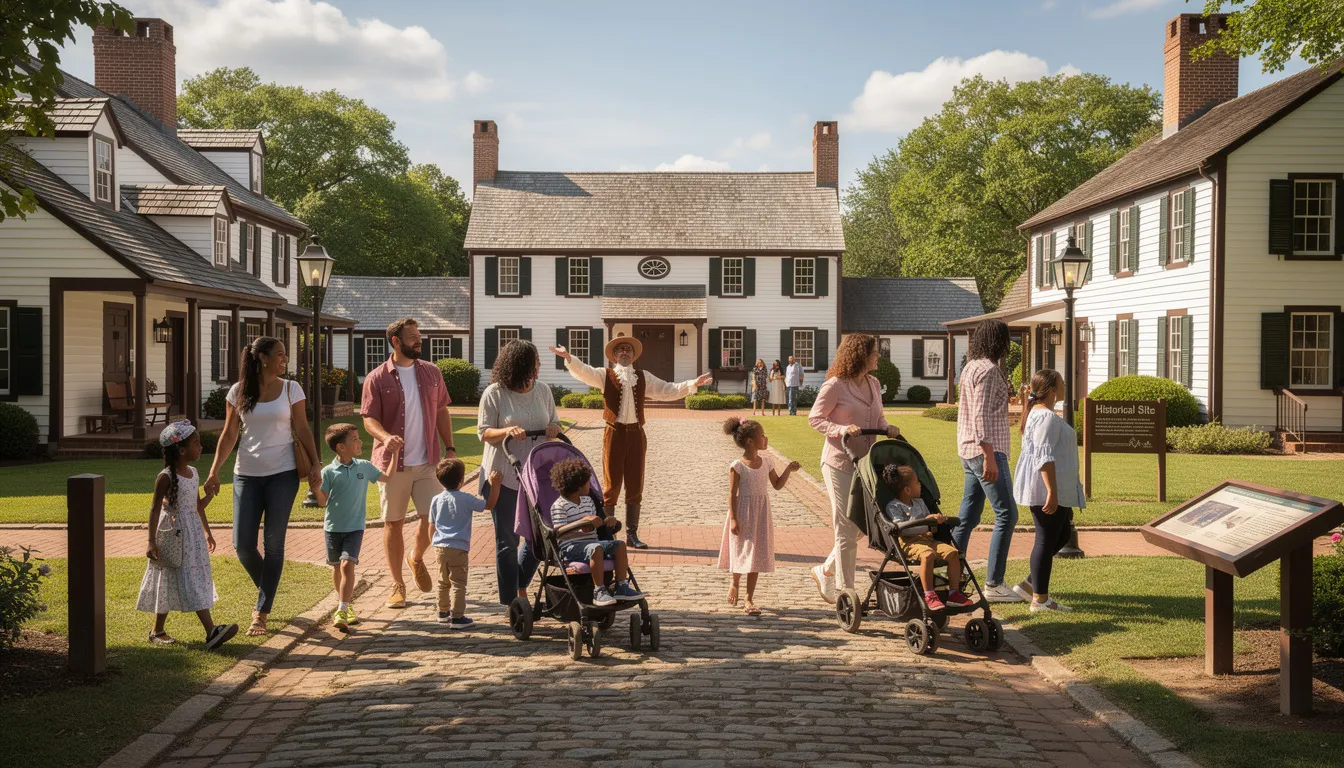
- Historical reenactments at sites like Mount Vernon in Virginia
- Wreath-laying ceremonies at presidential monuments
- Public readings of Washington’s Farewell Address
The Senate maintains a tradition of reading Washington’s Farewell Address annually, underscoring its influence on American political thought. In this 1796 letter announcing his retirement, Washington warned against political factions and foreign entanglements—advice that remains debated today.
Cultural associations with the holiday include cherry pie, connected to the fictional (but persistent) story of young Washington and the cherry tree. Some families mark the occasion with patriotic meals or educational activities about American history.
The commercial dimension has become a modern hallmark of the long weekend. Major President’s Day Sales at furniture stores, car dealerships, and electronics retailers generate substantial economic activity. Industry estimates suggest winter holiday sales periods, including Presidents Day weekend, contribute significantly to retail revenue—some analysts place the broader winter sales impact in the range of $20-30 billion annually.
The three day weekends created by the Monday Holiday Act also coincide with major sporting events. The NBA All-Star break often falls during Presidents Day weekend, as does the Daytona 500 in some years. These events have become part of how many Americans experience the holiday.
How the holiday’s meaning continues to evolve
Each generation reinterprets Presidents Day in light of its own political and cultural circumstances. What began as a celebration of one specific man has transformed multiple times over more than two centuries.
The expansion from honoring Washington alone to acknowledging many presidents reflects a broader, more inclusive view of American history. Lincoln’s elevation alongside Washington recognized that the nation’s story didn’t end with its founding—the Civil War and emancipation represented another defining chapter. The generic “Presidents’ Day” concept extends this logic further, suggesting that the office itself, held by 46 individuals across American history, deserves collective recognition.
Today’s discussions of the holiday sometimes include critical perspectives on presidential actions and legacies. Americans increasingly debate:
- How to reconcile honoring founders who enslaved people
- Whether certain presidents deserve celebration or criticism
- The proper balance of power between the presidency and other branches
- What leadership qualities citizens should demand from their presidents
These conversations can make Presidents Day a prompt for civic dialogue rather than simple celebration. The holiday creates an annual moment when Americans consider what the presidency means and what they want it to become.
Security verification processes at government buildings, security service protocols at public events, and verification successful confirmations at digital government portals remind Americans that the presidency remains a protected institution even during celebratory occasions. Malicious bots and respond ray id systems work constantly to protect government websites that see increased traffic around civic holidays.
Whatever it is called—Washington’s Birthday, George Washington Day, or Presidents Day—the holiday offers Americans a chance to consider what effective, ethical leadership should look like in the future. The debates over naming and meaning reflect deeper questions about national identity that every generation must answer for itself.
From Continental Army officers raising toasts in 1778 to families shopping President’s Day Sales today, the holiday has continuously evolved. Its history demonstrates how American civic culture adapts traditions to new circumstances while maintaining connections to the past. As the nation continues to change, so will the meaning of this February Monday—and the questions it prompts Americans to ask about their presidents, their government, and themselves.
Your Friend,
Wade