



Key Takeaways:
- The integration of AI in military operations raises critical questions about human oversight and accountability.
- Decision-making processes involving AI systems must balance technological advantages with ethical considerations and international law.
- The future of warfare will likely see a blend of human judgment and AI capabilities, necessitating a robust framework for responsible use.
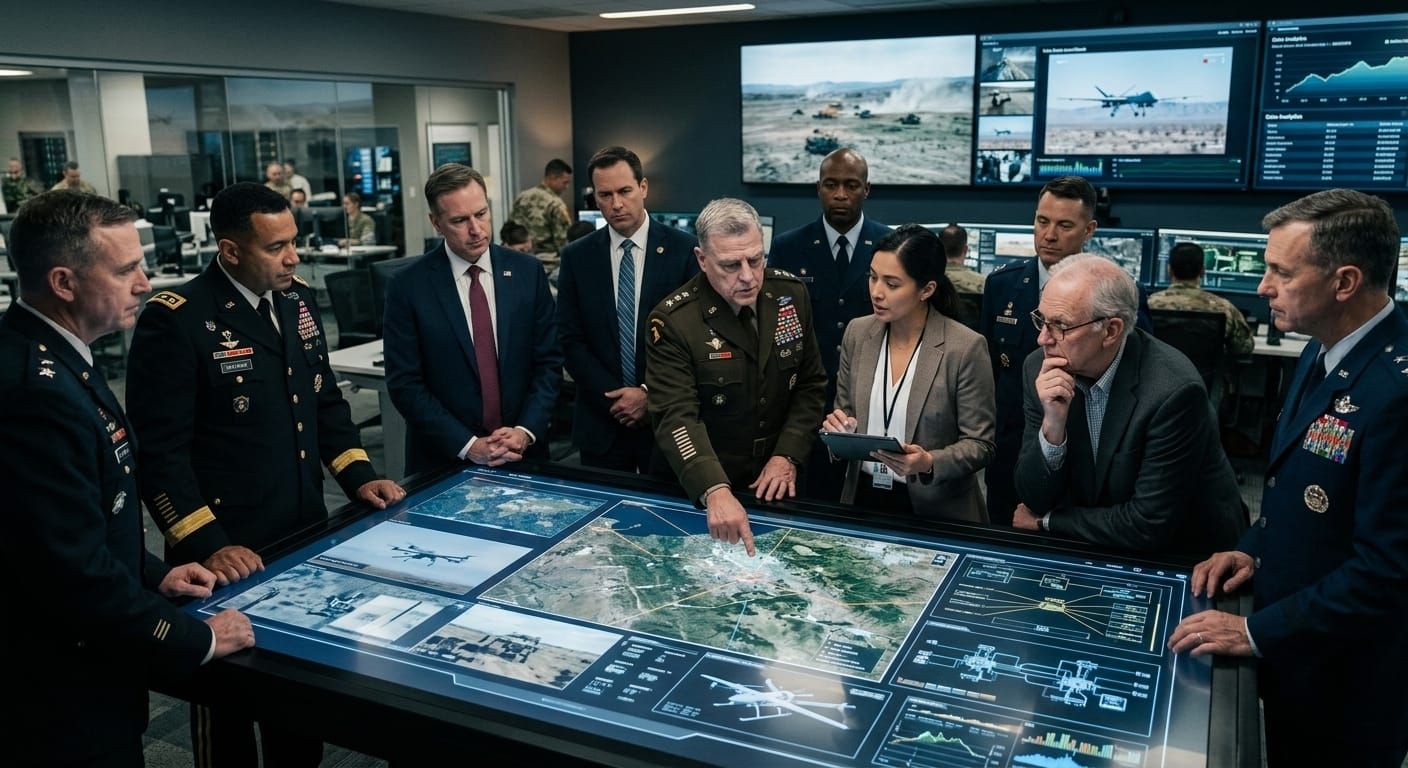
The advent of artificial intelligence (AI) in warfare has sparked a heated debate about who holds the reins when it comes to its application. As military operations increasingly rely on AI systems, the question of authority and responsibility becomes paramount. The military decision-making process is no longer solely in the hands of human operators; it now involves complex interactions between AI algorithms and military personnel. This shift raises concerns about human intervention, oversight, and the potential for life-and-death decisions to be made by machines.
In this article, we will explore the various stakeholders involved in determining how AI is utilized in warfare, the implications of AI integration, and the ethical considerations that must be addressed. From military leaders to policymakers and international bodies, the decision-making landscape is multifaceted and requires careful navigation to ensure that AI serves as a tool for enhancing military effectiveness while adhering to humanitarian principles.
The Role of Military Leadership
Military leaders play a crucial role in deciding how AI is integrated into warfare. They are responsible for setting the strategic direction and operational guidelines for AI systems. This includes determining the types of AI-enabled systems to be deployed, the training data used to develop these systems, and the extent to which human oversight is maintained. The balance between leveraging AI for military advantage and ensuring human control is a delicate one.
Moreover, military leadership must consider the implications of AI on the battlefield. For instance, the use of lethal autonomous weapons systems (LAWS) raises significant ethical questions. Leaders must weigh the potential benefits of increased efficiency and precision against the risks of civilian harm and the erosion of accountability in life-and-death situations. This decision-making process is further complicated by the rapid pace of technological advancement, which often outstrips existing regulations and ethical frameworks.
The Influence of International Law
International law plays a pivotal role in shaping how AI is used in military operations. Legal frameworks such as international humanitarian law (IHL) set the standards for the conduct of armed conflict, including the use of weapon systems. As AI technologies evolve, so too must the legal interpretations and applications of these frameworks. The challenge lies in ensuring that AI systems comply with IHL principles, such as distinction, proportionality, and necessity.
Policymakers and legal experts must collaborate to develop guidelines that govern the use of AI in warfare. This includes addressing the legality of fully autonomous weapons and the responsibilities of states in deploying AI-enabled systems. The international community, through organizations like the United Nations, is increasingly called upon to establish norms and regulations that ensure responsible AI use in military contexts. The ongoing discussions surrounding the regulation of autonomous weapons systems highlight the need for a cohesive approach to international law and military AI.
Human Oversight and Control
One of the most pressing concerns regarding AI in warfare is the extent of human oversight and control. While AI systems can process vast amounts of data and make decisions at lightning speed, the question remains: should humans always be in the loop? The military decision-making process must prioritize human judgment, especially in scenarios involving lethal force. This is where the concept of human operators comes into play.
Human operators are essential for maintaining accountability and ethical standards in military operations. They provide the necessary context and situational awareness that AI systems may lack. For example, during an armed conflict, a human operator can assess the nuances of a situation that an AI model might misinterpret. This human involvement is crucial for ensuring that decisions align with the commander’s intent and the broader objectives of the mission.
The Challenges of AI Integration
Integrating AI into military operations presents a host of challenges. One significant hurdle is the need for reliable training data. AI models depend on vast amounts of historical data to learn and make predictions. However, the quality and representativeness of this data are paramount. If the training data is biased or incomplete, the AI systems may produce flawed outcomes, leading to unintended consequences on the battlefield.
Additionally, the complexities of modern warfare demand that AI systems operate effectively in dynamic and unpredictable environments. The integration of AI must account for the realities of combat, including the presence of enemy forces and the potential for civilian harm. Military planners must ensure that AI-enabled systems can adapt to changing conditions while adhering to ethical standards and legal obligations.
The Impact of AI on Military Decision-Making
AI is transforming the military decision-making process by enhancing situational awareness and predictive capabilities. AI systems can analyze vast amounts of data in real-time, providing commanders with insights that inform strategic choices. For instance, AI-driven warfare can improve logistics planning, enabling military forces to optimize resource allocation and respond more effectively to emerging threats.
However, the reliance on AI also introduces new risks. The potential for over-reliance on AI systems may lead to a diminished role for human judgment. Military leaders must strike a balance between leveraging AI’s capabilities and ensuring that human operators remain integral to the decision-making process. This balance is crucial for maintaining accountability and ethical standards in military operations.
The Ethical Considerations of AI in Warfare
The ethical implications of using AI in warfare cannot be overstated. The deployment of autonomous weapons systems raises profound moral questions about the nature of warfare and the value of human life. As machines take on more decision-making responsibilities, the potential for civilian harm increases, necessitating a robust ethical framework to guide AI use.
Military leaders and policymakers must grapple with the moral dilemmas posed by AI integration. The concept of responsible AI emphasizes the need for transparency, accountability, and adherence to humanitarian principles. Establishing ethical guidelines for AI use in warfare is essential for ensuring that military operations align with societal values and international norms.
Historical Context: Lessons from the Cold War
The Cold War era provides valuable lessons for understanding the implications of AI in warfare. During this period, the arms race between superpowers led to the development of advanced weapon systems, including nuclear weapons. The fear of mutually assured destruction shaped military strategies and decision-making processes, highlighting the importance of human judgment in high-stakes scenarios.
As we navigate the integration of AI into military operations, it is crucial to learn from historical examples. The Cold War underscores the need for careful consideration of the consequences of technological advancements in warfare. Military leaders must remain vigilant in ensuring that AI systems are used responsibly and ethically, drawing on lessons from the past to inform future decision-making.
The Future of AI in Warfare
Looking ahead, the future of AI in warfare is likely to be characterized by a blend of human judgment and machine capabilities. As AI technologies continue to evolve, military operations will increasingly rely on AI-driven systems for decision support and operational planning. However, the integration of AI must be approached with caution, ensuring that human oversight remains a fundamental aspect of military decision-making.
The near future may see the emergence of AI-enabled systems that enhance situational awareness and improve operational efficiency. However, the ethical and legal implications of these advancements must be carefully considered. Military leaders and policymakers must work collaboratively to establish frameworks that govern the responsible use of AI in warfare, ensuring that technological advancements do not come at the expense of human values and accountability.
The Role of AI in Modern Warfare
AI is reshaping the landscape of modern warfare, offering new capabilities and strategies for military operations. From predictive analytics to autonomous systems, AI technologies are enhancing the effectiveness of military forces. For example, AI algorithms can analyze intelligence data to identify patterns and trends, enabling commanders to make informed decisions in real-time.
However, the integration of AI into military operations also presents inherent risks. The potential for unintended consequences and ethical dilemmas must be addressed through robust oversight and accountability mechanisms. Military leaders must ensure that AI systems are used responsibly, balancing the advantages of technology with the need for human judgment and ethical considerations.
The Importance of Human Judgment
Despite the advancements in AI technology, human judgment remains a critical component of military decision-making. AI systems can provide valuable insights and recommendations, but they lack the contextual understanding and moral reasoning that human operators possess. The complexities of warfare demand that decisions be made with a nuanced understanding of the situation, which AI alone cannot provide.
Military leaders must prioritize human involvement in the decision-making process, ensuring that AI systems serve as tools to augment human capabilities rather than replace them. This approach fosters accountability and ethical standards in military operations, reinforcing the importance of human judgment in life-and-death decisions.
The Challenges of Autonomous Weapons Systems
The rise of autonomous weapons systems (AWS) presents unique challenges for military decision-making. These systems can operate independently, making decisions without direct human intervention. While AWS offer potential advantages in terms of speed and efficiency, they also raise significant ethical and legal concerns.
The deployment of AWS necessitates a thorough examination of accountability and responsibility. In scenarios where autonomous systems engage in combat, determining liability for actions taken becomes complex. Military leaders must navigate these challenges carefully, ensuring that the use of AWS aligns with international humanitarian law and ethical principles.
The Role of AI in Military Planning Processes
AI is increasingly being integrated into military planning processes, enhancing the ability to analyze data and make informed decisions. AI-driven systems can simulate various scenarios, allowing military planners to assess potential outcomes and optimize strategies. This capability is particularly valuable in complex environments where traditional methods may fall short.
However, the reliance on AI in military planning also introduces challenges. The accuracy of AI models depends on the quality of training data and the algorithms used. Military planners must ensure that AI systems are rigorously tested and validated to mitigate the risks of flawed decision-making. Balancing the benefits of AI with the need for human oversight is essential for effective military planning.
The Human Cost of AI Integration
As AI becomes more prevalent in military operations, the human cost of its integration must be carefully considered. The potential for civilian harm and collateral damage raises ethical questions about the use of AI in warfare. Military leaders must prioritize the protection of civilian lives and adhere to international humanitarian law in their decision-making processes.
The integration of AI should not come at the expense of human values and ethical standards. Military leaders must ensure that AI systems are designed with a focus on minimizing harm and maximizing accountability. This commitment to responsible AI use is essential for maintaining public trust and upholding the principles of humanitarian law.
The Role of AI in Intelligence Preparation
AI is revolutionizing the intelligence preparation process in military operations. By analyzing vast amounts of data, AI systems can identify patterns and trends that inform strategic decision-making. This capability enhances situational awareness and enables military leaders to anticipate potential threats.
However, the reliance on AI for intelligence preparation also poses challenges. The accuracy of AI models depends on the quality of training data and the algorithms used. Military leaders must ensure that AI systems are rigorously tested and validated to mitigate the risks of flawed decision-making. Balancing the benefits of AI with the need for human oversight is essential for effective intelligence preparation.
The Future Battlefield: AI and Human Forces
The future battlefield will likely see a blend of AI capabilities and human forces working in tandem. As AI technologies continue to evolve, military operations will increasingly rely on AI-driven systems for decision support and operational planning. However, the integration of AI must be approached with caution, ensuring that human oversight remains a fundamental aspect of military decision-making.
The near future may see the emergence of AI-enabled systems that enhance situational awareness and improve operational efficiency. However, the ethical and legal implications of these advancements must be carefully considered. Military leaders and policymakers must work collaboratively to establish frameworks that govern the responsible use of AI in warfare, ensuring that technological advancements do not come at the expense of human values and accountability.
The Role of Generative AI in Warfare
Generative AI is emerging as a powerful tool in military operations, offering new capabilities for data analysis and decision-making. By generating realistic simulations and scenarios, generative AI can enhance training and preparedness for military personnel. This technology allows for the exploration of various strategies and outcomes, providing valuable insights for military planners.
However, the use of generative AI also raises ethical concerns. The potential for misuse or unintended consequences must be addressed through robust oversight and accountability mechanisms. Military leaders must ensure that generative AI is used responsibly, balancing the advantages of technology with the need for human judgment and ethical considerations.
The Importance of Responsible AI Principles
As AI becomes more integrated into military operations, the importance of responsible AI principles cannot be overstated. These principles emphasize the need for transparency, accountability, and ethical standards in the development and deployment of AI systems. Military leaders must prioritize responsible AI use to ensure that technological advancements align with humanitarian values and international law.
Establishing a framework for responsible AI principles is essential for guiding military decision-making. This framework should address issues such as bias in training data, the need for human oversight, and the ethical implications of autonomous systems. By prioritizing responsible AI use, military leaders can navigate the complexities of modern warfare while upholding the principles of accountability and ethical conduct.
The integration of AI in warfare presents a complex landscape of decision-making, ethical considerations, and legal implications. Military leaders, policymakers, and international bodies must collaborate to establish frameworks that govern the responsible use of AI in military operations. As we navigate this evolving terrain, the importance of human oversight and judgment remains paramount. The future of warfare will likely see a blend of AI capabilities and human involvement, necessitating a careful balance between technological advantages and ethical standards.
Your Friend,
Wade

Q1: What are lethal autonomous weapons systems (LAWS)?
A1: Lethal autonomous weapons systems (LAWS) are military systems that can select and engage targets without human intervention. Their use raises ethical and legal concerns regarding accountability and civilian harm.
Q2: How does international law regulate the use of AI in warfare?
A2: International law, particularly international humanitarian law (IHL), sets standards for the conduct of armed conflict, including the use of weapon systems. As AI technologies evolve, legal interpretations must adapt to ensure compliance with IHL principles.
Q3: What role does human oversight play in AI-driven military operations?
A3: Human oversight is crucial in AI-driven military operations to maintain accountability and ethical standards. Human operators provide context and situational awareness that AI systems may lack, ensuring that decisions align with military objectives and humanitarian principles.