

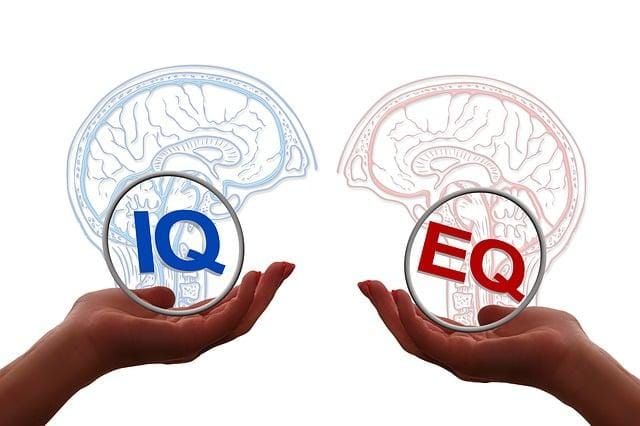



Key Takeaways:
- Emotional intelligence (EQ) is increasingly recognized as a critical factor for career success, often surpassing traditional intelligence quotient (IQ) in importance.
- High emotional intelligence leads to better workplace relationships, effective communication, and enhanced leadership capabilities.
- Developing EQ skills can significantly improve mental health, personal excellence, and overall professional success
Understanding Emotional Intelligence
Emotional intelligence, or EQ, refers to the ability to recognize, understand, and manage our own emotions while also being aware of the emotions of others. This skill set is becoming increasingly vital in both personal and professional contexts. Unlike IQ, which measures cognitive abilities, EQ focuses on emotional and social competencies that are essential for navigating the complexities of human interactions.
In today’s fast-paced world, the ability to connect with others on an emotional level is a game-changer. People with high EQ can read social cues, respond appropriately to difficult emotions, and foster an environment of psychological safety. This is particularly important in workplaces where collaboration and teamwork are essential for success.
The Shift from IQ to EQ
The traditional view of intelligence has long been dominated by IQ, which emphasizes analytical and technical skills. However, recent studies have shown that emotional intelligence is a more accurate predictor of success in various aspects of life. Daniel Goleman, a leading psychologist in the field, argues that EQ is the new IQ, as it encompasses critical skills like empathy, self-management, and relationship management.
This shift is not just a trend; it’s a reflection of the changing demands of the workplace. Employers are increasingly looking for resilient employees who can handle feedback, manage stress, and maintain positive relationships. In fact, research indicates that individuals with high EQ often outperform their peers with higher IQs in real-life scenarios.
The Importance of Self-Awareness
Self-awareness is the cornerstone of emotional intelligence. It involves recognizing one’s own emotions and understanding how they affect thoughts and behavior. Individuals who are self-aware can express their emotions effectively and manage them in a way that promotes positive outcomes.
For instance, a manager who is aware of their stress levels can take proactive steps to mitigate their impact on the team. This not only enhances their leadership capabilities but also fosters a culture of emotional learning within the organization. Self-awareness allows individuals to identify their strengths and weaknesses, paving the way for personal excellence.
Relationship Management: The Heart of EQ
Effective relationship management is another critical component of emotional intelligence. It involves the ability to build and maintain healthy relationships, communicate clearly, and resolve conflicts amicably. Emotionally intelligent people excel in this area, as they can navigate social dynamics with ease.
For example, consider a team leader who actively listens to their team members and addresses their concerns. This approach not only boosts morale but also encourages open communication, leading to a more cohesive work environment. In contrast, a leader lacking in relationship management skills may struggle to connect with their team, resulting in misunderstandings and decreased productivity.
Social Awareness: Reading the Room
Social awareness is the ability to understand and respond to the emotions of others. This skill is particularly important in diverse workplaces where individuals come from various backgrounds and experiences. Being socially aware allows one to pick up on subtle social cues and respond appropriately, fostering a sense of belonging among team members.
For instance, a colleague who notices that a teammate is feeling overwhelmed can offer support or assistance, creating a more empathetic workplace culture. This kind of emotional attunement not only enhances interpersonal relationships but also contributes to overall team success.
The Role of Empathetic Leadership
Empathetic leadership is a vital aspect of emotional intelligence that can significantly impact organizational culture. Leaders who demonstrate empathy are better equipped to understand the needs and concerns of their employees. This understanding fosters trust and loyalty, which are essential for a thriving workplace.
Research shows that empathetic leaders can drive higher engagement levels among their teams. When employees feel valued and understood, they are more likely to contribute positively to the organization. This creates a ripple effect, leading to improved performance and job satisfaction across the board.
Emotional Control: Staying Calm Under Pressure
Emotional control is the ability to manage one’s emotions, especially in high-pressure situations. This skill is crucial for maintaining professionalism and composure, particularly in challenging circumstances. Individuals with high emotional intelligence can stay calm and focused, even when faced with adversity.
For example, a customer service representative who remains composed during a difficult interaction can effectively resolve the issue and leave the customer feeling heard. This ability to manage emotions not only enhances personal effectiveness but also contributes to a positive customer experience.
The Connection Between EQ and Mental Health
The relationship between emotional intelligence and mental health is profound. High EQ individuals are often better equipped to handle stress, anxiety, and other emotional challenges. They possess the skills necessary to express and manage their emotions, leading to improved mental well-being.
Moreover, emotionally intelligent people are more likely to seek help when needed, recognizing the importance of mental health in their overall quality of life. This proactive approach to emotional well-being can lead to healthier relationships and a more fulfilling life.
The Impact of EQ on Career Success
In the competitive job market, emotional intelligence has emerged as a key differentiator among candidates. Employers are increasingly prioritizing EQ over technical skills, recognizing that the ability to connect with others is essential for long-term success. High emotional intelligence can lead to better job performance, increased promotions, and higher salaries.
For instance, a sales professional with high EQ can build rapport with clients, leading to stronger relationships and increased sales. This ability to connect on an emotional level often translates into tangible business results, making EQ a valuable asset in any career.
Active Listening: A Critical Skill
Active listening is a fundamental aspect of emotional intelligence that enhances communication and understanding. It involves fully concentrating on what is being said, rather than merely hearing the words. This skill is essential for effective relationship management and conflict resolution.
For example, during a team meeting, a leader who practices active listening can better understand the concerns of their team members. This not only fosters a sense of respect but also encourages open dialogue, leading to more effective problem-solving and collaboration.
Building EQ: Early Signs and Development
Recognizing the early signs of emotional intelligence can help individuals develop these critical skills. Traits such as empathy, self-regulation, and social awareness often indicate a high EQ. By nurturing these qualities from a young age, individuals can build a strong foundation for emotional intelligence.
Parents and educators play a crucial role in fostering emotional intelligence in children. Encouraging open discussions about feelings, teaching conflict resolution skills, and modeling empathetic behavior can significantly impact a child’s emotional development.
The High Cost of Low EQ
Low emotional intelligence can have significant consequences, both personally and professionally. Individuals with low EQ may struggle to form meaningful relationships, leading to feelings of isolation and dissatisfaction. In the workplace, low EQ can result in poor communication, increased conflict, and decreased productivity.
Moreover, the high cost of low EQ extends beyond individual experiences. Organizations that fail to prioritize emotional intelligence may face high turnover rates, low employee morale, and decreased overall performance. Investing in EQ development can yield substantial returns for both individuals and organizations.
The Missing Link: EQ in Performance
Emotional intelligence is often the missing link in understanding why some individuals excel while others struggle, despite similar technical skills. High EQ individuals tend to be more adaptable, resilient, and effective in their roles. They can navigate challenges with grace and maintain positive relationships, which are essential for success.
For instance, a project manager with high emotional intelligence can effectively lead a team through a challenging project, ensuring that everyone remains motivated and focused. This ability to inspire and connect with others often sets high performers apart from their peers.
The Science Behind EQ
Research into emotional intelligence has revealed fascinating insights into its impact on human behavior and performance. Studies have shown that individuals with high EQ are better at managing stress, resolving conflicts, and building strong relationships. These findings hold true across various contexts, from leadership to teamwork.
John Mayer’s research on emotional intelligence highlights the importance of understanding and regulating emotions. His work emphasizes that EQ is not just a soft skill but a critical component of human intelligence that can significantly influence success in various domains.
EQ and Effective Communication
Effective communication is a cornerstone of emotional intelligence. Individuals with high EQ can articulate their thoughts and feelings clearly, fostering understanding and collaboration. This skill is particularly important in diverse workplaces where clear communication can bridge cultural and social gaps.
For example, a team member who communicates effectively can help clarify misunderstandings and promote a positive team dynamic. This ability to convey emotions and ideas clearly enhances overall team performance and cohesion.
The Role of Feedback in EQ Development
Feedback is a crucial element in developing emotional intelligence. Individuals with high EQ are open to receiving constructive criticism and use it as an opportunity for growth. This willingness to learn from feedback fosters a culture of continuous improvement and personal development.
In contrast, individuals with low EQ may struggle to accept feedback, leading to defensiveness and stagnation. Embracing feedback as a valuable tool for growth can significantly enhance emotional intelligence and overall performance.
The Future of EQ in the Workplace
As the workplace continues to evolve, the importance of emotional intelligence will only increase. Organizations that prioritize EQ development will likely see improved employee engagement, collaboration, and overall performance. This shift towards valuing emotional intelligence reflects a broader understanding of what it means to be successful in today’s world.
In the future, we can expect to see more emphasis on emotional learning and development programs within organizations. By investing in EQ, companies can create a more resilient and adaptable workforce, better equipped to navigate the challenges of an ever-changing landscape.
Emotional intelligence is rapidly becoming recognized as a vital component of success in both personal and professional realms. As we shift our focus from traditional IQ to the importance of EQ, it’s clear that the ability to understand and manage emotions is a critical factor in achieving positive outcomes. By developing emotional intelligence skills such as self-awareness, relationship management, and empathetic leadership, individuals can enhance their career prospects and contribute to a healthier workplace culture.
Your Friend,
Wade
Q1: How can I improve my emotional intelligence?
A1: Improving emotional intelligence involves practicing self-awareness, active listening, and empathy. Engaging in reflective practices, seeking feedback, and participating in emotional learning programs can also enhance your EQ.
Q2: What are the signs of high emotional intelligence?
A2: Signs of high emotional intelligence include strong interpersonal skills, the ability to manage stress effectively, empathy towards others, and a willingness to accept feedback. Emotionally intelligent individuals often build strong relationships and communicate effectively.
Q3: Why is emotional intelligence important in leadership?
A3: Emotional intelligence is crucial in leadership because it enables leaders to connect with their teams, foster trust, and navigate conflicts effectively. Leaders with high EQ can inspire and motivate their teams, leading to improved performance and job satisfaction.