





Key Takeaways
- In March 2026, a freelancer in Austin typed “he asked ai to make money it did” into ChatGPT-style notes after using ai tools to earn his first $1,237 online in 30 days.
- Yes, you can use ai tools and ai agents right now to earn money, even if you cannot code, write code, or explain machine learning.
- The core strategy is simple: choose focused business ideas, then let ai do the heavy lifting for market research, creation, publishing, and automation.
- AI generated content alone is not a business. Human judgment, editing, niche selection, and consistency are the difference between random stuff and income.
- By the end, you will have a 7-day plan to start small, plus guardrails on copyright, ethics, and realistic money expectations.

The Story: “I Asked AI to Make Money, It Did”
In April 2026, a 29-year-old marketing assistant named Chris in Manchester, UK, opened ChatGPT and typed: “Use ai to make me money in 7 days with $0.” He was not an engineer. He did not understand artificial intelligence deeply. He was just a person with internet access, a few hours after work, and the willingness to ask ai better questions.
The ai model suggested several low-cost paths: simple digital products, a faceless TikTok or youtube channel, niche affiliate content, and a small service offer for local businesses. By Day 3, Chris published his first AI-assisted printable on Etsy. By Day 5, his AI-scripted short video ideas reached 10,000 views. By Day 7, he had made £63 from a printable, an affiliate link, and a small custom template job.
Over the next 30 days, Chris doubled down on what worked. He used ai content for drafts, Canva for design, and basic automations for follow-ups. He even added a coupon called promo code chris to track where sales came from; later, he tested a cleaner promo code in his emails. His revenue passed £1,000, not because ai “printed money,” but because he shipped offers, measured results, and improved the process.
This is the whole point: ai can automate complex tasks, create digital or physical products at scale, and offer specialized AI-driven services to businesses. But the user is still in the driver's seat.
You Don’t Need to Be an AI Expert to Earn Money
Most profitable ai users in 2026 are not engineers. They are creators, freelancers, agencies, small business owners, and side-hustlers using ai as a smart assistant. According to Gallup’s Q1 2026 reporting, 50% of U.S. employees now use AI at work at least occasionally, and 65% of users say it has improved productivity.
In plain language:
- ai tools include chatbots, image generators, design apps, and automation platforms.
- An ai agent is a workflow that can take steps toward a goal, such as drafting content, sorting leads, or sending follow-up emails.
- Foundational AI models can perform a variety of tasks including reading and summarizing documents, analyzing text, and creating audio or visual content, which can enhance productivity.
- You do not need Python, a data science degree, or advanced machine learning knowledge to begin.
Your minimal setup:
- A laptop and basic internet.
- One general chat tool.
- One design or video tool.
- One place to sell or publish, such as Etsy, Gumroad, YouTube, TikTok, or a simple landing page.
- Basic skills: write clear prompts, edit drafts, upload files, answer customers, and pay attention to potential buyers.
AI can help individuals and organizations increase their productivity by managing daily tasks and working toward their goals more efficiently. Using AI tools can streamline workflows, allowing users to automate repetitive tasks and focus on higher-value activities, thus improving overall productivity.
Choosing the Right AI-Powered Business Idea
Making ai do the heavy lifting works best when it is paired with focused business ideas. If you chase every shiny tool, nothing compounds. Pick one idea, one audience, and one simple offer.
Here are viable 2026 options:
- AI-assisted digital products: eBooks, printables, Notion templates, planners, online courses, and worksheets.
- AI-generated content channels: YouTube Shorts, TikTok, newsletters, niche blogs, or faceless media pages.
- AI-boosted freelance services: website design, content writing, email campaigns, marketing services, reporting, and social media content.
- Niche info products: guides, checklists, mini-courses, and templates for specific audiences.
- No-code micro-products: simple calculators, trackers, or workflows built with forms, spreadsheets, and automation tools.
Using AI tools, individuals can create and sell digital products like eBooks, printables, and online courses without needing extensive technical skills. Digital assets can be built using AI and sold online, allowing for repeated sales of the same item. Creating assets once and selling them multiple times is a common strategy when utilizing AI for income generation.
Use this prompt:
“Generate 20 tiny niche business ideas combining my skills in fitness and remote work, focused on digital products I can launch in 7 days. Include potential buyers, pricing, and simple promotion ideas.”
A good framework is Interest × Skill × Market Gap:
- Interest: What can you keep talking about for 90 days?
- Skill: What can you already teach, organize, design, write, or research?
- Market gap: What do people search for, complain about, or already pay to fix?
For example, “meal prep planners for vegan cyclists” can become a PDF planner, shopping list, macro guide, and short video series. You can create the draft with ai, improve it with real nutrition knowledge, package it in Canva, and sell it for $15–$25.
Step‑by‑Step: From Asking AI to First Dollars
This is the practical playbook for using ai to make money from scratch. The goal is not to build a perfect company in one week. The goal is to earn your first $50–$100 and learn what the market wants.
Day 1–2: Research & Validation
- Use ai tools for market research, keyword ideas, and competitor review.
- Prompt: “Analyze this niche for digital products. What ai content, ai generated examples, customer pain points, and pricing patterns appear in the market?”
- Check Etsy, Gumroad, YouTube, Reddit, Google Trends, and TikTok manually.
- Look for proof that people already buy similar products or services.
AI can generate SEO-optimized articles quickly for niche blogging, which can be monetized through ad networks and affiliate links. Media channels can be grown using AI and monetized through advertising, sponsorships, or affiliate commissions.
Day 3–4: Creation with AI Doing the Heavy Lifting
- Ask ai to generate outlines, drafts, checklists, scripts, titles, and design ideas.
- For a PDF guide: “Create a 12-page beginner guide for vegan cyclists who want 20-minute meal prep.”
- For a short video series: “Write 10 YouTube Shorts scripts with a hook, 3 quick tips, and a call to action.”
- Edit everything. AI can produce errors and generically sounding text, necessitating careful editing and fact-checking by users.
Using AI for ideation and content creation can significantly speed up the process of developing passive income products, such as eBooks and online courses.
Day 5: Packaging & Publishing
- Turn raw ai generated content into a polished product.
- Add original examples, screenshots, templates, and your own structure.
- Publish on Etsy, Gumroad, a simple landing page, or a marketplace.
- Write a clear title, benefit-led description, and simple price.
Print-on-demand services allow unique designs to be created using AI and sold without upfront inventory costs. AI can be used to generate unique art for print-on-demand products such as t-shirts, mugs, or posters. This is where ai art can become a physical product without inventory.
Day 6–7: Traffic & First Sales
- Ask ai to write 10 social posts, 3 short emails, and 5 video hooks.
- Share the offer in relevant communities without spamming.
- Track clicks, questions, and sales.
- Improve the offer based on real buyer feedback.
AI-generated content can be monetized through various channels, including creating YouTube videos, selling digital products, and affiliate marketing.
Three Concrete AI Money‑Making Paths in 2026
Here are three recipes showing how ai to make money works without a giant audience.
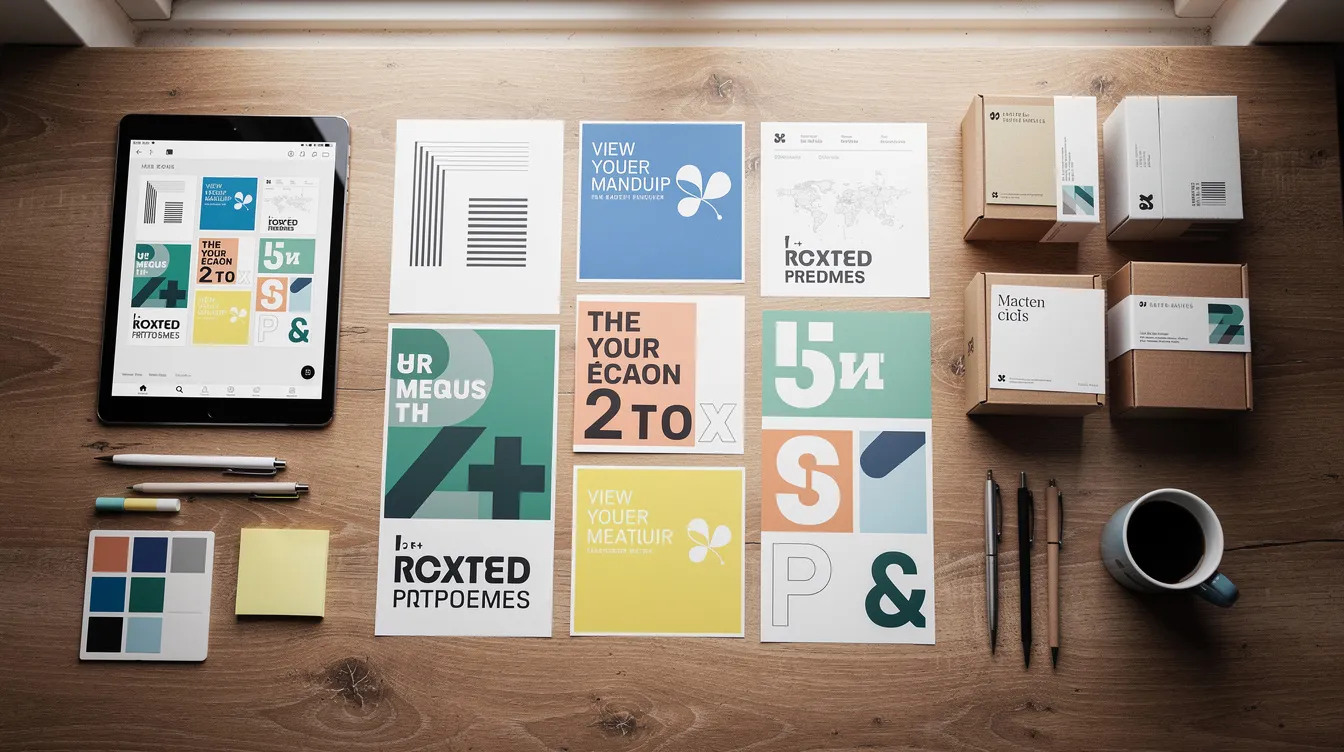
Path 1 – AI‑Enhanced Digital Products
- What to sell: planners, templates, eBooks, online courses, checklists, Notion dashboards, and printable packs.
- Where to sell: Etsy, Gumroad, Shopify, Amazon KDP, or your own site.
- Which tools: one ai chat tool, Canva, a keyword tool, and a payment platform.
- Realistic 3-month range: $200–$2,000 for consistent beginners, with upside if the niche is strong.
AI tools can assist in creating and selling digital products, allowing individuals without technical backgrounds to generate passive income.
Path 2 – AI‑Powered Content Channels
- What to sell: attention first, then ads, sponsorships, affiliate offers, or small digital products.
- Where to publish: youtube, TikTok, Instagram, newsletters, or blogs.
- Which tools: ai for scripts, titles, outlines, thumbnails, and repurposing.
- Realistic 3-month range: $100–$1,500, often slower at first but scalable.
Netflix is a useful example of why this works at scale: AI algorithms can enhance user engagement through hyper-personalized content recommendations, as demonstrated by Netflix. Smaller creators can use the same principle by studying what viewers click, watch, and buy.
Path 3 – AI‑Boosted Services & Micro‑Agencies
- What to sell: blog writing, email campaigns, website copy, social media content, data entry cleanup, lead research, reporting, or automation setup.
- Where to sell: LinkedIn, local business groups, freelance marketplaces, cold email, referrals, or a private community.
- Which tools: ai tools for research, drafts, briefs, reports, data analysis, and client communication.
- Realistic 3-month range: $500–$5,000, because services often monetize faster than products.
Selling services is often the quickest path to income as it requires no upfront product development. AI can be leveraged to offer freelance creative services, such as website design, content writing, and marketing services, allowing individuals to increase their income potential. Agencies can utilize AI copywriters to efficiently draft website copy, ads, and social media content, increasing client capacity without additional staff. Using AI tools can accelerate client work execution, making it faster and more efficient.
Small and medium-sized businesses often seek expertise in implementing AI but may not know how to do so themselves. Independent travel agents have used AI to improve destination recommendations and increase bookings significantly. That is a clear service opportunity for the right people with practical skills.
Scaling Up: Letting AI Agents Do More of the Work
Once a small offer works, do not immediately build a complex system. First, automate one piece of the workflow. Then another.
You might install ai agents to connect forms, email tools, spreadsheets, calendars, and content tools. For example:
- A customer buys a planner.
- An ai agent tags the buyer by product type.
- The system sends a 3-email onboarding sequence written by ai and checked by a human.
- A follow-up asks for feedback.
- AI reviews feedback and suggests related upsells.
Automating marketing and sales funnels with AI can enhance the efficiency of generating passive income, allowing creators to focus on product development. Monetizing AI can help businesses streamline workflows, reduce operating costs, and scale content creation. Leveraging AI tools allows offering high-demand services and building automated digital businesses.
AI can also support business processes inside larger companies. Tesla collects driving data from its vehicles to improve its AI neural networks and generate recurring revenue. That does not mean you need Tesla’s resources, but it shows the future: better data, smarter workflows, and recurring income built around useful automation.
If you want a traditional career path, starting a career in AI can include roles such as machine learning engineer, AI engineer, and data scientist, with average salaries ranging from $103,500 to $159,500 in the United States as of February 2025. The demand for AI-related skills is growing, with professional certificates available to help individuals gain the necessary skills to enter the AI workforce, such as the IBM AI Engineering Professional Certificate.
Pitfalls, Ethics, and What AI Still Can’t Do for You
Many people ask ai to make money and quit when the answer is not instant riches. The truth is less flashy and more useful: ai makes good execution faster, but it does not remove the need for taste, trust, and customer understanding.
Watch for these pitfalls:
- Publishing spammy ai generated content that damages your reputation.
- Depending on one platform only.
- Ignoring copyright, marketplace rules, or disclosure requirements.
- Selling generic products with no clear audience.
- Letting ai invent facts, testimonials, or case studies.
Understanding copyright rules for AI-generated content is essential for businesses utilizing AI. The US Copyright Office states that creative content generated by AI is in the public domain, meaning no one holds copyright unless significant human contribution is made. In practical terms, pure AI output may have limited protection, while human-edited, selected, arranged, and transformed work is safer. Review the U.S. Copyright Office guidance on AI and the terms of every tool you use.
Ethical use matters. Disclose AI assistance when appropriate. Do not copy proprietary work. Do not use someone’s likeness, voice, or brand without permission. Do not pretend fake results are real.
AI still cannot choose your values, commit to a niche, build relationships, or decide what success should mean for your life. That part is your job.

Final Thoughts: The AI Revolution Is Here-Now What?
The ai revolution is not about replacing every person with a machine. It is about giving one motivated person the right tools to test more ideas, create more useful offers, and earn money faster than before.
The “I asked ai to make money, it did” stories are real enough to study, but they work because humans pair ai tools with clear business ideas and steady execution. If you want more money from ai, choose one path, run a 7-day experiment, and treat the first month as paid learning.
After 30 days, ask ai to analyze your sales, traffic, comments, and conversion data. Then double down on the product, channel, or service that shows the strongest signal. The tools will change, but the winning habit will stay the same: create, publish, learn, and improve.

FAQ
Can I really make money with AI if I’m starting from zero in 2026?
Yes. Beginners can make money with ai by combining simple digital products, services, or content channels with ai doing the research and drafting. A realistic first milestone is $50–$500 in the first 30–60 days, not an overnight six-figure result.
How much time do I need each week for an AI-powered side hustle?
For most people, 5–10 focused hours per week is enough to validate an idea, create a first product, publish it, and promote it. AI saves time, but niche research, editing, customer support, and promotion still matter.
Which AI tools should I start with on a small or zero budget?
Start with one general-purpose AI chat model, one free or low-cost design tool such as Canva, and one platform where you can sell or publish. Do not subscribe to every cool program at once. Master one or two tools first.
Is it safe and legal to sell AI-generated content and digital products?
In many regions, it is legal to sell AI-assisted work, but pure ai generated output may have limited copyright protection unless there is meaningful human contribution. Always check the ai model terms, marketplace rules, and avoid copying trademarked or proprietary material.
What if everyone starts using AI to make money-won’t the market be saturated?
Generic ai content is already crowded. The opportunity is in tiny niches, better positioning, stronger editing, and real customer insight. The answer is not to generate more stuff; it is to create something specific that a real buyer wants.
Your Friend,
Wade