





Key Takeaways:
- Embrace AI literacy and soft skills to thrive in an AI-driven workplace.
- Focus on continuous learning and adaptability to bridge the skill gap.
- Leverage AI tools to enhance operational efficiency and career advancement.
Understanding the AI-Driven Workforce
The landscape of work is shifting dramatically, and the rise of artificial intelligence (AI) is at the forefront of this transformation. As businesses integrate AI technologies into their operations, understanding how to prepare for an AI-driven workforce becomes crucial. This isn't just about adopting new tools; it's about reshaping how we think about work itself. The integration of AI systems is not just a trend; it's a fundamental change that will redefine roles, responsibilities, and the very nature of work.
AI tools are becoming commonplace across various industries, from healthcare to finance, and their impact is profound. Business leaders must recognize that AI is not merely a replacement for human labor but a partner that can enhance productivity and creativity. As we delve deeper into this topic, we will explore the essential skills and strategies needed to thrive in an AI-driven environment.
The Importance of AI Literacy
AI literacy is becoming a foundational skill in today’s job market. Understanding how AI technologies work and their implications for various business functions is essential for employees at all levels. This knowledge empowers workers to leverage AI tools effectively, enhancing their productivity and decision-making capabilities. For instance, employees who understand AI can better utilize data analysis tools to inform their strategies and improve business outcomes.
Moreover, AI literacy goes beyond technical skills. It encompasses a broader understanding of how AI impacts industries and job roles. By fostering a culture of AI literacy, organizations can ensure that their workforce is equipped to adapt to the rapid changes brought about by AI deployment. This proactive approach not only prepares employees for current challenges but also positions them for future career advancement.
Embracing Soft Skills in the AI Era
While technical skills are vital, soft skills are equally important in an AI-driven workplace. Skills such as critical thinking, problem-solving, and creative thinking are essential for navigating the complexities of an AI-enhanced environment. As AI takes over repetitive tasks, human judgment and creativity will become the differentiators that set employees apart.
Business leaders should prioritize soft skills training programs to prepare their teams for the future. For example, fostering an environment where employees can practice and develop their soft skills will lead to better collaboration and innovation. In an age where AI agents handle routine tasks, the ability to think critically and creatively will be invaluable.
The Role of On-the-Job Training
On-the-job training is a powerful tool for preparing workers for an AI-driven workforce. This approach allows employees to learn in real-time, applying new skills directly to their roles. By integrating AI technologies into training programs, organizations can provide employees with hands-on experience that enhances their understanding of AI applications in their specific fields.
For instance, a healthcare organization might implement AI tools to assist with patient data analysis. By training staff on these tools in a practical setting, employees can gain confidence and competence in using AI to improve patient outcomes. This type of training not only enhances individual skills but also contributes to the overall efficiency of the organization.
Bridging the Skill Gap
The skill gap is a pressing issue as AI adoption accelerates. More than half of the workforce may require new skills to keep pace with emerging technologies. Business leaders must take proactive steps to identify talent gaps and implement strategies for skill development. This includes investing in training programs that focus on both technical and soft skills.
The World Economic Forum highlights the importance of foundational skills in preparing for the future job market. By prioritizing education and training that emphasizes critical thinking, data analysis, and AI fluency, organizations can ensure their workforce is equipped to thrive in a rapidly changing environment. Addressing the skill gap is not just a challenge; it’s an opportunity for growth and innovation.
The Impact of AI on Job Roles
AI is reshaping job roles across industries, creating new opportunities while rendering some positions obsolete. Understanding the impact of AI on job functions is crucial for both employees and employers. For instance, roles that involve repetitive tasks are more susceptible to automation, while positions that require human oversight and creativity are likely to thrive.
Employees must be proactive in adapting to these changes. This might involve upskilling or reskilling to align with the evolving demands of the job market. By embracing AI technologies and understanding their implications, workers can position themselves as valuable assets in an AI-driven workplace.
Integrating AI into Business Functions
Integrating AI into business functions requires a strategic approach. Organizations must assess their current processes and identify areas where AI can enhance operational efficiency. This could involve automating routine tasks, improving data analysis, or enhancing customer service through AI-powered virtual assistants.
For example, a retail company might implement AI systems to analyze customer purchasing behavior, allowing them to tailor marketing strategies effectively. By integrating AI into their operations, businesses can streamline processes and improve decision-making, ultimately leading to better business outcomes.
The Role of Human Oversight
While AI technologies offer numerous benefits, human oversight remains essential. AI systems can analyze vast amounts of data and provide insights, but human judgment is crucial for interpreting these insights and making informed decisions. Business leaders must ensure that their teams understand the importance of maintaining a balance between AI capabilities and human expertise.
For instance, in healthcare, AI can assist in diagnosing conditions based on patient data, but healthcare professionals must interpret these results and make treatment decisions. By fostering a culture of collaboration between AI and human skills, organizations can maximize the benefits of AI technologies while ensuring ethical and effective outcomes.
Preparing for AI Deployment
Preparing for AI deployment involves more than just implementing new technologies; it requires a cultural shift within the organization. Employees must be encouraged to embrace AI as a tool that enhances their work rather than a threat to their jobs. This mindset shift is crucial for successful AI integration.
Training programs should focus on educating employees about the benefits of AI and how it can improve their roles. By fostering a positive attitude towards AI, organizations can create an environment where employees feel empowered to leverage AI tools for their professional growth.
The Future of Work in an AI-Driven Environment
The future of work is undoubtedly intertwined with AI technologies. As AI continues to evolve, so too will the nature of work itself. Employees must be prepared to adapt to new roles and responsibilities that emerge as AI becomes more integrated into business processes. This requires a commitment to lifelong learning and a willingness to embrace change.
Organizations that prioritize employee development and foster a culture of innovation will be better positioned to thrive in an AI-driven environment. By investing in training and development, businesses can ensure that their workforce is equipped to navigate the challenges and opportunities presented by AI.
Leveraging AI for Career Advancement
AI can be a powerful ally in career advancement. By leveraging AI tools, employees can enhance their skills, improve their productivity, and position themselves for new opportunities. For instance, AI-powered platforms can provide personalized learning experiences, helping individuals identify areas for improvement and offering tailored resources.
Moreover, understanding AI technologies can open doors to new career paths. As industries evolve, employees with AI skills will be in high demand. By proactively developing their AI literacy and technical skills, workers can position themselves as leaders in their fields, ready to take on the challenges of the future job market.
The Role of Business Leaders in AI Integration
Business leaders play a critical role in the successful integration of AI technologies. They must champion the adoption of AI within their organizations and ensure that employees are equipped with the necessary skills to thrive. This involves investing in training programs, fostering a culture of innovation, and promoting AI literacy across all levels of the organization.
Additionally, leaders must be mindful of the ethical implications of AI deployment. Ensuring that AI systems are used responsibly and transparently is essential for maintaining trust among employees and customers alike. By prioritizing ethical AI practices, business leaders can create a positive environment that encourages collaboration and innovation.
The Importance of Continuous Learning
In an AI-driven workforce, continuous learning is paramount. As technologies evolve, so too must the skills of the workforce. Organizations should foster a culture of lifelong learning, encouraging employees to seek out new knowledge and skills that align with the changing demands of their roles.
This could involve offering access to online courses, workshops, or mentorship programs that focus on AI technologies and their applications. By promoting continuous learning, organizations can ensure that their workforce remains agile and adaptable in the face of rapid technological advancements.
Building a Talent Pipeline for the Future
Building a talent pipeline for the future involves identifying and nurturing emerging talent. Organizations must invest in high school education and training programs that emphasize foundational skills, such as critical thinking and data analysis. By engaging with educational institutions, businesses can help shape the future workforce and ensure that students are prepared for the demands of an AI-driven job market.
Moreover, organizations should consider partnerships with universities and training providers to create programs that align with industry needs. By collaborating with educational institutions, businesses can help bridge the skill gap and create a talent pipeline that meets the demands of the evolving labor market.
The Role of AI in Enhancing Operational Efficiency
AI technologies have the potential to significantly enhance operational efficiency across various business functions. By automating routine tasks, organizations can free up employees to focus on more strategic initiatives. This not only improves productivity but also allows for better allocation of resources.
For example, AI-powered chatbots can handle customer inquiries, allowing customer service representatives to focus on more complex issues. By leveraging AI in this way, organizations can streamline operations and improve overall efficiency, leading to better business outcomes.
The Impact of AI on Workforce Dynamics
AI is reshaping workforce dynamics, influencing how teams collaborate and interact. As AI technologies become more integrated into daily operations, employees must adapt to new ways of working. This may involve collaborating with AI agents or utilizing AI tools to enhance their productivity.
Organizations should prioritize fostering a collaborative environment where employees feel comfortable working alongside AI technologies. By promoting a culture of teamwork and innovation, businesses can harness the full potential of AI while ensuring that employees remain engaged and motivated.
Preparing for the Future Job Market
Preparing for the future job market requires a proactive approach to skill development. As AI technologies continue to evolve, employees must be equipped with the skills necessary to thrive in an AI-driven environment. This involves not only technical skills but also soft skills that enable effective collaboration and problem-solving.
Organizations should invest in training programs that focus on both technical and soft skills, ensuring that employees are well-rounded and adaptable. By prioritizing skill development, businesses can create a workforce that is prepared to navigate the challenges and opportunities of the future job market.
The Role of AI in Career Advancement
AI can play a significant role in career advancement by providing employees with tools and resources to enhance their skills. AI-powered platforms can offer personalized learning experiences, helping individuals identify areas for improvement and providing tailored resources to support their growth.
Moreover, understanding AI technologies can open doors to new career paths. As industries evolve, employees with AI skills will be in high demand. By proactively developing their AI literacy and technical skills, workers can position themselves as leaders in their fields, ready to take on the challenges of the future job market.
The Importance of Human Skills in an AI-Driven Workplace
While AI technologies are transforming the workplace, human skills remain essential. Skills such as empathy, creativity, and critical thinking are irreplaceable and will continue to be valued in an AI-driven environment. Organizations must prioritize the development of these human skills to ensure that their workforce remains competitive.
Training programs should focus on enhancing these skills, providing employees with opportunities to practice and develop their abilities. By fostering a culture that values human skills, organizations can create a workforce that is not only technically proficient but also capable of navigating the complexities of an AI-driven workplace.
The Future of AI in Business
The future of AI in business is bright, with endless possibilities for innovation and growth. As AI technologies continue to evolve, organizations must remain agile and adaptable, ready to embrace new opportunities. This requires a commitment to continuous learning and a willingness to experiment with new ideas and approaches.
Business leaders should prioritize fostering a culture of innovation, encouraging employees to explore new ways of leveraging AI technologies. By embracing a forward-thinking mindset, organizations can position themselves for success in an increasingly competitive landscape.
The Role of AI in Enhancing Employee Engagement
AI can play a significant role in enhancing employee engagement by providing personalized experiences and support. AI-powered platforms can analyze employee data to identify areas for improvement and offer tailored resources to enhance job satisfaction and performance.
Moreover, AI can facilitate communication and collaboration among team members, fostering a sense of community and connection. By leveraging AI technologies to enhance employee engagement, organizations can create a positive work environment that promotes productivity and innovation.
The Importance of Ethical AI Practices
As AI technologies become more integrated into business operations, ethical considerations must be at the forefront of AI deployment. Organizations must ensure that their AI systems are used responsibly and transparently, maintaining trust among employees and customers alike.
Business leaders should prioritize ethical AI practices, establishing guidelines and policies that promote responsible AI use. By fostering a culture of ethical AI, organizations can create a positive environment that encourages collaboration and innovation while minimizing potential risks.
Preparing for AI Integration in Business
Preparing for AI integration in business requires a strategic approach. Organizations must assess their current processes and identify areas where AI can enhance operational efficiency. This could involve automating routine tasks, improving data analysis, or enhancing customer service through AI-powered virtual assistants.
Moreover, organizations should prioritize training programs that focus on educating employees about the benefits of AI and how it can improve their roles. By fostering a positive attitude towards AI, organizations can create an environment where employees feel empowered to leverage AI tools for their professional growth.
The Future of Work in an AI-Driven Environment
The future of work is undoubtedly intertwined with AI technologies. As AI continues to evolve, so too will the nature of work itself. Employees must be prepared to adapt to new roles and responsibilities that emerge as AI becomes more integrated into business processes. This requires a commitment to lifelong learning and a willingness to embrace change.
Organizations that prioritize employee development and foster a culture of innovation will be better positioned to thrive in an AI-driven environment. By investing in training and development, businesses can ensure that their workforce is equipped to navigate the challenges and opportunities presented by AI.
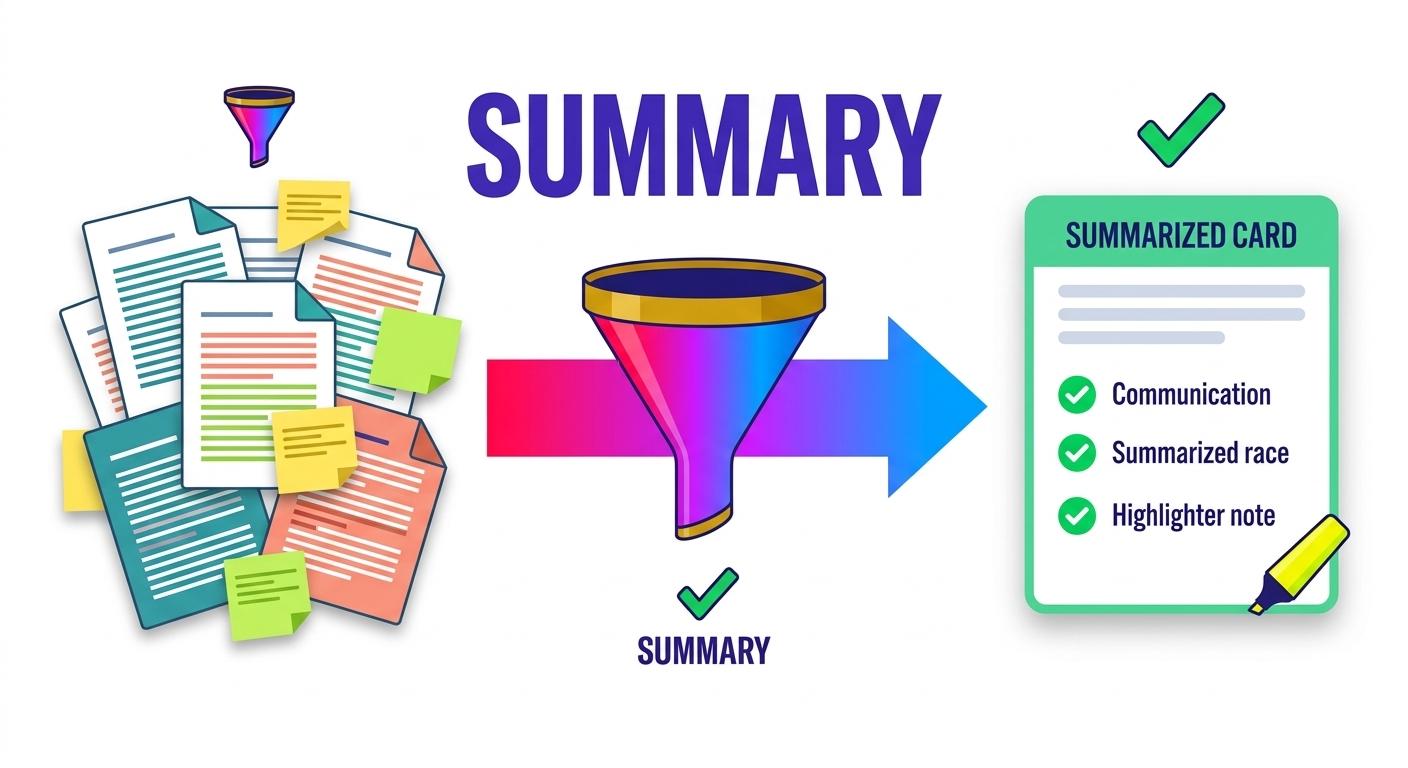
Preparing for an AI-driven workforce is not just about adopting new technologies; it’s about reshaping how we think about work itself. Embracing AI literacy, soft skills, and continuous learning are essential for success in this rapidly changing environment. Business leaders must take proactive steps to bridge the skill gap and foster a culture of innovation that empowers employees to thrive alongside AI technologies. By prioritizing ethical AI practices and investing in talent development, organizations can create a workforce that is ready to navigate the challenges and opportunities of the future job market.

Q1: What skills are essential for thriving in an AI-driven workforce?
A1: Essential skills include AI literacy, critical thinking, problem-solving, and soft skills such as creativity and collaboration. These skills enable employees to effectively leverage AI tools and adapt to the changing demands of their roles.
Q2: How can organizations bridge the skill gap in an AI-driven environment?
A2: Organizations can bridge the skill gap by investing in training programs that focus on both technical and soft skills. Collaborating with educational institutions and offering continuous learning opportunities can also help prepare employees for the future job market.
Q3: What role do business leaders play in preparing for an AI-driven workforce?
A3: Business leaders play a critical role in championing AI adoption, fostering a culture of innovation, and ensuring that employees are equipped with the necessary skills to thrive. They must also prioritize ethical AI practices to maintain trust and transparency within the organization.
Your Friend,
Wade