



Key Takeaways:
- AI agents can streamline routine tasks, and agentic AI systems possess autonomy and can manage workflows with minimal human intervention, allowing human workers to focus on more complex responsibilities.
- Understanding how to integrate multiple AI agents can enhance productivity and decision-making in various business contexts.
- The effective use of AI agents requires a blend of technical expertise and human oversight to ensure optimal performance and data privacy.
In today’s fast-paced work environment, the question on everyone’s lips is, “How do I use AI agents at work?” The rise of artificial intelligence has transformed the workplace, making it essential for professionals to understand how to leverage these tools effectively. AI agents are software systems designed to perform tasks autonomously, and they can be a game-changer for businesses looking to enhance productivity and efficiency.
Imagine having a virtual assistant that can handle repetitive tasks, manage data, and even assist in decision-making. That’s the power of AI agents. They can take on a variety of roles, from managing emails to analyzing complex data sets, freeing up human workers to focus on more strategic initiatives. The key is knowing how to implement these agents in a way that aligns with your business goals.
Understanding AI Agents
AI agents are specialized software programs that can perform tasks without human intervention. They can be programmed to handle routine tasks, analyze data, and even engage in conversations. AI agents can be categorized into several types based on their complexity and functionality, including simple-reflex agents, model-based reflex agents, goal-based agents, utility-based agents, and learning agents. The beauty of AI agents lies in their ability to learn from past interactions and improve over time—especially learning agents, which adapt and improve by learning from their environment. Large language models are often used to help AI agents understand and process information. The components of an AI agent depend on its specific function and tasks, ranging from simple devices like smart thermostats to complex systems like self-driving cars.
There are various types of AI agents, including generative AI, which can create content, and decision-making agents that analyze data to provide insights. Each type serves a unique purpose, and understanding these differences is crucial for effectively integrating them into your workflow. For instance, sales teams can use AI agents to automate follow-ups, while project managers might rely on them to track progress and manage tasks.
The Role of AI Agents in the Workplace
AI agents can significantly enhance workplace efficiency by automating routine tasks, handling routine tasks such as data retrieval, document management, and administrative duties. This allows human workers to focus on more complex responsibilities that require critical thinking and creativity. For example, an AI agent can handle data entry, scheduling, and even customer inquiries, which can save hours of manual work each week.
AI agents can also automate customer service operations by using chatbots to handle high volumes of inquiries, provide instant responses in multiple languages, and escalate complex issues to human agents.
Moreover, AI agents can act autonomously, meaning they can make decisions based on predefined parameters. This capability is particularly useful in environments where quick decision-making is essential. By utilizing AI agents, businesses can streamline operations and reduce the burden on their human teams, leading to a more productive work environment.
General AI agents are designed to perform tasks autonomously by observing their environment, planning actions, and executing tasks with minimal human oversight.
Integrating Multiple AI Agents
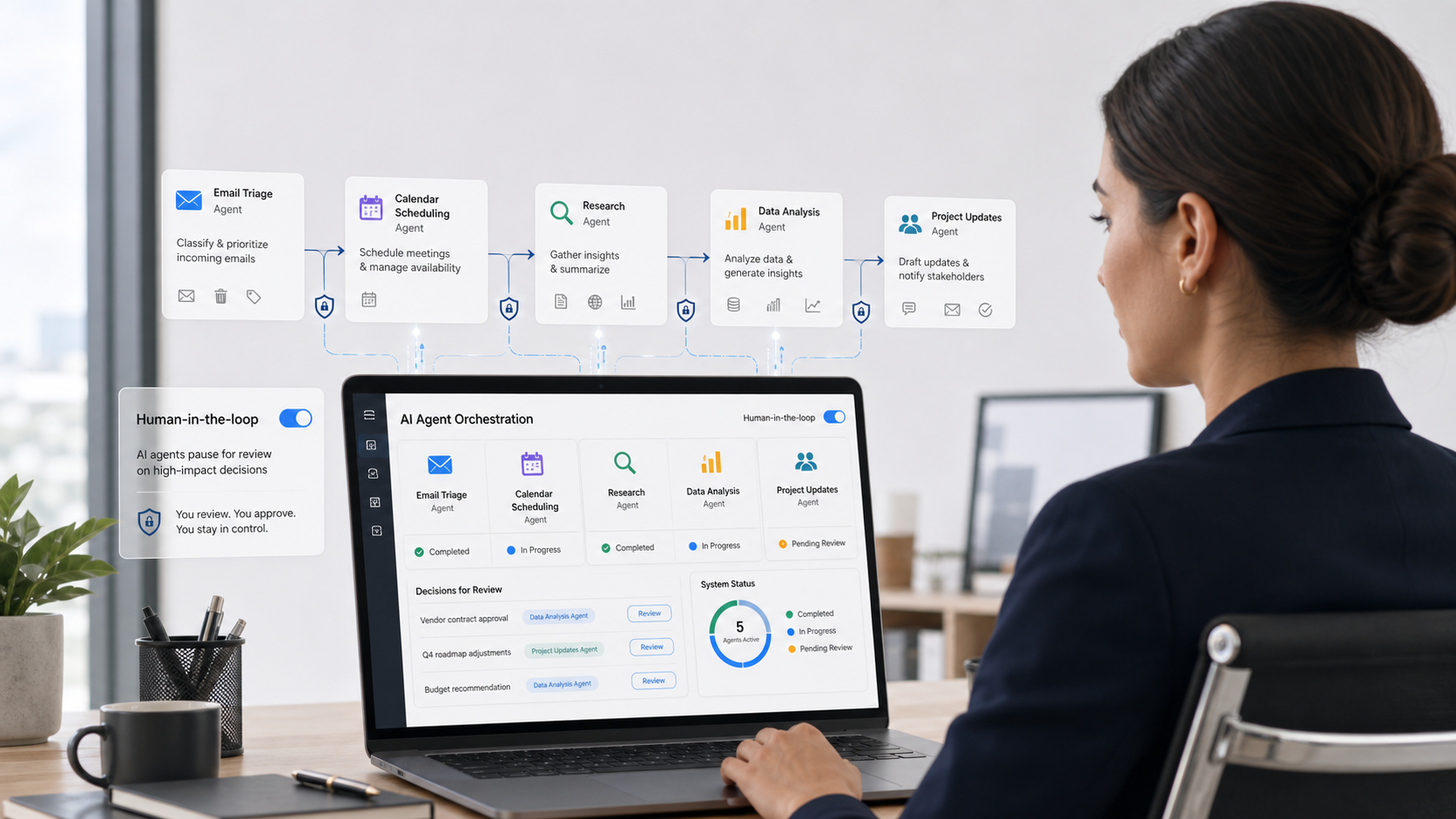
Using multiple AI agents can amplify their effectiveness. Multi-agent systems consist of multiple AI agents collaborating to complete complex tasks, with one agent acting as a control system that delegates tasks to specialized agents. By connecting different agents, businesses can create a more cohesive workflow that addresses various aspects of operations. For instance, one agent might handle customer service inquiries while another manages inventory levels. This interconnectedness allows for a seamless flow of information and tasks.
However, integrating multiple AI agents requires careful planning and technical expertise. It’s essential to connect agents seamlessly with existing tools and workflows, ensuring that these agents can communicate effectively with each other and with existing software systems. Agents work by integrating into workflows and automating tasks across business platforms, which might involve using APIs or other integration tools to facilitate data sharing and task management.
The Importance of Technical Expertise
While AI agents can perform many tasks autonomously, having technical expertise is crucial for their successful implementation. Understanding how to set up, configure, and maintain these agents can make a significant difference in their performance. This includes knowledge of AI models, programming languages, and data management practices. Organizations can also build agents to create tailored AI solutions for specific departmental workflows, customizing AI to handle tasks such as research, support, technical documentation, or data compilation.
Additionally, technical skills are necessary for troubleshooting and optimizing AI agents. If an agent isn’t performing as expected, having the ability to diagnose the issue and make adjustments can save time and resources. Investing in training for your team can ensure that they have the skills needed to maximize the potential of AI agents.
Managing Routine Tasks with AI Agents
One of the most significant advantages of AI agents is their ability to handle repetitive tasks. Agents follow standardized, multi-step workflows and processes to improve efficiency and reduce variability in routine activities. Additionally, agents focus on specific tasks or workflows within business platforms, emphasizing their specialized roles before potentially expanding to broader job functions. By automating these routine activities, businesses can free up their employees to focus on more strategic initiatives that require human insight and creativity.
For example, an AI agent can be programmed to send reminders for upcoming deadlines or to follow up with clients after meetings. This not only saves time but also ensures that important tasks are not overlooked. By managing routine tasks effectively, AI agents can contribute to a more organized and efficient workplace. AI agents can also significantly reduce the sales cycle by automating routine tasks such as document retrieval and customer interaction history analysis, allowing sales teams to concentrate on building relationships with potential customers.
Enhancing Decision-Making with AI Agents
AI agents can also play a vital role in decision-making processes. By analyzing data from various sources, these agents can provide insights that help businesses make informed choices. For instance, an AI agent can analyze sales data to identify trends and suggest strategies for improvement.
Moreover, AI agents can assist in multi-step decision-making processes. They can gather information, plan tasks, evaluate options, and present recommendations based on relevant data. This capability can be particularly beneficial in complex business environments where quick and accurate decision-making is essential.
Additionally, AI agents can be utilized to conduct prospect research, personalize outreach, and schedule meetings within sales and lead generation roles.
The Role of Human Oversight
While AI agents can operate autonomously, human oversight remains crucial. It’s essential to monitor their performance and ensure that they are functioning as intended. This oversight helps to mitigate risks associated with data privacy and ensures that the agents are making decisions aligned with company values.
Additionally, human workers can provide context that AI agents may lack. For example, while an AI agent can analyze data, it may not fully understand the nuances of a particular situation. Human input can help guide the agent’s decision-making process, ensuring that the outcomes are relevant and appropriate.
Building Your Own AI Agents
For businesses looking to customize their AI solutions, building your own agents can be a viable option. This process involves defining the specific tasks you want the agent to handle and programming it accordingly. While this requires technical expertise, the result can be a highly specialized agent that meets your unique needs.
Building your own AI agents also allows for greater control over data privacy and security. By developing an in-house solution, businesses can ensure that sensitive information is handled appropriately and that the agent operates within the desired parameters.
Leveraging Existing Tools
While building custom AI agents can be beneficial, many businesses may find that existing tools meet their needs. There are numerous AI platforms available that offer pre-built agents designed for various tasks. These tools can be integrated into your existing systems with relative ease, and can connect to various data sources such as CRM, knowledge bases, and file storage systems, allowing you to start reaping the benefits of AI without a significant investment in development.
When selecting existing tools, it’s essential to consider factors such as compatibility with your current systems, ease of use, and the level of support provided. Many platforms offer trial periods, allowing you to test their capabilities before committing to a purchase.
AI agents perform best when integrated into existing workflows and tools, operating seamlessly within the communication channels and data sources that teams already use.
The Impact of Generative AI
Generative AI is a rapidly growing field that has the potential to revolutionize the way businesses operate. These AI agents can create content, generate ideas, and even assist in software development. By leveraging generative AI, companies can enhance creativity and innovation within their teams, as well as optimize decision-making and operational efficiency through its integration into business analytics.
For example, a marketing team might use generative AI to brainstorm campaign ideas or create social media content. This not only saves time but also encourages collaboration and creativity among team members. By integrating generative AI into their workflows, businesses can unlock new possibilities and drive growth. In marketing, AI agents can enhance engagement and conversion rates by analyzing audience data and generating personalized content for campaigns, saving time for marketers to focus on strategic analysis.
Data Privacy Considerations
As businesses increasingly rely on AI agents, data privacy becomes a critical concern. It’s essential to ensure that any data collected by AI agents is handled securely and in compliance with relevant regulations. This includes implementing measures to protect sensitive information and ensuring that agents operate within established guidelines.
Additionally, businesses should be transparent with employees and customers about how their data is being used. This transparency can help build trust and ensure that stakeholders feel comfortable with the use of AI agents in the workplace.
The Future of AI Agents
The future of AI agents looks promising, with advancements in technology paving the way for even more sophisticated capabilities. AI agents today are already being utilized across various industries to automate routine tasks, improve efficiency, and streamline multi-system workflows, demonstrating their practical value in the current business environment. As AI models continue to evolve, we can expect agents to become more adept at handling complex tasks and providing valuable insights.
Moreover, the integration of AI agents into everyday workflows is likely to become more seamless. As businesses embrace these tools, we may see a shift in how work is organized and executed, with AI agents playing a central role in driving efficiency and innovation.
Training Your Team on AI Agents
To maximize the benefits of AI agents, it’s essential to invest in training for your team. This training should cover not only how to use the agents effectively but also how to understand their limitations and potential risks. By equipping your team with the necessary skills, you can ensure that they are prepared to leverage AI agents to their fullest potential.
Training can take various forms, including workshops, online courses, and hands-on experience. It's important to teach team members to use plain language when describing tasks and instructions for AI agents, so they can communicate clearly without technical jargon. Encouraging a culture of continuous learning can help your team stay up-to-date with the latest developments in AI technology and best practices.
Overcoming Challenges with AI Agents
While AI agents offer numerous benefits, there are challenges that businesses may face when implementing them. These can include technical issues, resistance to change, and concerns about job displacement. Integration with external sources and other systems can also present challenges, as ensuring seamless data flow and functionality across different platforms is often complex. Addressing these challenges requires a proactive approach and a willingness to adapt.
For instance, providing clear communication about the role of AI agents and how they will enhance, rather than replace, human work can help alleviate fears. Additionally, having a dedicated team to troubleshoot technical issues can ensure that any problems are resolved quickly, minimizing disruptions to workflow.
The Societal Implications of AI Agents
As AI agents become more prevalent in the workplace, it’s essential to consider their societal implications. This includes understanding how they may impact employment, privacy, and ethical considerations. Engaging in discussions about these topics can help businesses navigate the complexities of AI integration responsibly.
Moreover, businesses should strive to use AI agents in ways that promote inclusivity and equity. This might involve ensuring that AI systems are designed to be accessible to all employees and that they do not perpetuate biases present in the data they are trained on. Providing AI systems with relevant context is also crucial to avoid perpetuating biases and to ensure more accurate and fair outcomes.
The Prompt Engineering Process
To effectively utilize AI agents, understanding the prompt engineering process is crucial. This involves crafting clear and concise prompts that guide the agent’s actions and responses. The quality of the prompts can significantly impact the agent’s performance and the relevance of the information it provides. Including background information as part of the prompt is essential, as it provides context to the agent, helping it operate effectively, maintain the appropriate tone, and align with task constraints, especially for longer or more complex tasks.
For example, when instructing an AI agent to gather information, providing specific details about the desired outcome can lead to more accurate results. It is also important to monitor whether the agent can complete tasks as instructed, ensuring it fulfills assigned instructions, handles edge cases, and stays within its scope. By mastering the art of prompt engineering, businesses can enhance the effectiveness of their AI agents and ensure that they deliver valuable insights.
Effective prompts should include a clear task definition, context, success criteria, and instructions for handling edge cases. Good prompting practices involve structuring prompts with clear section headers, breaking tasks into numbered steps, and including examples of expected output formats.
Managing Conversation Threads
AI agents often engage in conversation threads, which can be complex and multifaceted. Managing these threads effectively is essential for ensuring that the agent can follow the context and provide relevant responses. This requires a clear understanding of how the agent processes information and how to structure interactions.
For instance, when using an AI agent for customer support, it’s important to maintain a coherent conversation flow. This can involve referencing past interactions, searching and analyzing past conversations, and ensuring that the agent can process information from conversation threads to access relevant details and provide accurate, informed answers.
Utilizing External Tools
In addition to using AI agents, businesses can benefit from integrating external tools into their workflows. These tools can enhance the capabilities of AI agents and provide additional resources for managing tasks. For example, integrating project management software with AI agents can streamline task tracking and improve collaboration among team members. Connecting AI agents to external systems, such as knowledge bases or web services, further enhances their functionality and allows them to access a broader range of data. Additionally, AI agents can retrieve and consolidate company information across various platforms and departments, helping to streamline workflows, support decision-making, and improve overall efficiency.
When selecting external tools, it’s essential to consider compatibility and ease of integration. Many platforms offer APIs that allow for seamless connections between systems, enabling businesses to create a more cohesive workflow.
Solving Problems with AI Agents
AI agents can be invaluable for problem-solving within organizations. By analyzing data from multiple sources and identifying patterns, these agents can break down complex tasks into manageable components to solve problems and help businesses uncover solutions to complex challenges. For instance, an AI agent might analyze customer feedback from various input points to identify areas for improvement in a product or service.
Moreover, AI agents can assist in brainstorming sessions by generating ideas and suggestions based on relevant data. This collaborative approach can lead to innovative solutions and drive continuous improvement within the organization.
Gathering Information Efficiently
One of the primary functions of AI agents is to gather information efficiently. Whether it’s conducting research, analyzing data, or compiling reports, AI agents can streamline the information-gathering process by performing multi step tasks, such as breaking down complex research into sequential stages and handling each step systematically. This not only saves time but also ensures that decision-makers have access to the most relevant and up-to-date information.
For example, an AI agent can be programmed to monitor industry trends and provide regular updates to the team. This proactive approach can help businesses stay ahead of the competition and make informed decisions based on current market conditions.
Handling Edge Cases
In any business environment, edge cases can arise that require special attention. AI agents can be programmed to recognize and address these edge cases, ensuring that they can adapt to unexpected situations and select the best course of action for optimal results. This flexibility is essential for maintaining operational efficiency and delivering high-quality results.
For instance, if an AI agent encounters a unique customer inquiry that falls outside of its usual parameters, it can be designed to escalate the issue to a human worker for further assistance. This collaborative approach ensures that all customer needs are met while allowing AI agents to focus on routine tasks.
Streamlining Daily Workflows
AI agents can significantly streamline daily workflows by automating repetitive tasks and managing information flow step by step. This methodical approach can lead to a more organized and efficient work environment, where employees can focus on high-value activities. By integrating AI agents into daily operations, businesses can enhance productivity and improve overall performance.
For example, an AI agent can automate the scheduling of meetings, sending out calendar invites and reminders to participants. This not only saves time but also reduces the likelihood of scheduling conflicts, ensuring that meetings run smoothly.
AI agents are most effective when they are embedded within the tools and systems that teams already use, facilitating seamless access to data and reducing the need for context switching.
Managing Multi-Step Plans
Many business processes involve multi-step plans that require careful coordination. AI agents can assist in managing these plans by tracking progress, sending reminders, and ensuring that all tasks are completed on time. These agents can break down complex problems into multiple steps, enabling accurate execution at each stage. This capability is particularly valuable in project management, where timelines and deliverables are critical.
By utilizing AI agents to manage multi-step plans, businesses can enhance accountability and ensure that projects stay on track. This proactive approach can lead to improved outcomes and greater satisfaction among team members and stakeholders. It's also important to establish guardrails by setting clear rules, boundaries, and performance metrics for each agent.
Building a Knowledge Base
Creating a knowledge base is essential for maximizing the effectiveness of AI agents. This repository of information can provide agents with the context they need to perform tasks and make informed decisions. By compiling relevant data, businesses can ensure that their AI agents have access to the information necessary for success.
For example, a customer service knowledge base might include FAQs, troubleshooting guides, and product information. This resource can empower AI agents to provide accurate and timely responses to customer inquiries, enhancing the overall customer experience.
The Importance of Human Review
While AI agents can operate autonomously, human review is essential for ensuring quality and accuracy. Regularly reviewing the performance of AI agents can help identify areas for improvement and ensure that they are meeting the desired standards. This oversight is particularly important in industries where accuracy and compliance are critical.
For instance, in the financial sector, AI agents may be responsible for processing transactions and analyzing data. Regular human review can help ensure that these processes are carried out correctly and that any discrepancies are addressed promptly.
AI agents are transforming the workplace by automating routine tasks, enhancing decision-making, and streamlining workflows. By understanding how to effectively integrate these agents into your operations, you can unlock their full potential and drive productivity within your organization. Whether you choose to build your own agents or leverage existing tools, the key is to ensure that they align with your business goals and are supported by the necessary technical expertise and human oversight.

Q1: How can AI agents help my sales team?
AI agents can automate follow-ups, manage customer inquiries, and analyze sales data to identify trends. This allows sales teams to focus on building relationships and closing deals rather than getting bogged down in administrative tasks.
Q2: What are the risks associated with using AI agents?
The primary risks include data privacy concerns, potential biases in decision-making, and the need for human oversight to ensure accuracy. It’s essential to implement measures to mitigate these risks and ensure that AI agents operate within established guidelines.
Q3: Can I build my own AI agents?
Yes, businesses can build their own AI agents tailored to their specific needs. This process requires technical expertise but can result in highly specialized agents that align with your unique business goals.
Your Friend,
Wade