



Key Takeaways:
- The AI industry is experiencing inflated valuations reminiscent of the dot-com bubble, raising concerns among investors.
- Many AI companies are facing challenges similar to those seen in traditional software business models, leading to fears of a market correction.
- The ongoing tech sector volatility and economic factors could signal a potential burst of the AI bubble, leaving investors on edge.
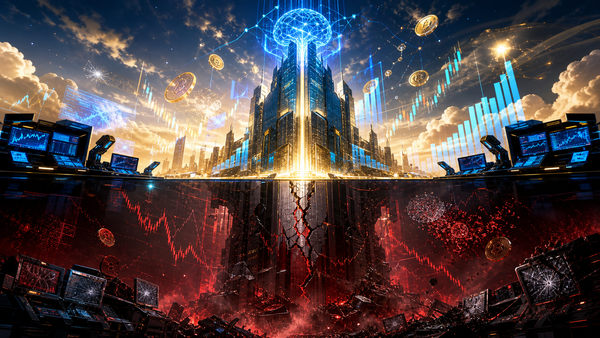
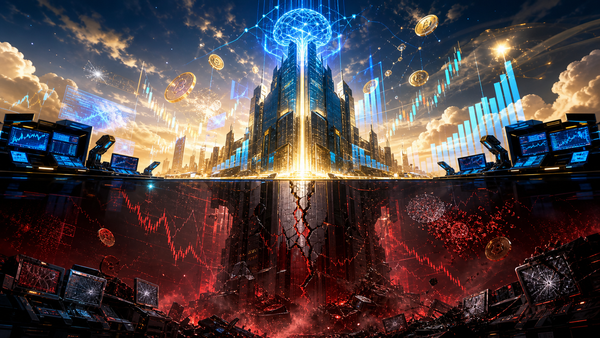
- In some respects, the AI bubble has already burst, with significant impacts on technology and semiconductor sectors as valuations have dropped due to investor fears.
- Whether a bubble exists is still debated, but the massive investments in data centers and their high infrastructure costs are central to AI companies' financial risks and could affect the sustainability of the sector.
The Dot-Com Era: A Cautionary Tale
Remember the dot-com bubble? It was a wild ride, with tech companies sprouting up like weeds in a garden. Investors were throwing money at anything with a “.com” at the end, convinced they were about to strike gold. But when the bubble burst, it was like a balloon losing air—sudden and painful. Fast forward to today, and we see a similar pattern emerging in the AI industry, drawing direct comparisons to the dotcom bubble, which was marked by extreme overvaluation and unsustainable growth.
AI companies are being valued at astronomical figures, often based on projections that seem more like wishful thinking than solid business models. Just like the dot-com era, many of these companies are relying on the promise of future profits rather than actual earnings. This has led to inflated valuations that have investors scratching their heads and wondering if they’re about to witness another spectacular crash. Recently, the price earnings ratio fell from its peak, showing inflated valuations similar to the dotcom bubble.
To put this in perspective, the price-earnings ratio for the IT sector peaked at nearly 75% in late 2024, which is significantly lower than the over 150% seen during the dot-com bubble. In late 2025, the S&P 500 was trading at about 23 times forward earnings, indicating that valuations were reportedly the most stretched since the dot-com bubble.
The AI Investment Landscape
The AI investment landscape is a mixed bag, with some companies showing promise while others seem to be riding the hype train straight to nowhere. Investors are pouring money into AI projects, hoping to catch the next big wave. However, the reality is that many of these projects are still in their infancy, and the path to profitability is anything but clear. As of fall 2025, there were 498 AI unicorns with a combined valuation of $2.7 trillion, according to data from tech market intelligence platform CB Insights.
Take, for instance, the software services industry. Many AI companies are trying to replicate traditional software business models, such as software as a service, but they’re finding it harder than expected. The price-to-earnings ratio for some of these firms has fallen faster than a lead balloon, raising eyebrows among savvy investors. This was especially evident during the recent 'SaaSpocalypse,' where SaaS stocks like Salesforce and ServiceNow saw significant declines due to concerns over AI-driven disruption. Despite significant investments in AI, a report indicated that 95% of organizations were getting zero return on their AI investments, and 90% of firms see no impact of AI on productivity, raising concerns about the sustainability of current valuations. Reporting regular AI investment results is crucial to monitor the sustainability of these trends and to identify potential market bubbles or downturns. Additionally, many AI companies are relying on private credit to finance large-scale infrastructure and software as a service models, which may not be sustainable in the long run.
The Fear Factor: Investors on Edge
As the AI bubble continues to inflate, investors are feeling the heat. The fear of a market correction looms large, and many are starting to question the sustainability of these inflated valuations. Investors fear agentic AI could disrupt business models and valuations, leading to overvaluations and increased market volatility. The tech sector is notorious for its volatility, and the current economic climate isn’t doing any favors for investors’ peace of mind.
With the ongoing Iran war and other geopolitical tensions, the general sense of uncertainty is palpable. High demand fuelling the chip shortage, along with industries obstacles such as geopolitical tensions and supply chain disruptions, are creating additional risks for the sector. The world's supply of critical resources, like helium, is being affected, which impacts data center costs and AI company earnings. Ongoing geopolitical tensions have disrupted supply chains and increased input costs for data centers, further impacting the earnings of companies involved in AI. Investors are looking for signs that the AI bubble might be on the verge of bursting, and they’re not alone. Analysts are raising red flags, warning that the AI industry could be heading for a rough patch if things don’t change soon.
Circular Financing: A Recipe for Disaster?
One of the more concerning trends in the AI industry is the rise of circular financing. This is where companies are essentially funding each other in a never-ending loop, creating an illusion of stability. Some analysts argue this is evidence that a bubble exists in the AI sector, as inflated valuations can be sustained by such financial structures rather than intrinsic worth. It’s like a game of musical chairs, and when the music stops, someone is going to be left standing without a seat.
This circular financing model can lead to inflated valuations that don’t reflect the true health of the companies involved. If the music stops and the bubble bursts, it could leave many investors holding the bag. The AI industry needs to be cautious about this trend, as it could spell disaster for those who are heavily invested in these companies.
The Role of Big Tech
Big tech companies are also playing a significant role in the AI bubble. With their enormous profits and resources, they’re able to invest heavily in AI projects, driving up valuations across the board. However, this has led to concerns about whether these inflated valuations are sustainable in the long run. Massive investments in data centers, with trillion-dollar capex planned for development and high operating costs, are central to supporting AI growth but also add significant financial risk to these companies.
Goldman Sachs has pointed out that the AI sector is showing signs of inflated valuations, similar to what we saw during the dot-com bubble. The tech companies are leaving investors wondering if they’re in a bubble or if there’s solid ground beneath their feet. The ongoing chip shortage and the demand for computer chips are also contributing to the uncertainty, as these factors could impact the profitability of AI companies. Additionally, challenges to manufacture computer chips—such as global supply chain disruptions and rising input costs—are further complicating the outlook for tech companies involved in AI. Some workers are leaving tech companies due to concerns about the sustainability of profit growth amidst these industry challenges. OpenAI, for example, is projected to lose $74 billion in 2028 alone, highlighting the risk of unsustainable business models as many AI companies continue to subsidize their services and struggle to cover operational costs in the long term.
Introduction to Artificial Intelligence
Artificial intelligence isn’t just a buzzword anymore—it’s the engine powering a new era in the global economy. The AI industry has exploded onto the scene, attracting waves of investment and sending the financial market into a frenzy reminiscent of the dot-com era. Everywhere you look, AI companies are promising to revolutionize everything from healthcare to finance, and investors are lining up for a piece of the action. But as the AI stock bubble inflates, so do concerns that this rapid ascent might be too good to last.
The term “AI bubble” typically refers to a situation where the valuations of AI companies soar far beyond their actual worth, driven by sky-high expectations and a dash of speculation. We’ve seen this movie before: the dot-com bubble of the early 2000s, where tech sector optimism sent stock prices rocketing upward—until reality set in and the bubble burst. Today, some experts warn that the AI industry could be following the same script, with inflated valuations and circular financing creating a precarious foundation.
The tech sector is feeling the heat. While some AI companies are reporting enormous profits and tech companies’ earnings have reached eye-popping levels, the price-earnings ratio has started to fall—a classic sign that the market may be correcting itself. The software services industry group, once the darling of AI investment, is now grappling with the challenge of adapting traditional software business models to the new AI landscape. Meanwhile, the ongoing Iran war and global chip shortage are putting pressure on the world’s supply of computer chips, a critical component of AI infrastructure.
John Higgins, chief markets economist at Capital Economics, has gone so far as to say the AI bubble has already burst in some respects, pointing to the lowest P/E ratios since the pandemic. He notes that the semiconductor industry, which underpins much of the AI boom, is now facing obstacles from both high demand and geopolitical tensions. Even as the biggest public tech firms report solid earnings and valuations soar, the anti-bubble camp argues that these enormous profits may not be sustainable, and that the real bubble could be lurking in the earnings themselves—not just in stock prices.
Goldman Sachs projects a staggering $539 billion in AI capital expenditure by 2026, but there’s a growing sense that AI earnings could hit a wall if demand doesn’t keep pace. The rapid selloff in SaaS industry stocks and the contrasting combined valuation of AI companies highlight the volatility rippling through the tech sector. The housing bubble of 2008 serves as another cautionary tale, reminding us that even the most promising markets can face a sudden and painful correction.
Despite these warning signs, the AI industry is still in its early innings. One AI bubble may have already burst, but as Higgins suggests, another could be quietly inflating. The financial market is watching closely, wary of circular financing and the potential for a dramatic bubble burst. While tech companies’ earnings remain robust, there’s a general sense that inflated valuations may soon face a reckoning.
The world’s insatiable demand for computer chips is fueling a persistent chip shortage, and Bloomberg Intelligence reports that the IT sector’s P/E ratio, while not at historic highs, still signals caution. Higgins suggests that the semiconductor industry is now facing the same pattern of challenges that once plagued the SaaS industry: high demand, supply chain disruptions, and the ever-present threat of a market correction.
Recent quarters have seen some AI companies, like OpenAI, reach staggering valuations—CFO Sarah Friar recently reported a $730 billion figure. But as Higgins argues, it’s not just SaaS companies feeling the pressure; the semiconductor industry is also navigating choppy waters. The same pattern of inflated valuations followed by correction has played out before, most notably during the dot-com bubble’s dramatic collapse.
Solid evidence will be needed to justify the current sky-high valuations of AI companies, especially as the global economy remains uncertain. Innovations like the Claude code show AI’s disruptive potential, but rising energy prices and industry obstacles—from chip shortages to geopolitical tensions—could slow the industry’s momentum.
Ultimately, the combined valuation of AI companies and the rapid selloff in SaaS stocks paint a picture of a tech sector at a crossroads. If the AI bubble bursting becomes reality, the impact on the global economy could be profound, especially in a K-shaped economy where gains and losses are unevenly distributed. For now, the AI industry continues to attract investment and attention, but the financial market is on high alert, watching for the next twist in this unfolding story.
The AI Circus: Juggling Expectations and Reality
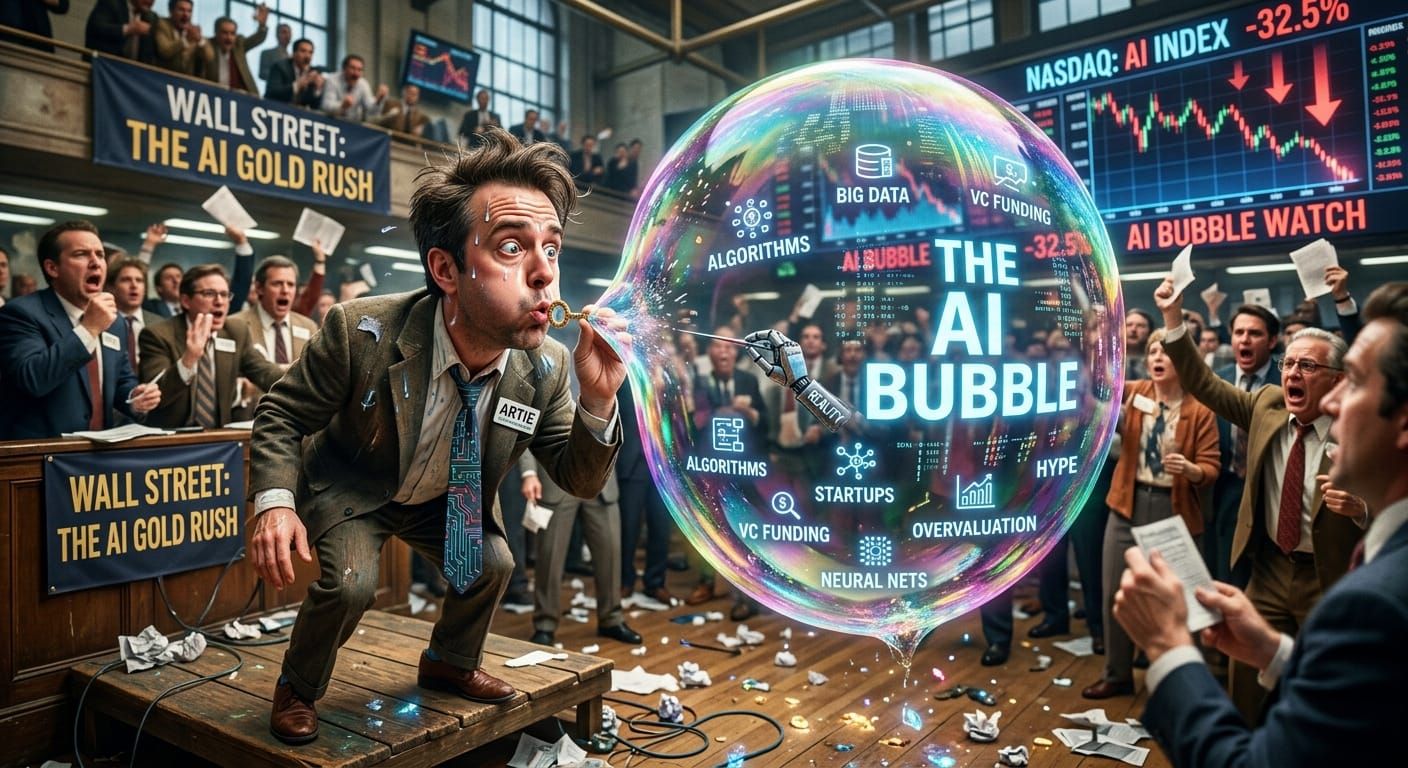
Welcome to the AI circus, where investors are the clowns juggling flaming torches of inflated valuations! Picture this: a tech company claiming it can predict the future, while its stock price does a wild dance like a tightrope walker. The AI bubble is a spectacle, with companies throwing around buzzwords like confetti at a parade. Share prices soar and have rocketed upward, fueled by tech boosters and relentless hype, raising questions about how long this extraordinary growth can last. But just like a clown car, the more you look inside, the more you realize it’s packed with questionable investments and overhyped promises. Investors are left wondering if they’re watching a magic show or a tragic comedy. Meanwhile, the SaaS industry is taking a hit as fears of AI disruption spark rapid selloffs and shake investor confidence.
As the AI industry continues to grow, the stakes are high, and the pressure is on. Investors are like kids in a candy store, eager to grab the latest AI project, but they might end up with a mouthful of sour gummies instead. The fear of an impending bubble burst looms large, and the tech sector is feeling the heat. Just like a circus performer who’s lost their balance, the AI bubble could come crashing down if companies don’t deliver on their promises. So, hold onto your popcorn, folks; this show is just getting started!
The AI Investment Rollercoaster: Buckle Up!
Strap in, because the AI investment rollercoaster is about to take you on a wild ride! One moment, you’re soaring high with soaring stock prices, and the next, you’re plummeting down into the depths of market corrections. The stock market has shown significant volatility, with the IT sector playing a major role in recent corrections and downturns. It’s a thrilling experience, but not for the faint of heart. Investors are screaming with excitement and fear, wondering if they’ll make it out alive or if they’ll be left holding the bag of inflated valuations. Just like a rollercoaster, the AI bubble has its ups and downs, and it’s anyone’s guess where it will take us next. Notably, the price earnings ratio fell for many tech and AI companies, which some analysts see as evidence that a bubble exists or is starting to deflate.
But let’s not forget the tech companies that are trying to keep their heads above water. They’re like brave souls trying to navigate a stormy sea, hoping to avoid the dreaded shipwreck of circular financing. With the ongoing chip shortage and the looming fear of a bubble burst, the AI industry is facing obstacles that could derail its growth. Investors are left clutching their wallets, hoping for a miracle while keeping an eye on the horizon for signs of stability. So, hold onto your hats, because this rollercoaster is far from over!
The K-Shaped Economy: Winners and Losers
The current economic climate is often described as a K-shaped economy, where some sectors are thriving while others are struggling. The AI industry has certainly seen its share of winners, but there are also plenty of losers who are feeling the pinch. This disparity is raising questions about the sustainability of the AI bubble.
As the tech sector continues to evolve, it’s becoming increasingly clear that not all AI companies will survive. Some are thriving, while others are facing significant challenges. This divide is causing investors to reevaluate their positions and consider whether they’re backing the right horses in this race.
AI Valuations: The Numbers Game
When it comes to AI valuations, the numbers can be deceiving. Many companies are boasting impressive figures that don’t necessarily translate into real-world profits. The price-to-earnings ratio for some of these firms has fallen dramatically, leading to concerns about whether they’re overvalued. In fact, certain AI companies are showing inflated valuations, with market values that appear unsustainable when compared to their actual earnings and growth prospects.
Investors are starting to take a closer look at the fundamentals of these companies, rather than just the flashy numbers. The reality is that many AI companies are still figuring out their business models, and the road to profitability is fraught with obstacles. To better assess the sustainability of these valuations, it is crucial to report regular AI investment results and monitor ongoing performance. This has led to a growing sense of skepticism among investors, who are wary of getting burned in another bubble.
The AI Earnings Report: A Reality Check
As AI companies release their earnings reports, investors are eagerly awaiting the results. These reports can serve as a reality check, revealing whether these companies are living up to their lofty valuations. For example, Nvidia's strong fourth quarter results have drawn significant attention, highlighting robust performance in the final quarter of the fiscal year. If the earnings don’t match the hype, it could lead to a significant sell-off and a potential market correction.
The earnings reports are also a chance for investors to gauge the health of the AI industry as a whole. If the majority of companies are struggling to meet expectations, it could signal that the bubble is on the verge of bursting. Higgins argued that while valuations are high, the real risk may lie in the sustainability of current earnings. Higgins noted that market trends and valuations should be carefully monitored, especially as economic and geopolitical uncertainties persist. Higgins suggested that a bubble may exist in the fundamental earnings of major tech firms, rather than just in their stock prices. As Higgins told Fortune, investors should be cautious about assuming that current profit levels can be maintained indefinitely. Investors need to keep a close eye on these reports to determine whether they should stay in the game or cut their losses.
The Tech Sector’s Volatility
The tech sector is known for its volatility, and the AI industry is no exception. With stock prices soaring and plummeting at a moment’s notice, investors are left feeling like they’re on a rollercoaster ride. This volatility can be both exciting and nerve-wracking, as fortunes can change in the blink of an eye.
The ongoing economic factors, such as inflation and geopolitical tensions, are adding to the uncertainty in the tech sector. Investors are left wondering whether the AI bubble is sustainable or if it’s just a matter of time before it bursts. The volatility of the tech sector is a reminder that investing in AI is not for the faint of heart.
The Anti-Bubble Camp
As the AI bubble continues to grow, there’s a growing camp of skeptics who believe that it’s all just smoke and mirrors. These “anti-bubble” advocates argue that the inflated valuations are unsustainable and that a correction is inevitable. They point to the similarities between the current AI landscape and the dot-com bubble as evidence that history may be repeating itself.
This camp is gaining traction as more investors begin to question the sustainability of the AI bubble. They argue that the hype surrounding AI is blinding investors to the reality of the situation. As more voices join the anti-bubble camp, it’s becoming increasingly clear that the AI industry needs to address these concerns before it’s too late.
The Future of AI: What Lies Ahead?
As we look to the future of AI, the question remains: what lies ahead for this burgeoning industry? Will it continue to thrive, or are we on the brink of a major correction? The answer is likely somewhere in between, as the AI industry navigates the challenges and opportunities that lie ahead.
Investors need to stay informed and be prepared for the possibility of a market correction. The AI bubble may not burst overnight, but the signs are there, and it’s essential to keep a close eye on the developments in the industry. The future of AI is uncertain, but one thing is for sure: it’s going to be an interesting ride.

The AI bubble is a hot topic, with inflated valuations and investor fears swirling around like a tornado. The similarities to the dot-com bubble are hard to ignore, and the potential for a market correction looms large. As the AI industry continues to evolve, investors must stay vigilant and be prepared for whatever comes next. Whether the bubble bursts or not, one thing is certain: the AI landscape is changing, and it’s up to investors to navigate these uncharted waters.
Your Friend,
Wade

Q1: What are the signs that the AI bubble might burst?
A1: Signs include inflated valuations, declining earnings reports, and increasing skepticism among investors. If many companies fail to meet expectations, it could signal a potential market correction.
Q2: How does the AI industry compare to the dot-com bubble?
A2: Both the AI industry and the dot-com bubble share similarities in terms of inflated valuations and reliance on future profits rather than actual earnings. This raises concerns about sustainability.
Q3: What should investors do in light of the AI bubble?
A3: Investors should stay informed about market trends, closely monitor earnings reports, and be prepared for potential volatility. Diversifying investments and being cautious can help mitigate risks associated with the AI bubble.