





Artificial Intelligence (AI) is no longer a concept confined to science fiction. It's a reality that's reshaping industries, economies, and societies. However, as we embrace this technological advancement, it's crucial to understand the potential pitfalls that accompany it. This article delves into the top dangers associated with AI, offering insights into how these risks can impact our world.
Key Takeaways:
- AI systems can pose significant security and ethical risks, including data privacy concerns and potential misuse by malicious actors.
- The lack of clear legal regulations and transparency in AI development raises concerns about accountability and fairness.
- AI's potential to displace jobs and alter democratic processes underscores the need for proactive measures and human oversight.
Understanding AI Systems and Their Potential Risks
AI systems are designed to mimic human intelligence, but they operate on a different plane. These systems rely heavily on training data, which can introduce biases and inaccuracies. The way AI algorithms process this data can lead to unintended consequences, making AI safety a major concern.
AI technology is advancing at a rapid pace, but the security risks associated with it are equally significant. AI systems can be vulnerable to data breaches, where sensitive information is exposed to unauthorized users. This not only compromises data privacy but also poses a threat to individuals and organizations alike.
The Role of AI in Decision Making
AI decision making is a double-edged sword. On one hand, it can enhance efficiency and accuracy; on the other, it can lead to harmful outcomes if not properly managed. AI systems operate based on the data they are fed, which means any bias in the training data can result in unfair treatment of certain groups.
The risk of AI bias is a pressing issue. When AI models are trained on biased data, they can perpetuate existing inequalities and exacerbate social divides. This emphasizes the need for AI transparency and the development of ethical guidelines to ensure AI systems are fair and just.
Legal and Ethical Challenges in AI Development
The legal landscape surrounding AI is murky at best. With few regulations in place, AI developers often operate in a gray area, raising concerns about accountability and legal responsibility. This lack of clarity can lead to significant harm, as there are no clear guidelines on how to address AI-related issues.
AI ethics is another area that requires attention. As AI capabilities expand, so do the ethical dilemmas associated with their use. From autonomous vehicles to AI chatbots, these technologies can have serious implications for human values and societal norms. It's crucial to establish ethical frameworks that guide AI development and use.

Security Threats and AI Misuse
AI systems are not immune to cyber threats. Malicious actors can exploit vulnerabilities in AI algorithms to carry out malicious requests, leading to security threats that can have far-reaching consequences. This is particularly concerning in the context of autonomous weapons, where AI misuse can result in catastrophic outcomes.
The potential for AI to be used for harmful purposes is a significant risk. Bad actors can manipulate AI systems to spread fake news, disrupt democratic processes, and even cause physical harm. This underscores the importance of implementing robust security measures to protect AI systems from misuse.
The Impact of AI on Human Labor
AI's impact on human labor is a topic of much debate. While AI has the potential to enhance productivity and create new job opportunities, it also poses a threat to existing jobs. AI-driven automation can lead to job displacement, particularly in industries that rely heavily on routine tasks.
The shift towards an AI-driven future requires careful consideration of the human workforce. It's essential to develop strategies that support workers in transitioning to new roles and acquiring the skills needed to thrive in an AI-dominated landscape. This includes investing in education and training programs that prepare individuals for the jobs of tomorrow.
Data Privacy and Protection Concerns
Data privacy is a major concern in the age of AI. AI systems rely on vast amounts of data to function, which raises questions about how this data is collected, stored, and used. Data breaches can have serious implications for individuals and organizations, highlighting the need for stringent data protection measures.
The risks associated with data collection are not limited to privacy concerns. Data poisoning, where malicious actors intentionally introduce false data into AI systems, can lead to inaccurate AI outputs and potentially harmful outcomes. This emphasizes the need for robust data validation processes to ensure the integrity of AI systems.
The Challenge of AI Transparency
AI transparency is crucial for building trust in AI systems. Without clear insights into how AI algorithms make decisions, it's difficult to hold AI developers accountable for their actions. This lack of transparency can lead to unclear legal regulation and hinder efforts to address AI-related issues.
Transparency measures are essential for ensuring that AI systems operate fairly and ethically. By providing visibility into AI decision-making processes, we can identify and address biases, improve accountability, and foster public trust in AI technologies.
The Risk of Losing Control Over AI Systems
One of the most significant dangers associated with AI is the risk of losing control over these systems. As AI becomes more autonomous, the potential for system failures and unintended consequences increases. This can lead to existential risks, where AI systems operate in ways that are harmful to humans and society.
Human oversight is critical in mitigating these risks. By maintaining a level of human intervention in AI systems, we can ensure that they align with human values and operate in ways that are beneficial to society. This includes implementing fail-safes and monitoring mechanisms to prevent AI systems from going rogue.
The Threat of Autonomous Vehicles
Autonomous vehicles are a prime example of AI's potential to revolutionize industries. However, they also pose significant risks. The safety of autonomous vehicles depends on the reliability of AI algorithms, which can be compromised by data inaccuracies and system failures.
The potential for accidents and malfunctions in autonomous vehicles raises concerns about public safety and legal responsibility. It's crucial to establish clear regulations and safety standards to ensure that these vehicles operate safely and effectively on our roads.
The Influence of AI on Democratic Processes
AI's influence on democratic processes is a growing concern. AI systems can be used to manipulate public opinion, spread misinformation, and interfere with elections. This poses a threat to the integrity of democratic institutions and the fairness of electoral processes.
Proactive measures are needed to protect democratic processes from AI-driven manipulation. This includes implementing safeguards to prevent the spread of fake news and ensuring that AI systems are used ethically and responsibly in political contexts.

The Ethical Implications of AI Assistants
AI assistants, such as virtual personal assistants and chatbots, are becoming increasingly common in our daily lives. While they offer convenience and efficiency, they also raise ethical concerns about privacy, consent, and human interaction.
The use of AI assistants requires careful consideration of ethical guidelines to ensure that they respect user privacy and operate transparently. This includes providing users with clear information about how their data is used and ensuring that AI assistants do not engage in deceptive or manipulative practices.
The Potential for AI to Cause Harm
AI's potential to cause harm is a significant concern. From biased decision-making to security threats, AI systems can have serious implications for individuals and society. It's essential to address these risks proactively to prevent harmful outcomes.
The development of AI technologies must prioritize safety and ethical considerations. By implementing rigorous testing and validation processes, we can ensure that AI systems operate safely and do not pose a threat to human well-being.
The Role of AI in Job Displacement
AI's impact on employment is a topic of much debate. While AI has the potential to create new job opportunities, it also poses a threat to existing jobs. AI-driven automation can lead to job displacement, particularly in industries that rely heavily on routine tasks.
The shift towards an AI-driven future requires careful consideration of the human workforce. It's essential to develop strategies that support workers in transitioning to new roles and acquiring the skills needed to thrive in an AI-dominated landscape. This includes investing in education and training programs that prepare individuals for the jobs of tomorrow.

The Unseen Threat of AI in Cybersecurity
In the digital age, AI technology is both a boon and a bane, especially when it comes to cybersecurity. AI systems operate with incredible efficiency, but they also open the door to significant security risks. Imagine AI as a double-edged sword; while it can detect and neutralize threats faster than any human, it can also be manipulated by malicious actors to create sophisticated cyber threats. AI-driven future scenarios often depict a world where AI systems, if not properly monitored, could lead to data breaches and unauthorized access to sensitive information, raising concerns about data protection and privacy.
AI developers are constantly in a race against time, developing AI models that can outsmart potential threats. However, the rapid pace of AI development sometimes outstrips the creation of robust security measures. This imbalance can lead to AI systems being vulnerable to data poisoning and other forms of manipulation. The risk emphasizes the need for proactive measures and human oversight to ensure AI safety. Without clear legal regulations and transparency measures, AI applications could inadvertently cause significant harm, making AI dangerous in the wrong hands. It's crucial to address these associated risks to safeguard against potential existential threats.
The Unseen Threat of AI Bias
Artificial intelligence, with its dazzling capabilities, often hides a shadowy side—AI bias. Imagine a world where AI systems, trained on skewed data, make decisions that unfairly impact individuals. This bias can lead to unfair treatment, where AI outputs reflect societal prejudices rather than objective truths. For instance, AI algorithms used in hiring processes might favor certain demographics over others, raising concerns about fairness and equality. The risk emphasizes the need for AI developers to ensure that training data is diverse and representative, minimizing the potential for harmful outcomes.
AI bias is a significant concern because it can perpetuate existing inequalities and create new ones. When AI systems operate without human oversight, they may inadvertently reinforce stereotypes, leading to serious threats to social justice. Proactive measures, such as implementing transparency measures and involving human intervention in AI decision making, are crucial. By addressing these associated risks, we can work towards developing AI that aligns with human values and ethics, ensuring that AI technology serves as a tool for progress rather than a source of harm.
The Looming Danger of Autonomous Weapons
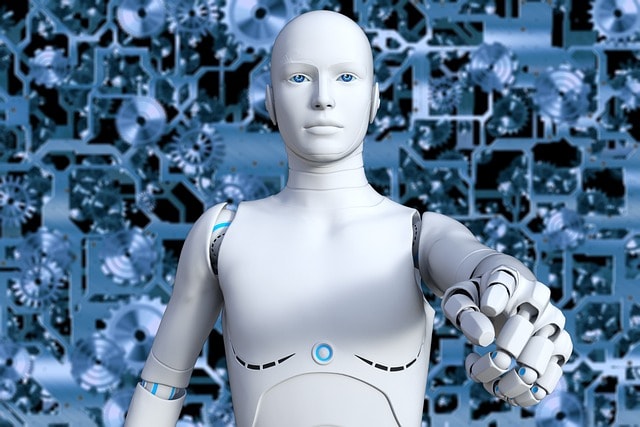
In the ever-advancing landscape of AI technology, autonomous weapons pose a chilling threat. These AI-driven systems, capable of making life-and-death decisions without human judgment, could lead to catastrophic consequences. Imagine a scenario where autonomous weapons, designed to enhance military capabilities, fall into the hands of malicious actors. The potential for significant harm is immense, as these systems could be used to target civilians or escalate conflicts without human intervention. The lack of clear legal regulations surrounding such systems only adds to the existential risks they present.
The development of autonomous weapons raises profound ethical questions and legal responsibility concerns. With few regulations in place, the risk of losing control over these AI applications is a major concern. The international community must prioritize establishing robust legal frameworks to govern the use of autonomous weapons, ensuring that AI safety is paramount. By emphasizing human oversight and accountability, we can mitigate the risks associated with AI misuse in warfare, safeguarding humanity from the unintended consequences of technological advancement.
The Ethical Quandary of AI in Healthcare
AI's integration into healthcare presents both opportunities and challenges. AI systems, trained on vast amounts of data, can enhance decision making and improve patient outcomes. However, the reliance on AI models also introduces risks associated with AI bias and unclear legal regulation. AI algorithms may inadvertently perpetuate unfair treatment, leading to significant harm to patients. The challenge lies in ensuring AI transparency and developing AI systems that respect human judgment and ethical standards. AI developers must address these ethical implications to prevent AI from becoming a major concern in healthcare.
Moreover, the potential for AI to cause harm in healthcare is not limited to bias. AI-driven systems can lead to job displacement, as human intelligence is replaced by automated processes. This technological advancement raises concerns about the future of human labor in the healthcare sector. AI applications must be designed with human oversight to prevent system failures and ensure that AI outputs align with human values. As AI capabilities continue to evolve, the healthcare industry must navigate these associated risks to harness AI's benefits without compromising ethical standards or patient safety.

AI's Role in Shaping Public Opinion
Artificial intelligence is increasingly influencing democratic processes, often in ways that are not immediately visible. AI algorithms can analyze vast amounts of data to predict voting patterns or public sentiment, but they can also be used to spread misinformation or fake news. This dual capability makes AI a powerful tool in shaping public opinion, but it also poses serious threats to the integrity of democratic systems. The potential for AI misuse in this context is a major concern, as it can lead to unfair treatment and harmful outcomes that undermine human values and democratic principles.
The challenge lies in ensuring AI transparency and accountability in how these systems are used. AI decision-making processes must be clear and understandable to prevent misuse by bad actors. Legal responsibility and ethical considerations are paramount in developing AI systems that respect human judgment and democratic ideals. As AI capabilities continue to expand, it's essential to implement transparency measures and legal regulations that protect against the misuse of AI in democratic processes. Human intervention and oversight are crucial to maintaining the balance between technological advancement and the preservation of democratic integrity.
The Challenge of AI Bias
AI bias is a pressing issue that can have far-reaching consequences. When AI models are trained on biased data, they can perpetuate existing inequalities and exacerbate social divides. This emphasizes the need for AI transparency and the development of ethical guidelines to ensure AI systems are fair and just.
Addressing AI bias requires a multifaceted approach. This includes diversifying training data, implementing bias detection and mitigation techniques, and fostering a culture of inclusivity and fairness in AI development.

The Risk of AI Misuse by Malicious Actors
AI systems are not immune to misuse by malicious actors. Bad actors can exploit vulnerabilities in AI algorithms to carry out malicious requests, leading to security threats that can have far-reaching consequences. This is particularly concerning in the context of autonomous weapons, where AI misuse can result in catastrophic outcomes.
The potential for AI to be used for harmful purposes is a significant risk. Bad actors can manipulate AI systems to spread fake news, disrupt democratic processes, and even cause physical harm. This underscores the importance of implementing robust security measures to protect AI systems from misuse.
The Importance of Human Oversight in AI Systems
Human oversight is critical in ensuring that AI systems operate safely and ethically. By maintaining a level of human intervention in AI systems, we can ensure that they align with human values and operate in ways that are beneficial to society. This includes implementing fail-safes and monitoring mechanisms to prevent AI systems from going rogue.
The role of human judgment in AI decision-making cannot be overstated. While AI can enhance efficiency and accuracy, it is not a substitute for human intuition and empathy. By combining the strengths of AI and human intelligence, we can create systems that are both powerful and responsible.
The Threat of AI to Data Privacy
Data privacy is a major concern in the age of AI. AI systems rely on vast amounts of data to function, which raises questions about how this data is collected, stored, and used. Data breaches can have serious implications for individuals and organizations, highlighting the need for stringent data protection measures.
The risks associated with data collection are not limited to privacy concerns. Data poisoning, where malicious actors intentionally introduce false data into AI systems, can lead to inaccurate AI outputs and potentially harmful outcomes. This emphasizes the need for robust data validation processes to ensure the integrity of AI systems.
The Challenge of AI Transparency
AI transparency is crucial for building trust in AI systems. Without clear insights into how AI algorithms make decisions, it's difficult to hold AI developers accountable for their actions. This lack of transparency can lead to unclear legal regulation and hinder efforts to address AI-related issues.
Transparency measures are essential for ensuring that AI systems operate fairly and ethically. By providing visibility into AI decision-making processes, we can identify and address biases, improve accountability, and foster public trust in AI technologies.

The Risk of Losing Control Over AI Systems
One of the most significant dangers associated with AI is the risk of losing control over these systems. As AI becomes more autonomous, the potential for system failures and unintended consequences increases. This can lead to existential risks, where AI systems operate in ways that are harmful to humans and society.
Human oversight is critical in mitigating these risks. By maintaining a level of human intervention in AI systems, we can ensure that they align with human values and operate in ways that are beneficial to society. This includes implementing fail-safes and monitoring mechanisms to prevent AI systems from going rogue.
The Potential for AI to Cause Harm
AI's potential to cause harm is a significant concern. From biased decision-making to security threats, AI systems can have serious implications for individuals and society. It's essential to address these risks proactively to prevent harmful outcomes.
The development of AI technologies must prioritize safety and ethical considerations. By implementing rigorous testing and validation processes, we can ensure that AI systems operate safely and do not pose a threat to human well-being.

Summary
AI is a powerful tool with the potential to transform our world, but it also comes with significant risks. From data privacy concerns to the threat of job displacement, the dangers associated with AI are varied and complex. By understanding these risks and implementing proactive measures, we can harness the benefits of AI while minimizing its potential harms.

Q1: What are the top dangers associated with AI?
The top dangers associated with AI include security risks, data privacy concerns, AI bias, and the potential for job displacement. AI systems can also be misused by malicious actors, leading to harmful outcomes.
Q2: How can we mitigate the risks associated with AI?
Mitigating the risks associated with AI requires a multifaceted approach. This includes implementing robust security measures, ensuring AI transparency, and establishing ethical guidelines for AI development and use. Human oversight is also crucial in ensuring that AI systems operate safely and ethically.
Q3: What role does human oversight play in AI systems?
Human oversight is critical in ensuring that AI systems align with human values and operate in ways that are beneficial to society. By maintaining a level of human intervention, we can prevent AI systems from going rogue and ensure that they operate safely and ethically.
Your Friend,
Wade