

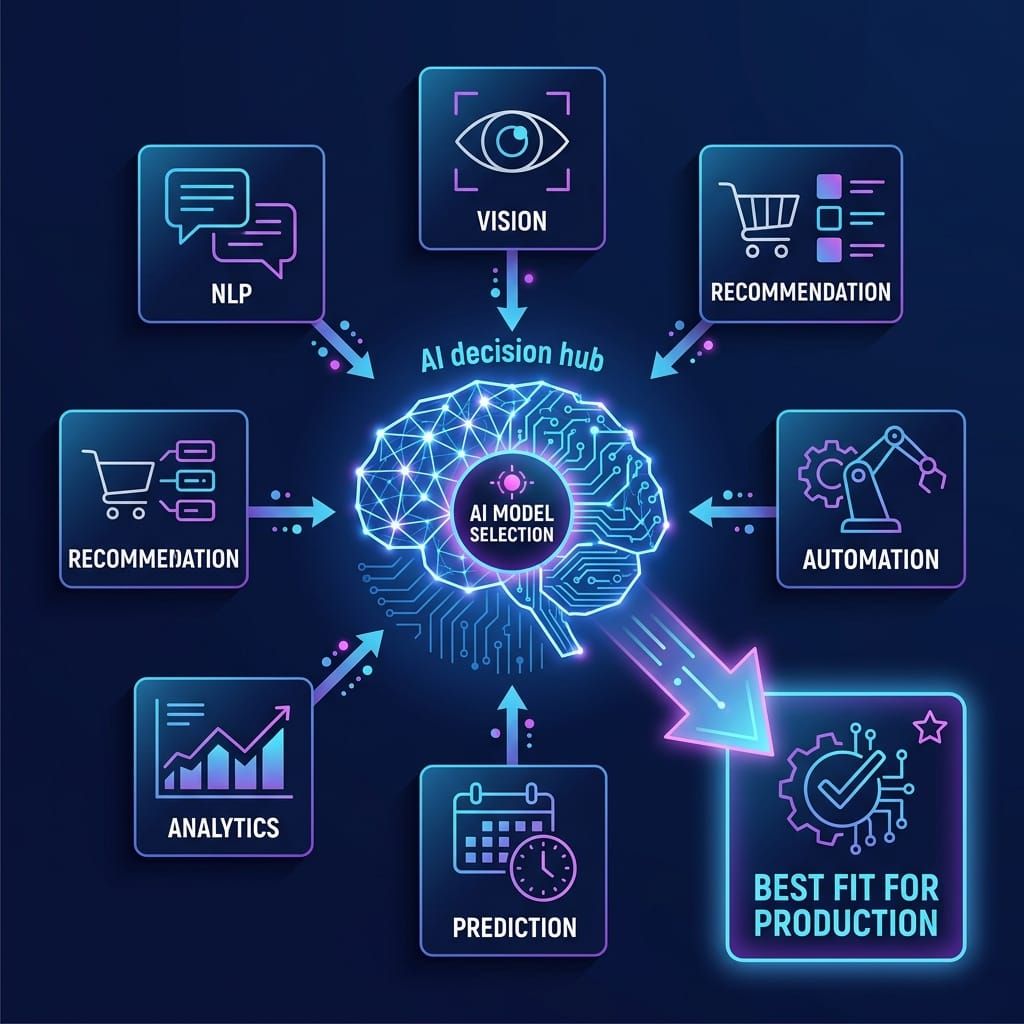



Key Takeaways:
- Different AI models excel in various production scenarios, from generative AI for content creation to machine learning for predictive analytics.
- Understanding the specific needs of your business processes is crucial for selecting the right AI tools and systems.
- Implementing AI effectively can lead to significant improvements in operational efficiency, customer satisfaction, and overall business value.
Understanding AI Models
Artificial intelligence has become a buzzword in recent years, but what does it really mean? At its core, AI refers to systems that can perform tasks that typically require human intelligence. This includes everything from understanding natural language to recognizing images. The landscape of AI is vast, with various models designed for specific applications.
When we talk about AI models, we’re diving into a world filled with algorithms and data. These models can be categorized into several types, including machine learning, generative AI, and natural language processing. Each type serves a unique purpose and can be leveraged in different production environments.
The Rise of Generative AI
Generative AI has taken the spotlight in recent years, especially with the advent of large language models. These models can generate human-like text, making them invaluable for content creation, marketing campaigns, and customer engagement. Companies are increasingly turning to generative AI tools to automate repetitive tasks and enhance their workflows.
For instance, businesses can use generative AI applications to create marketing materials or even draft reports. This not only saves time but also allows teams to focus on more strategic initiatives. The ability to generate high-quality content quickly can significantly boost productivity and creativity within organizations.
Machine Learning Models in Production
Machine learning models are another cornerstone of AI applications. These models learn from historical data to make predictions or decisions without being explicitly programmed. They are particularly useful in scenarios like predictive maintenance, where businesses can anticipate equipment failures before they occur.
For example, a manufacturing company might implement machine learning algorithms to analyze data from machinery. By identifying patterns and anomalies, they can schedule maintenance proactively, reducing downtime and operational costs. This predictive approach not only enhances efficiency but also contributes to a more streamlined production process.
AI-Powered Natural Language Processing
Natural language processing (NLP) is a subset of AI that focuses on the interaction between computers and human language. NLP models can understand, interpret, and generate human language, making them essential for applications like chatbots and customer service automation.
Consider a scenario where a financial institution uses NLP to handle customer inquiries. By integrating AI-powered systems, they can automate responses to common questions, freeing up human agents to tackle more complex issues. This not only improves customer satisfaction but also optimizes resource allocation within the organization.
Generative AI Tools for Content Creation
In the realm of content creation, generative AI tools have revolutionized how businesses approach marketing and communication. These tools can produce articles, social media posts, and even video scripts, all tailored to specific audiences and objectives.
For instance, a marketing team might use a generative AI model to create personalized email campaigns. By analyzing customer data, the AI can generate content that resonates with individual preferences, leading to higher engagement rates. This level of customization is a game-changer in the competitive landscape of digital marketing.
AI Systems for Workflow Automation
Workflow automation is another area where AI systems shine. By automating routine tasks, businesses can significantly reduce the time and effort required to complete projects. This not only enhances productivity but also minimizes the risk of human error.
Imagine a company that implements AI algorithms to manage its supply chain. By automating inventory tracking and order processing, they can streamline operations and reduce operational costs. This kind of automation allows teams to focus on strategic initiatives rather than getting bogged down in repetitive tasks.
The Role of AI in Data Analysis
Data analysis is a critical component of modern business operations, and AI plays a pivotal role in this process. AI algorithms can sift through vast amounts of data, identifying trends and insights that would be impossible for humans to uncover manually.
For example, a retail company might use AI to analyze customer purchasing behavior. By leveraging predictive analytics, they can forecast demand for specific products, allowing them to optimize inventory levels and improve customer satisfaction. This data-driven approach not only enhances decision-making but also drives measurable business value.
Integrating AI into Business Processes
Integrating AI into existing business processes can be a daunting task, but the rewards are well worth the effort. Companies must first assess their current workflows and identify areas where AI can add value. This could involve automating repetitive tasks, enhancing data analysis, or improving customer interactions.
For instance, a healthcare provider might integrate AI into their patient care processes. By using AI-powered systems to analyze patient data, they can provide more accurate diagnoses and personalized treatment plans. This not only improves patient outcomes but also streamlines operations within the healthcare facility.
The Importance of Training Data
One of the most critical aspects of AI implementation is the quality of training data. AI models learn from the data they are fed, so having accurate and relevant data is essential for achieving optimal results. Businesses must invest time and resources into curating high-quality datasets to train their AI systems effectively.
For example, a financial services firm might collect historical data on market trends to train their predictive analytics models. By ensuring that their training data is comprehensive and representative, they can improve the accuracy of their predictions and make more informed investment decisions.
AI Investments and Business Value
Investing in AI technologies can yield significant returns for businesses. By automating processes and enhancing decision-making, companies can achieve measurable business value. However, it’s essential to approach AI investments strategically, focusing on areas that align with organizational goals.
Consider a logistics company that invests in AI-powered systems for route optimization. By analyzing traffic patterns and delivery schedules, they can reduce fuel costs and improve delivery times. This not only enhances operational efficiency but also contributes to customer satisfaction and loyalty.
Real-World Examples of AI Applications
Real-world examples of AI applications abound across various industries. From healthcare to finance, businesses are leveraging AI to drive innovation and improve outcomes. These case studies provide valuable insights into how AI can be effectively implemented in different contexts.
For instance, a retail giant might use AI to analyze customer feedback and sentiment. By understanding customer preferences and pain points, they can tailor their offerings and marketing strategies accordingly. This data-driven approach not only enhances customer satisfaction but also drives sales growth.
AI Algorithms for Predictive Maintenance
Predictive maintenance is a prime example of how AI algorithms can transform production processes. By analyzing data from machinery and equipment, businesses can anticipate failures and schedule maintenance proactively. This approach minimizes downtime and reduces repair costs.
For example, an automotive manufacturer might implement AI algorithms to monitor the performance of their assembly line robots. By identifying potential issues before they escalate, they can ensure smooth operations and maintain production schedules. This proactive approach not only enhances efficiency but also contributes to overall business success.
Enhancing Customer Satisfaction with AI
Customer satisfaction is a top priority for businesses, and AI can play a crucial role in enhancing the customer experience. By leveraging AI-powered systems, companies can provide personalized interactions and timely support, leading to higher levels of customer satisfaction.
For instance, a telecommunications company might use AI chatbots to handle customer inquiries. By providing instant responses and solutions, they can improve customer satisfaction and reduce wait times. This level of responsiveness is essential in today’s fast-paced business environment.
The Future of AI in Business
As AI technology continues to evolve, its applications in business will only expand. Companies that embrace AI will be better positioned to adapt to changing market conditions and customer expectations. The future of AI in business is bright, with endless possibilities for innovation and growth.
For example, businesses may increasingly rely on AI for complex data analysis and decision-making. As AI models become more sophisticated, they will be able to provide deeper insights and recommendations, empowering organizations to make informed choices. This evolution will drive competitive advantage and foster long-term success.
Challenges in AI Implementation
While the benefits of AI are clear, implementing AI solutions is not without its challenges. Companies must navigate issues such as data privacy, integration with existing systems, and the need for skilled personnel. Addressing these challenges is crucial for successful AI adoption.
For instance, a healthcare organization may face hurdles in integrating AI into their electronic health record systems. Ensuring that patient data is secure and compliant with regulations is paramount. By proactively addressing these challenges, organizations can pave the way for successful AI implementation.
The Role of AI Agents in Business
AI agents are becoming increasingly prevalent in various business applications. These intelligent systems can perform tasks autonomously, making them valuable assets in areas such as customer service and data analysis. By leveraging AI agents, businesses can enhance efficiency and reduce the need for human intervention.
For example, a financial institution might deploy AI agents to analyze market trends and generate reports. By automating this process, they can free up analysts to focus on more strategic initiatives. This not only improves productivity but also enhances the quality of insights generated.
AI-Powered Systems for Document Analysis
Document analysis is another area where AI-powered systems excel. These systems can process and analyze large volumes of unstructured data, extracting valuable insights and information. This capability is particularly useful in industries such as finance and legal, where document management is critical.
For instance, a law firm might use AI to analyze contracts and legal documents. By automating this process, they can identify key clauses and potential risks more efficiently. This not only saves time but also enhances the accuracy of legal analysis.
The Impact of AI on Marketing Teams
Marketing teams are increasingly leveraging AI tools to enhance their strategies and campaigns. By using AI algorithms to analyze customer data, businesses can create targeted marketing initiatives that resonate with their audience. This level of personalization is essential in today’s competitive landscape.
For example, a retail brand might use AI to analyze customer purchasing behavior and preferences. By tailoring their marketing campaigns based on this data, they can improve engagement and drive sales. This data-driven approach is a game-changer for marketing teams looking to maximize their impact.
AI Applications in Financial Services
The financial services industry is one of the most prominent sectors leveraging AI applications. From fraud detection to risk assessment, AI is transforming how financial institutions operate. By harnessing the power of AI, these organizations can enhance efficiency and improve customer experiences.
For instance, a bank might use AI algorithms to analyze transaction data for signs of fraudulent activity. By automating this process, they can detect and respond to potential threats more quickly. This proactive approach not only protects customers but also enhances the bank’s reputation.
AI in Supply Chain Management
Supply chain management is another area where AI is making waves. By leveraging AI tools, businesses can optimize their supply chain processes, reducing costs and improving efficiency. This is particularly important in today’s fast-paced market, where agility is key.
For example, a logistics company might use AI to analyze shipping routes and delivery schedules. By optimizing these processes, they can reduce fuel consumption and improve delivery times. This level of efficiency is essential for maintaining a competitive edge in the supply chain industry.
The Importance of Human Judgment in AI
While AI offers numerous benefits, it’s essential to recognize the importance of human judgment in the decision-making process. AI systems can provide valuable insights, but human intervention is often necessary to interpret and act on these insights effectively.
For instance, a healthcare provider might use AI to analyze patient data and generate treatment recommendations. However, it’s ultimately up to the medical professionals to evaluate these recommendations and make informed decisions. This collaboration between AI and human expertise is crucial for achieving optimal outcomes.
The Future of AI Investments
As AI technology continues to advance, businesses must be strategic in their investments. Focusing on areas that align with organizational goals and objectives is essential for maximizing the return on investment. This requires a thorough understanding of the potential applications and benefits of AI.
For example, a manufacturing company might invest in AI-powered systems for quality control. By automating this process, they can reduce defects and improve product quality. This investment not only enhances operational efficiency but also contributes to customer satisfaction and loyalty.
AI for Analyzing Historical Data
Analyzing historical data is a critical component of many business processes, and AI can significantly enhance this capability. By leveraging AI algorithms, organizations can uncover trends and insights that inform decision-making and strategy development.
For instance, a retail company might use AI to analyze historical sales data. By identifying patterns and seasonality, they can optimize inventory levels and marketing strategies. This data-driven approach not only improves operational efficiency but also drives sales growth.
The Role of AI in Patient Care
In the healthcare sector, AI is playing an increasingly important role in patient care. By leveraging AI-powered systems, healthcare providers can enhance diagnostics, treatment planning, and patient monitoring. This not only improves patient outcomes but also streamlines operations within healthcare facilities.
For example, a hospital might use AI to analyze patient data and identify potential health risks. By proactively addressing these risks, they can provide more personalized care and improve patient satisfaction. This level of precision is essential in today’s healthcare landscape.
AI for Marketing Campaigns
Marketing campaigns are another area where AI can make a significant impact. By leveraging AI tools, businesses can create targeted campaigns that resonate with their audience. This level of personalization is essential for driving engagement and conversions.
For instance, a travel company might use AI to analyze customer preferences and behaviors. By tailoring their marketing campaigns based on this data, they can improve engagement and drive bookings. This data-driven approach is a game-changer for marketing teams looking to maximize their impact.
The Role of AI in Quality Control
Quality control is a critical aspect of production processes, and AI can enhance this capability significantly. By leveraging AI algorithms, businesses can automate quality checks and identify defects more efficiently. This not only improves product quality but also reduces waste and operational costs.
For example, a manufacturing company might use AI to analyze data from production lines. By identifying patterns and anomalies, they can address quality issues proactively. This level of precision is essential for maintaining high standards in production.
AI for Analyzing Unstructured Data
Unstructured data is a common challenge for businesses, but AI can help organizations analyze this data more effectively. By leveraging AI-powered systems, companies can extract valuable insights from unstructured data sources, such as social media and customer feedback.
For instance, a brand might use AI to analyze customer reviews and sentiment. By understanding customer preferences and pain points, they can tailor their offerings and marketing strategies accordingly. This data-driven approach not only enhances customer satisfaction but also drives sales growth.
The Importance of AI in Business Automation
Business automation is a key driver of efficiency, and AI plays a crucial role in this process. By automating routine tasks, organizations can free up resources and focus on more strategic initiatives. This not only enhances productivity but also minimizes the risk of human error.
For example, a financial institution might use AI to automate account management processes. By streamlining these tasks, they can improve efficiency and reduce operational costs. This level of automation is essential for maintaining a competitive edge in the financial services industry.
The Future of AI in Production Processes
As AI technology continues to evolve, its applications in production processes will only expand. Companies that embrace AI will be better positioned to adapt to changing market conditions and customer expectations. The future of AI in production is bright, with endless possibilities for innovation and growth.
For instance, businesses may increasingly rely on AI for complex data analysis and decision-making. As AI models become more sophisticated, they will be able to provide deeper insights and recommendations, empowering organizations to make informed choices. This evolution will drive competitive advantage and foster long-term success.

In the ever-changing landscape of artificial intelligence, selecting the right AI model for specific production use cases is crucial for maximizing business value. From generative AI tools for content creation to machine learning models for predictive maintenance, the options are vast and varied. Understanding the unique needs of your business processes and leveraging the appropriate AI systems can lead to significant improvements in efficiency, customer satisfaction, and overall operational effectiveness.
As organizations continue to explore the potential of AI, it’s essential to invest in high-quality training data, address implementation challenges, and recognize the importance of human judgment in the decision-making process. By doing so, businesses can harness the power of AI to drive innovation and achieve measurable success in their respective industries.

Q1: What are the best AI models for content creation?
A1: Generative AI models, particularly large language models, are excellent for content creation. They can generate human-like text for marketing materials, articles, and social media posts, enhancing productivity and creativity.
Q2: How can AI improve customer satisfaction?
A2: AI can enhance customer satisfaction by automating responses to inquiries, providing personalized interactions, and analyzing customer feedback to tailor offerings. This level of responsiveness is crucial in today’s fast-paced business environment.
Q3: What challenges do businesses face when implementing AI?
A3: Businesses often face challenges such as data privacy concerns, integration with existing systems, and the need for skilled personnel. Addressing these challenges is essential for successful AI adoption and maximizing its benefits.