





Key Takeaways:
- AI tools can streamline your writing process, boosting efficiency in everyday life by handling tedious tasks and freeing you to focus on creativity.
- Embracing artificial intelligence in your daily life can save time and enhance your productivity, but only you can ensure your unique voice is preserved.
- By integrating AI into your workflow, you can generate new ideas and first drafts, making the writing process more enjoyable while maintaining your distinct perspective.
Understanding AI in Content Creation
Artificial intelligence has become a game-changer in the writing world. Imagine having a friend who can help you brainstorm ideas, edit your drafts, and even suggest improvements—all while you maintain your unique voice. This is the promise of AI tools in content creation. They can take on the heavy lifting of tedious tasks, allowing you to focus on what truly matters: your creativity.
In our everyday lives, we often find ourselves bogged down by the minutiae of writing. Whether it’s crafting the perfect introduction, handling small bits of writing, or jotting down a quick note of inspiration, these tasks can sap our energy and enthusiasm. AI tools are designed to streamline even these small bits of work, enabling you to channel your creative muscles into producing engaging content.
The Balance Between AI and Authenticity
One of the biggest concerns about using AI in writing is the fear of losing authenticity. After all, your voice is what makes your content resonate with readers. The goal is not to replace your voice, but to ensure your content still sounds human and authentic. The right AI tools can enhance your writing without overshadowing your unique style. Think of AI as a supportive partner in your creative journey, helping you refine your ideas while still allowing your personality and humanity to shine through.
For instance, AI can assist in generating first drafts, which you can then personalize and edit to reflect your tone. While AI can mimic the sound of your voice, it cannot replace the humanity and emotional resonance that matter most in authentic storytelling. This way, you’re not replacing your voice; you’re amplifying it. The key is to use AI as a tool that complements your creativity rather than a crutch that diminishes it, ensuring that what truly matters—your unique human input and values—remains at the heart of your content.
How AI Tools Can Save You Time
In a world where time is of the essence, AI tools can be your best ally. They can help you save hours that would otherwise be spent on repetitive tasks, while also increasing the speed and efficiency of your writing process. For example, if you’re writing an article, AI can quickly generate outlines, suggest relevant keywords, and even provide research insights. This allows you to focus on crafting your narrative rather than getting lost in the details.
Imagine spending less time on the nitty-gritty and more time on the big picture. By automating tedious tasks, you can dedicate your energy to brainstorming new ideas and refining your message. This shift not only boosts your productivity but also makes the writing process more enjoyable. Additionally, AI can automate transcriptions and summaries, allowing you to stay focused and engaged during meetings.
Generating New Ideas with AI
Sometimes, the hardest part of writing is coming up with fresh ideas. AI can help you overcome this hurdle by providing inspiration and suggestions tailored to your interests. By stimulating your thinking and helping you clarify the point you want to make, AI tools can guide you toward a clear purpose or perspective for your content. By analyzing trends and popular topics, AI tools can generate a list of potential subjects for your next article, sparking your creativity and helping you think outside the box.
For example, if you’re a travel blogger, an AI tool might suggest trending destinations or unique travel experiences based on current market data. Providing specific examples and crafting detailed prompts for the AI—such as specifying the tone or structure you want—can lead to more relevant and creative suggestions. This not only saves you time but also ensures that your content remains relevant and engaging for your audience.
Enhancing Your Writing Process
The writing process can often feel like a solitary endeavor, but it doesn’t have to be. AI tools can facilitate collaboration and feedback, making the process more interactive. For instance, you can engage AI to review your drafts for stylistic consistency, ensuring your unique voice is preserved throughout. You can also use AI to analyze your writing style and receive suggestions for improvement. This feedback can help you refine your tone and ensure that your message resonates with your audience.
Moreover, AI can analyze previous drafts to identify key stylistic markers and help maintain your unique tone. It can also assist in editing your articles, catching grammatical errors and suggesting better word choices. This means you can spend less time worrying about the technical aspects of writing and more time focusing on your narrative. The result? A polished piece that reflects your voice and engages your readers.
Maintaining Your Unique Voice
As you integrate AI into your writing process, it’s crucial to maintain your unique voice. This is where the human touch comes into play. While AI can provide suggestions and edits, it’s your perspective and experiences that make your content truly special. Remember, it's your job to ensure your content reflects your own life and values. Embrace the technology, but don’t let it overshadow your individuality.
To ensure your voice remains intact, consider using AI as a brainstorming partner rather than a replacement. For example, you might use AI to generate a list of potential topics, but the final decision should come from your personal interests and insights. This way, you’re leveraging technology while still staying true to yourself. For high-stakes or emotionally sensitive communications, only a human touch will suffice.
The Role of Feedback in the Writing Process
Feedback is an essential part of the writing process, and AI can play a significant role in this area. By using AI tools to analyze reader engagement and preferences, you can gain valuable insights into what resonates with your audience. This data can inform your writing and help you create content that truly connects with readers.
Additionally, AI can assist in gathering feedback on your drafts. By analyzing reader comments and engagement metrics, you can identify areas for improvement and refine your writing accordingly. Putting effort into an iterative feedback process with AI—refining your work section by section rather than generating large blocks of content—ensures your voice remains authentic and your content improves with each revision.
As a best practice, consider the "Human-in-the-Loop" model: start with your own ideas, use AI for drafting, and always finish with a final human review to maintain your unique voice.
Overcoming Writer’s Block with AI
Writer’s block can be a frustrating experience, but AI can help you break through those barriers. Sometimes, you might find yourself wondering if the AI-generated content truly reflects your intentions. When you’re feeling stuck, AI tools can provide prompts, suggestions, and even complete sentences to get your creative juices flowing. This can be especially helpful when you’re facing a tight deadline and need to produce content quickly.
For instance, if you’re struggling to start an article, there can be a moment when inspiration hits, and AI can help you capture it. An AI tool might suggest a compelling opening line or a thought-provoking question to kick off your writing. By providing that initial spark, AI can help you overcome the inertia and get back to creating.
To ensure your content still sounds authentic, try the "Read Aloud" Test—reading your work out loud can help you determine if the AI output truly matches your voice.
The Future of AI in Writing
As technology continues to advance, the role of AI in writing will only grow. We can expect to see even more sophisticated tools that can analyze writing styles, predict trends, and provide personalized suggestions. This evolution will further enhance our ability to create engaging content while maintaining our unique voices.
It’s important to talk openly about both the opportunities and challenges that AI brings to writing. Honest conversations help foster understanding and healthy debate as we navigate this evolving landscape.
However, it’s essential to approach these advancements with a critical eye. While AI can offer valuable support, it’s crucial to remember that the heart of writing lies in human experience and emotion. As we embrace these tools, we must also remain vigilant in preserving the authenticity that makes our writing resonate.
Writers should also be cautious of broad, unsubstantiated claims in AI-generated content and replace them with specific data to ensure credibility and accuracy.
Practical Examples of AI in Action
Let’s take a look at some practical examples of how AI can boost productivity without compromising your voice. Many writers use AI tools like Grammarly or Hemingway to enhance their writing. These tools provide real-time feedback on grammar, style, and readability, allowing writers to produce polished content efficiently. However, using your own words and sharing personal stories ensures your writing remains authentic and emotionally resonant.
Another example is using AI for content ideation. Platforms like BuzzSumo analyze trending topics and audience engagement, helping writers identify what resonates with their readers. By leveraging these insights, writers can create content that is not only timely but also aligned with their unique perspectives and rooted in genuine stories. To maintain a conversational essence, consider using voice dictation instead of typing.
Embracing AI in Your Daily Life
Integrating AI into your daily life doesn’t have to be overwhelming. Start small by incorporating one or two tools into your writing process. Experiment with different applications to find what works best for you. As you become more comfortable with these technologies, you’ll discover new ways to enhance your productivity and creativity.
However, don’t just accept every AI suggestion blindly—use your brain to critically evaluate and refine what AI generates. This ensures your unique perspective remains central to your work.
Remember, the goal is to use AI as a supportive tool rather than a replacement. By embracing this technology, you can streamline your writing process and focus on what you do best: creating compelling content that reflects your voice.
We’d love to hear how AI is impacting your writing—share your experiences and insights in the comments below!
The Importance of Personal Touch
While AI can assist in various aspects of writing, the personal touch remains irreplaceable. Caring deeply about your work and engaging in reflective thinking ensures your content stays authentic and true to your voice. Your experiences, emotions, and insights are what make your content relatable and engaging. As you incorporate AI into your workflow, be sure to infuse your personality into your writing.
For example, when using AI to generate ideas, start with a personal note or initial idea—such as a rough sentence or title—to keep your writing grounded in your own experience. Take the time to reflect on your own experiences and perspectives, using AI to enhance your thinking and stimulate deeper reflection. This will ensure that your content remains authentic and resonates with your audience. The combination of AI support and your unique voice can lead to truly remarkable results.
Finding the Right AI Tools for You
With so many AI tools available, it’s essential to find the ones that align with your needs and preferences. Even improving just a bit of your workflow can increase your speed and make a big difference in your productivity. Take the time to explore different options and read reviews to determine which tools will best enhance your writing process. Whether you’re looking for grammar checkers, content generators, or idea brainstorming tools, there’s likely an AI solution that fits your requirements.
As you experiment with various tools, remember that what matters most is finding tools that align with your personal needs and values. Pay attention to how they impact your writing. Are they helping you save time? Are they enhancing your creativity? By evaluating the effectiveness of these tools, you can make informed decisions about which ones to incorporate into your daily routine.
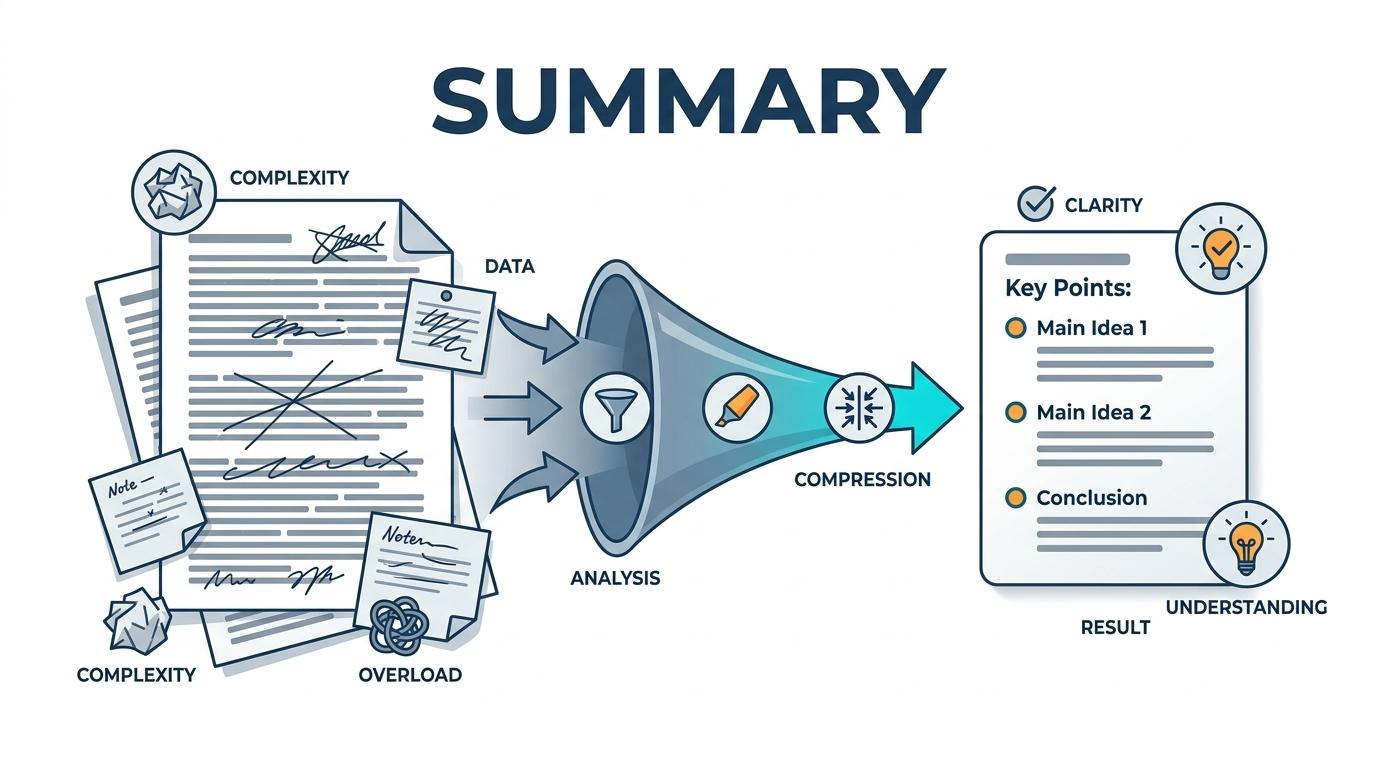
AI tools have the potential to revolutionize the writing process, allowing you to boost your productivity without losing your unique voice. By automating tedious tasks and providing valuable feedback, these technologies can help you focus on what truly matters: your creativity. Embrace AI as a supportive partner in your writing journey, and watch as your productivity soars while your authenticity shines through. We hope you feel empowered to use AI while maintaining your unique voice.
Your Friend,
Wade
Q1: Can AI tools really help me maintain my unique voice while writing?Absolutely! AI tools can help by generating a draft, giving you a solid starting point. However, putting in your own edits and personal touches ensures your voice is preserved. Use AI as a brainstorming partner rather than a replacement for your voice.
Q2: How can I start integrating AI into my writing process?Begin by exploring a few AI tools that align with your needs, such as grammar checkers or content ideation platforms. Experiment with them to see how they can enhance your productivity and creativity.
Q3: Will using AI make me less creative?Not at all! AI is designed to support your creativity by handling tedious tasks and providing inspiration. By freeing up your time, you can focus on generating new ideas and refining your unique voice.