

How Fast Is AI Evolving and What’s Next?
How quickly ai capabilities have scaled: Model parameters grew from GPT-2’s 1.5 billion (2019) to trillion-parameter-class architectures by 2025
Artificial Intelligence
How quickly ai capabilities have scaled: Model parameters grew from GPT-2’s 1.5 billion (2019) to trillion-parameter-class architectures by 2025
Understanding baked-in AI is crucial for safeguarding your personal information and online activities. Changing settings is essential—disable smart features in Gmail by unchecking the "Smart features and personalization" box to limit data collection.
Spotting the Signs: Look for visual inconsistencies, unnatural mouth movements, and odd audio patterns. Use Technology: Leverage AI tools and reverse search methods to verify the authenticity of media.
AI technologies, particularly machine learning, are revolutionizing the way we interpret ancient texts and inscriptions. Projects like Aeneas are enabling researchers to fill in gaps in historical documents, shedding light on lost languages and ancient civilizations.
Human creativity and judgment are irreplaceable assets that enhance AI capabilities. Leveraging AI tools effectively requires a strategic approach that prioritizes human involvement.
The AI landscape is evolving rapidly, with platforms catering to various business sizes and use cases. From generative AI to predictive analytics, the best AI tools are designed to simplify complex tasks for both technical and non-technical users.
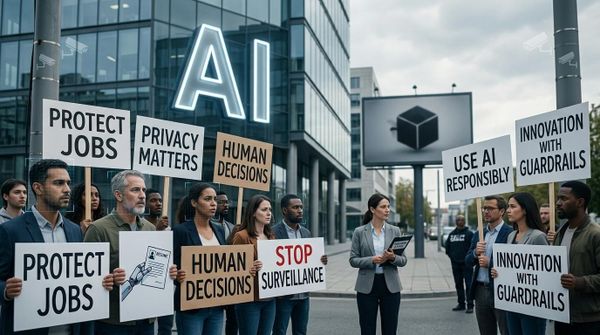
Introduction to AI Layoffs The headlines are everywhere: “AI takes your job!” “Robots replace workers!” But behind the buzz, the reality is more complicated. In 2025 alone, over 50,000 workers found themselves out of a job, with companies citing artificial intelligence as the culprit. This wave of AI-related layoffs...
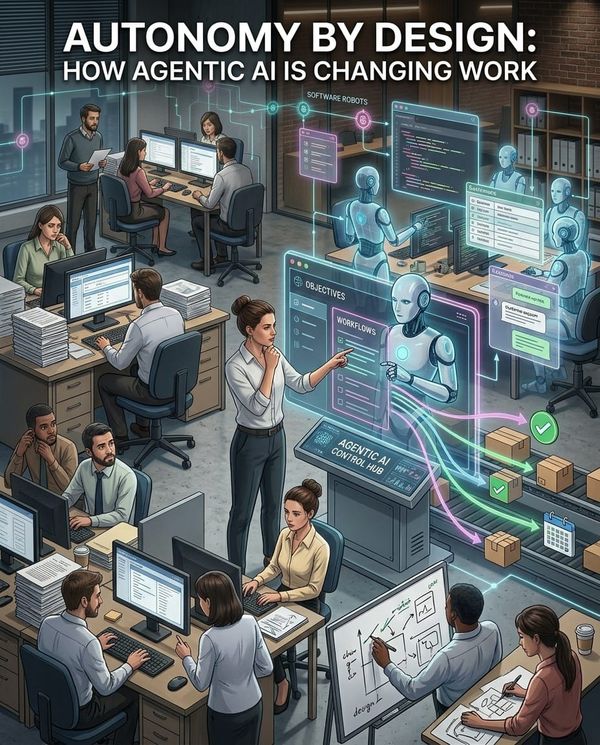
The balance between human oversight and AI autonomy is crucial for ensuring responsible AI development and deployment. Effective governance frameworks and feedback loops are essential to maintain accountability and transparency in AI systems.
Deepfakes are blurring the lines between reality and fabrication, posing serious challenges for the legal system. Courts must adapt their evidentiary standards to address the growing threat of AI-generated evidence.